

How to Prevent Pipeline Blockages in Pneumatic Conveying Systems for Light Calcium Powder? Key Desig
When it comes to transporting light calcium powder, the choice of a pneumatic conveying system is often critical for efficiency and reliability. However, one of the major challenges in such operations is the risk of pipeline blockages, which can halt production and lead to costly downtime. Understanding how to prevent these blockages and the key design parameters that influence system performance is essential for operators in the industry. This article explores effective strategies and design considerations to ensure smooth and uninterrupted material transport in light calcium powder applications.
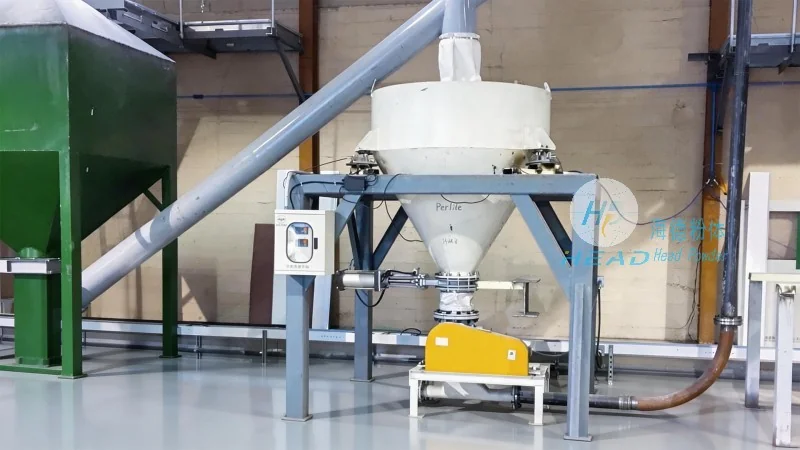
About HeadPowder: Experts in Pneumatic Conveying Solutions
HeadPowder, a leading provider of pneumatic conveying systems, has extensive experience in designing and implementing solutions tailored to the unique challenges of light calcium powder handling. With a strong focus on preventing pipeline blockages and optimizing material flow, the company’s engineering team leverages advanced technology and industry expertise to deliver reliable systems. HeadPowder is headquartered in Shandong, China, and serves clients globally with customized solutions that meet specific operational requirements.
Strategies to Prevent Pipeline Blockages in Light Calcium Powder Conveying
Preventing pipeline blockages in pneumatic conveying systems for light calcium powder involves a combination of system design, material handling practices, and operational controls. One of the primary factors is the selection of appropriate air velocity and pressure. Maintaining a consistent and sufficient air velocity ensures that the powder particles are adequately suspended and transported without settling or agglomerating. Additionally, the use of appropriate pipe diameters and smooth internal surfaces reduces friction and the likelihood of particle accumulation. Regular maintenance, including cleaning and inspection of the pipeline, is also crucial to prevent the buildup of material over time.
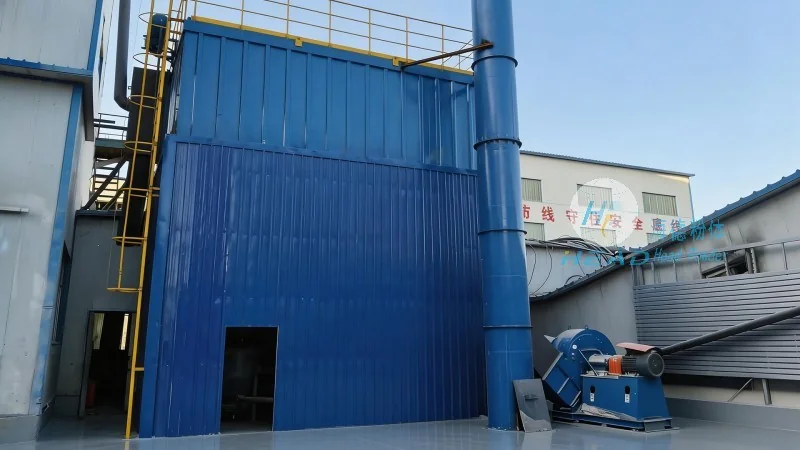
Key Design Parameters for Effective Light Calcium Powder Pneumatic Conveying
The success of a pneumatic conveying system for light calcium powder hinges on several critical design parameters. The first is the air-to-material ratio, which determines the amount of air required to transport the powder. An optimal ratio ensures efficient transport while minimizing energy consumption. The second parameter is the system's pressure and flow rate capabilities. Higher pressure systems are suitable for longer distances or more challenging material properties, while lower pressure systems are ideal for shorter runs or less abrasive materials. The third key parameter is the choice of pipeline material and diameter. Stainless steel or other corrosion-resistant materials are preferred to prevent material degradation and blockage caused by pipe wear. The diameter of the pipeline must be sized appropriately to handle the bulk density and flow rate of the light calcium powder, ensuring that the air velocity remains within the optimal range to prevent settling.
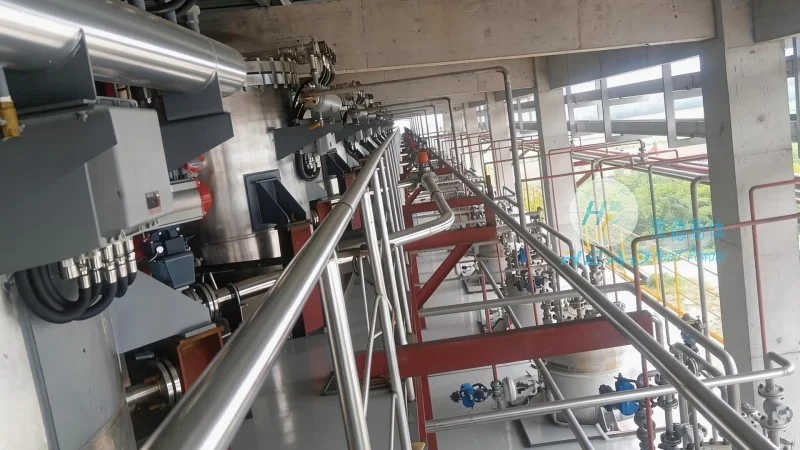
System Configuration and Optimization for Smooth Material Transport
Optimizing the pneumatic conveying system for light calcium powder involves careful consideration of the entire system layout. This includes the placement of feeders, silos, and discharge points to minimize material flow restrictions and ensure uniform distribution. The use of appropriate airlocks and rotary valves at the inlet and outlet of the system helps to control the flow rate and prevent backflow, which can lead to blockages. Additionally, the incorporation of cleaning mechanisms, such as pulse jets or manual cleaning ports, allows for regular maintenance and removal of any accumulated material. By integrating these components and adhering to the key design parameters, operators can achieve consistent and reliable performance, reducing the risk of downtime and improving overall operational efficiency.
Conclusion and HeadPowder's Commitment to Reliable Conveying Solutions
Preventing pipeline blockages and ensuring efficient operation in pneumatic conveying systems for light calcium powder requires a comprehensive approach that addresses both system design and operational practices. By focusing on key parameters such as air velocity, pressure, pipe diameter, and material handling techniques, operators can minimize the risk of blockages and maximize system performance. HeadPowder, with its expertise and commitment to quality, provides tailored solutions that meet the specific needs of light calcium powder applications. Based in Shandong, China, the company continues to innovate and deliver reliable pneumatic conveying systems that help clients maintain smooth operations and achieve their production goals.