

How to Prevent Pipeline Blockages in Potato Starch Conveying with Pneumatic Conveying Systems? Key D
When it comes to transporting potato starch efficiently and reliably, pneumatic conveying systems offer a robust solution. However, one of the primary challenges in such operations is the risk of pipeline blockages, which can disrupt production and increase maintenance costs. Understanding and implementing the right design parameters is crucial to mitigate these risks and ensure smooth operation.
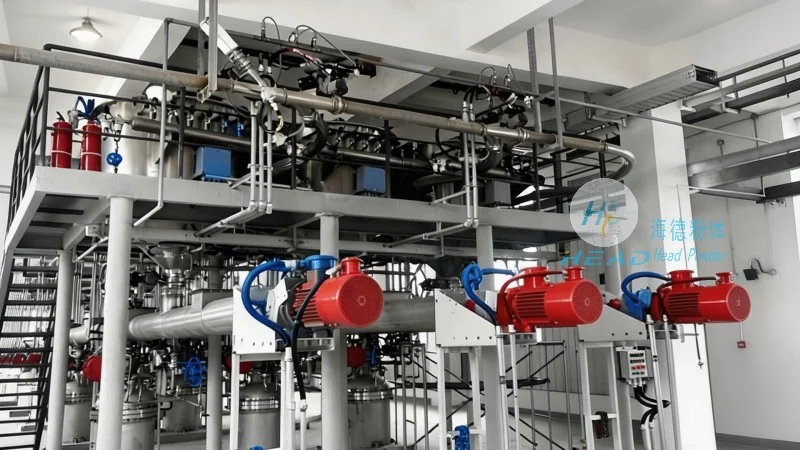
Key Design Parameters for Preventing Blockages in Potato Starch Conveying
Several critical design parameters must be considered when designing a pneumatic conveying system for potato starch. These parameters directly influence the system's ability to handle the material's characteristics and prevent blockages. The first parameter is the air velocity, which needs to be optimized to maintain the material in suspension without causing excessive wear on the system components. For potato starch, a typical air velocity range of 20-30 m/s is often recommended to ensure the material remains fluidized and prevents settling in the pipeline.
Another essential parameter is the pipeline diameter. The diameter must be appropriately sized to accommodate the flow rate and prevent the material from settling due to low velocity. A larger diameter reduces the risk of blockages by allowing the material to move smoothly without the risk of agglomeration. Typically, for potato starch conveying, a pipeline diameter of at least 100 mm is recommended for most applications.
The material's moisture content is also a critical factor. Potato starch can be hygroscopic, and higher moisture levels can lead to clumping and blockages. Therefore, controlling the moisture content of the starch before it enters the conveying system is vital. Additionally, the system should be designed with features that prevent moisture accumulation, such as proper insulation and drainage.
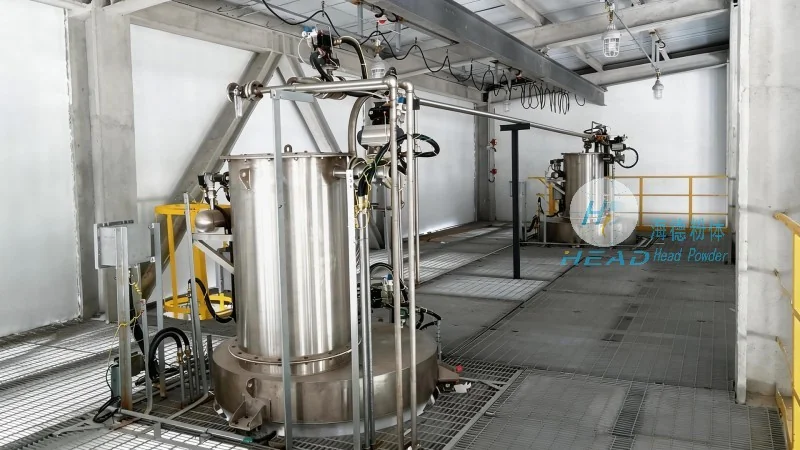
System pressure and flow rate are also important design considerations. Maintaining an appropriate pressure level ensures that the material is propelled efficiently through the pipeline. Excessive pressure can cause wear and tear on components, while insufficient pressure may lead to blockages due to insufficient air movement. The flow rate must be matched to the material's characteristics and the system's capacity to prevent overloading.
Role of HeadPowder in Designing Effective Pneumatic Conveying Solutions
Shandong HeadPowder Engineering Co., Ltd., a leading provider of pneumatic conveying systems, specializes in designing and manufacturing solutions tailored to the unique needs of potato starch handling. With years of experience in the industry, HeadPowder understands the challenges associated with conveying fine powders like potato starch and has developed innovative designs that minimize the risk of blockages.
HeadPowder's expertise lies in optimizing the key design parameters mentioned above. The company works closely with clients to assess their specific requirements, including the volume of starch to be conveyed, the distance of transport, and the existing infrastructure. Based on this assessment, HeadPowder engineers design systems that incorporate the optimal air velocity, pipeline diameter, and pressure levels to ensure efficient and reliable operation.
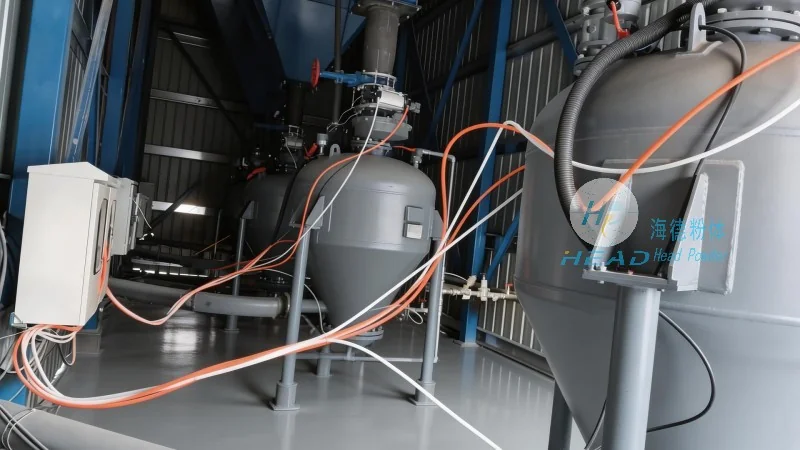
One of the key advantages of HeadPowder's systems is the use of advanced materials and components that are resistant to the abrasive nature of potato starch. The company utilizes high-quality stainless steel and other corrosion-resistant materials to ensure the longevity of the system and prevent wear and tear that could lead to blockages. Additionally, HeadPowder's systems are equipped with features such as in-line mixers and agitators that help maintain the material's flowability and prevent agglomeration.
HeadPowder also emphasizes the importance of regular maintenance and monitoring to prevent blockages. The company provides comprehensive maintenance services and offers monitoring systems that allow operators to track the system's performance in real-time. This proactive approach helps identify potential issues before they escalate into blockages, ensuring continuous operation and minimizing downtime.
Conclusion: Ensuring Smooth and Reliable Potato Starch Conveying
Preventing pipeline blockages in potato starch conveying is a multifaceted challenge that requires careful consideration of several design parameters. By optimizing air velocity, pipeline diameter, moisture content, and system pressure, operators can significantly reduce the risk of blockages and ensure the smooth operation of their pneumatic conveying systems. Shandong HeadPowder Engineering Co., Ltd. plays a crucial role in this process by providing expert design and manufacturing services tailored to the specific needs of potato starch handling. With their focus on quality, innovation, and customer satisfaction, HeadPowder helps clients achieve efficient and reliable conveying of potato starch, minimizing downtime and maximizing productivity.