

Preventing Pipeline Blockages in Pneumatic Conveying of Water-Containing Powders: Key Design Paramet
When it comes to transporting water-containing powders via pneumatic conveying systems, preventing pipeline blockages is a critical challenge that can significantly impact operational efficiency and system reliability. The design of such systems requires careful consideration of several key parameters to ensure smooth material flow and minimize the risk of clogging. This article explores effective strategies to prevent blockages and highlights the essential design parameters that contribute to the successful operation of pneumatic conveying systems for water-embedded powders.
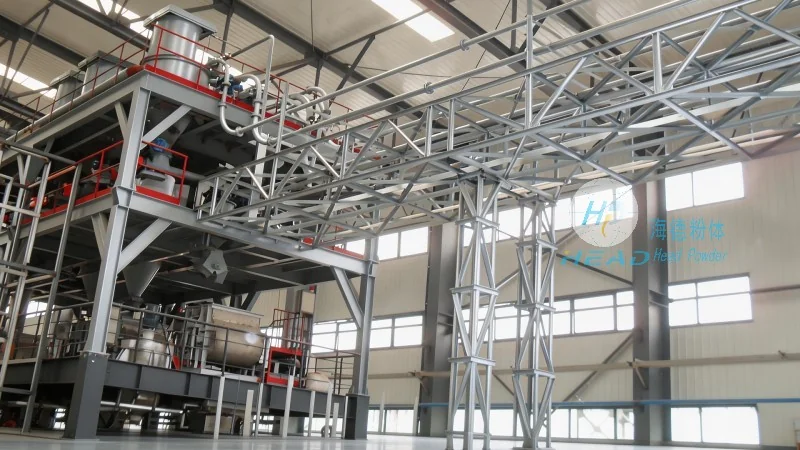
Understanding the Challenges of Water-Containing Powder Conveyance
Water-containing powders, often encountered in industries such as food processing, pharmaceuticals, and chemical manufacturing, present unique challenges during pneumatic transport. The presence of moisture can lead to agglomeration, increased material viscosity, and reduced flowability, all of which contribute to pipeline blockages. These blockages not only disrupt production schedules but also increase maintenance costs and potential safety hazards. Therefore, understanding the inherent properties of the material and the system's operational dynamics is the first step toward designing an effective solution.
Key Design Parameters for Preventing Blockages
Several critical design parameters must be optimized to prevent blockages in pneumatic conveying systems for water-containing powders. These parameters include:
1. Air Velocity and Flow Rate: Maintaining an appropriate air velocity is crucial. Insufficient air velocity can cause the material to settle and form deposits, while excessively high velocity may lead to excessive pressure drops and wear on system components. The optimal air velocity is typically determined based on the material's bulk density, particle size distribution, and moisture content. For water-containing powders, a higher air velocity may be required to overcome the increased resistance caused by moisture.
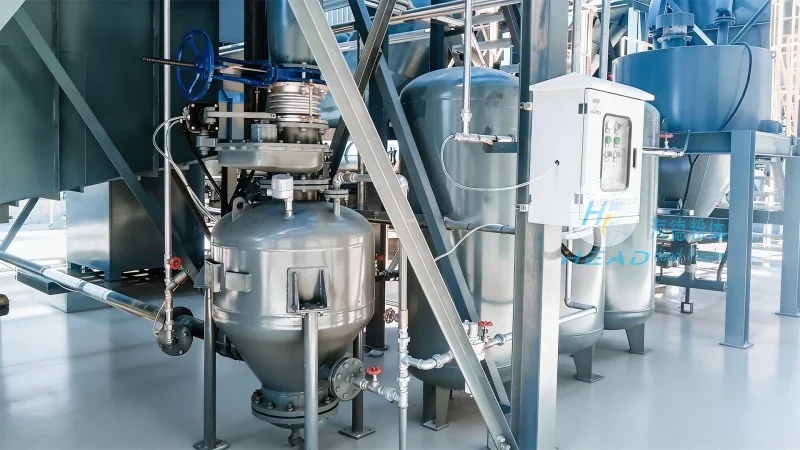
2. System Pressure and Pressure Drop: The pressure within the conveying system and the pressure drop across the pipeline are vital factors. Proper pressure management ensures that the material is adequately suspended and transported without causing excessive stress on the pipeline. Monitoring and controlling pressure drop is essential to prevent the formation of stagnant zones where material can accumulate and block the pipeline. The design should incorporate pressure relief valves and flow meters to maintain stable pressure conditions.
3. Pipeline Sizing and Material of Construction: The diameter and length of the pipeline, as well as the material used for construction, play a significant role in preventing blockages. Larger diameter pipelines reduce the risk of material accumulation and allow for smoother flow. Additionally, selecting materials that are resistant to corrosion and abrasion, such as stainless steel or special alloys, is important, especially when dealing with moisture-rich powders that can cause chemical reactions or wear over time.
4. Solids Loading Ratio: The ratio of solid material to air flow is a key parameter that affects system performance. An optimal solids loading ratio ensures that the material is effectively conveyed without causing excessive pressure drops or blockages. For water-containing powders, a lower solids loading ratio may be necessary to maintain a stable flow and prevent agglomeration. The ratio should be determined through pilot testing and adjusted based on the specific material characteristics and system design.
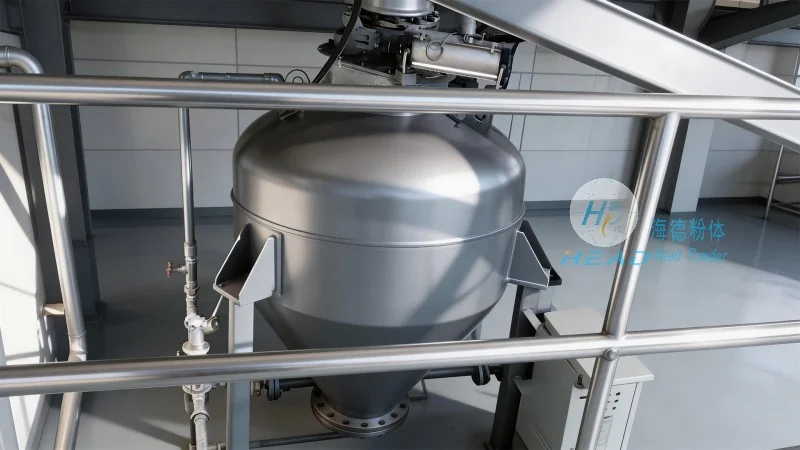
5. Inlet and Outlet Design: The design of the inlet and outlet points of the conveying system can significantly impact flow characteristics. Properly designed inlets help to introduce the material into the pipeline at a controlled rate, preventing sudden surges that could lead to blockages. Similarly, well-designed outlets ensure that the material is discharged smoothly without causing backflow or accumulation at the discharge point. Features such as venturi mixers or rotary valves can be incorporated to enhance the mixing of air and material and improve flow uniformity.
Strategies for Preventing Blockages in Practice
Implementing the above design parameters effectively requires a systematic approach. Regular maintenance and monitoring of the system are essential to detect early signs of blockage or pressure changes. Additionally, incorporating cleaning mechanisms, such as purge lines or back-pulse systems, can help to clear any minor blockages and maintain system performance. The use of inline sensors to monitor flow rates and pressure can provide real-time data for proactive adjustments, ensuring that the system operates within optimal parameters.
Conclusion
Preventing pipeline blockages in pneumatic conveying systems for water-containing powders is a multifaceted challenge that requires careful consideration of various design parameters. By optimizing air velocity, system pressure, pipeline design, solids loading ratio, and inlet/outlet configurations, operators can significantly reduce the risk of blockages and improve the overall efficiency and reliability of their conveying systems. The expertise of companies like Shandong HeadPowder Engineering Co., Ltd. in designing and implementing such systems ensures that clients receive tailored solutions that address their specific material and operational needs.