

Preventing Pipeline Blockages in Pneumatic Conveying of Fly Ash: Key Design Parameters
When it comes to transporting pulverized fly ash using pneumatic conveying systems, preventing pipeline blockages is a critical concern for efficiency and operational reliability. The success of such systems hinges on careful consideration of several key design parameters that directly impact the flow characteristics and overall performance of the conveying process. This article explores the essential design considerations for mitigating blockages in fly ash transportation, with a focus on practical solutions and industry best practices.
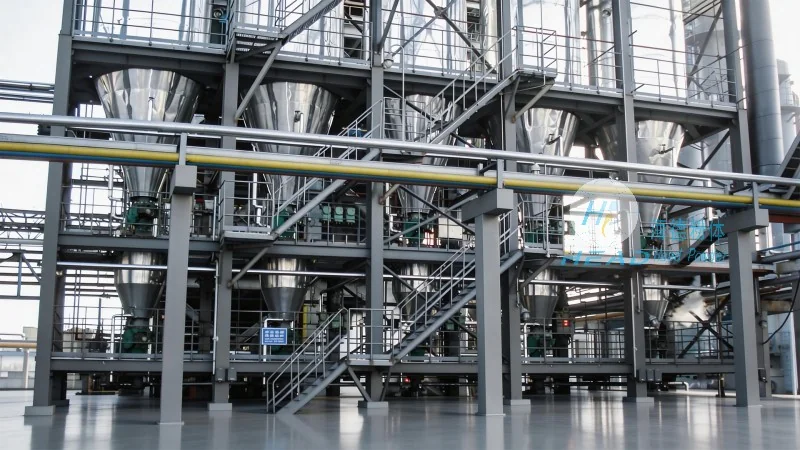
Introduction to Pneumatic Conveying for Fly Ash
Pneumatic conveying systems are widely used in the handling of fly ash due to their ability to transport bulk materials over long distances without the need for mechanical components like conveyors or elevators. These systems rely on the force of compressed air to move the material through a pipeline. However, the nature of fly ash—often consisting of fine particles with varying sizes and densities—can make it prone to agglomeration and blockage if not properly managed. Understanding the fundamental principles of pneumatic conveying and the specific challenges posed by fly ash is the first step toward designing an effective system.
Common Challenges in Fly Ash Conveying and the Importance of Prevention
One of the primary challenges in fly ash conveying is the tendency of fine particles to stick together or adhere to the inner walls of the pipeline, leading to blockages. This can result in reduced throughput, increased energy consumption, and even system shutdowns. Additionally, variations in ash composition, moisture content, and particle size distribution can exacerbate these issues. Preventing blockages is not just about avoiding downtime; it directly impacts the economic viability of the operation, as blocked pipelines require costly cleaning and maintenance. Therefore, integrating robust design parameters into the system from the outset is paramount.
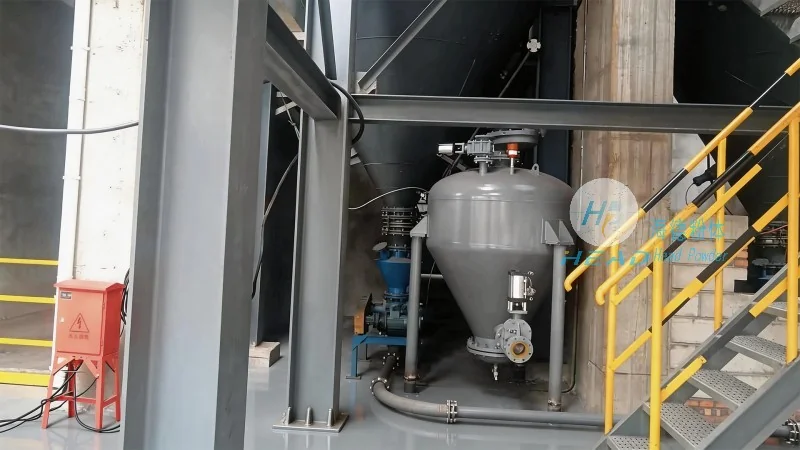
Key Design Parameters for Preventing Pipeline Blockages
Several key design parameters must be optimized to ensure smooth and unobstructed flow of fly ash in pneumatic conveying systems. The first is the air velocity, which must be sufficient to maintain the material in suspension but not so high as to cause excessive wear on the pipeline or equipment. Typically, air velocities range from 20 to 30 meters per second for fly ash, depending on particle size and density. Another critical parameter is the gas-solid ratio, which refers to the ratio of air volume to the volume of material being conveyed. An optimal gas-solid ratio ensures that the material remains suspended and prevents settling or accumulation.
The pipeline diameter is another crucial factor. Larger diameters generally reduce the risk of blockages by providing more space for the material to flow, but they also increase capital costs. Conversely, smaller diameters may be more cost-effective but require higher air velocities to maintain flow. The choice of diameter must balance cost, capacity, and the risk of blockage. Additionally, the material's physical properties, such as particle size distribution, density, and moisture content, must be thoroughly characterized before system design. This data is essential for selecting appropriate air velocities and gas-solid ratios.
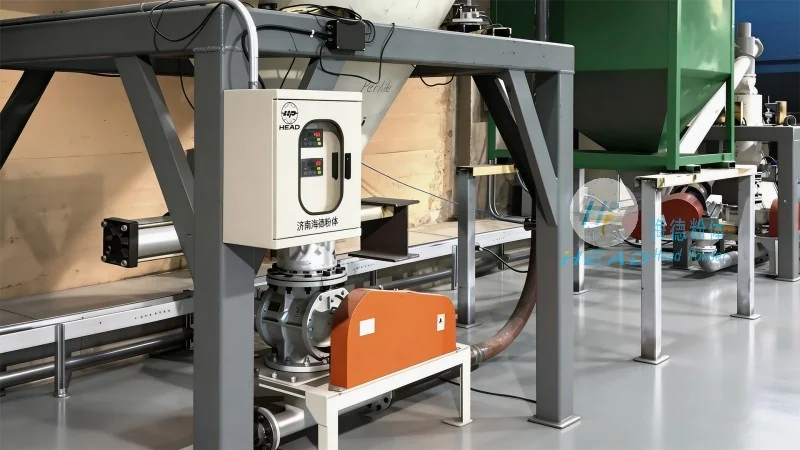
System configuration also plays a significant role. The layout of the pipeline, including the number and location of bends, vertical sections, and expansion or contraction zones, can impact flow dynamics. Properly designed bends with appropriate radii and smooth transitions help minimize turbulence and the likelihood of particle accumulation. Furthermore, incorporating cleaning mechanisms such as air cannons or mechanical scrapers can provide an additional layer of protection against blockages, especially in high-risk sections of the pipeline.
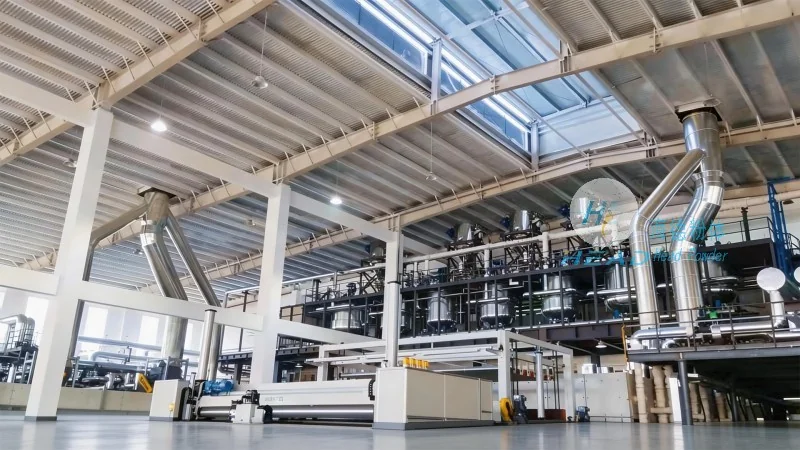
Company Overview: Shandong HeadPowder Engineering Co., Ltd.
Shandong HeadPowder Engineering Co., Ltd., commonly known as HeadPowder, is a leading provider of engineering solutions for bulk material handling, including pneumatic conveying systems. With a focus on innovation and customer-centric design, HeadPowder specializes in developing customized solutions tailored to the unique challenges of fly ash and other fine powders. The company's expertise lies in integrating advanced design parameters and cutting-edge technologies to ensure reliable, efficient, and blockage-free transportation of materials. HeadPowder's commitment to quality and performance has made it a trusted partner for industries relying on pneumatic conveying systems for fly ash management.
Conclusion
Preventing pipeline blockages in pneumatic conveying systems for fly ash requires a comprehensive approach that considers multiple design parameters. By optimizing air velocity, gas-solid ratio, pipeline diameter, and system configuration, along with thorough material characterization and the integration of cleaning mechanisms, operators can significantly reduce the risk of blockages and enhance the overall efficiency of their conveying operations. Companies like Shandong HeadPowder Engineering Co., Ltd. play a vital role in providing expert guidance and customized solutions to address these challenges, ensuring that fly ash is transported safely and effectively. As the demand for sustainable and efficient material handling solutions grows, the importance of these design considerations will only increase, making them essential for any successful pneumatic conveying system.