

How to Prevent Pipeline Blockages in Desulfurization Fly Ash Conveying with Pneumatic Conveying Syst
Desulfurization fly ash, a byproduct of flue gas desulfurization processes in power plants, poses unique challenges when it comes to material handling and transportation. One of the most critical issues in this process is the risk of pipeline blockages, which can lead to operational disruptions, increased maintenance costs, and reduced efficiency. Pneumatic conveying systems have emerged as a reliable solution for transporting these fine, abrasive materials, but their effectiveness hinges on proper design and implementation. This article explores how to prevent pipeline blockages in desulfurization fly ash conveying using pneumatic systems and highlights the key design parameters that ensure optimal performance.
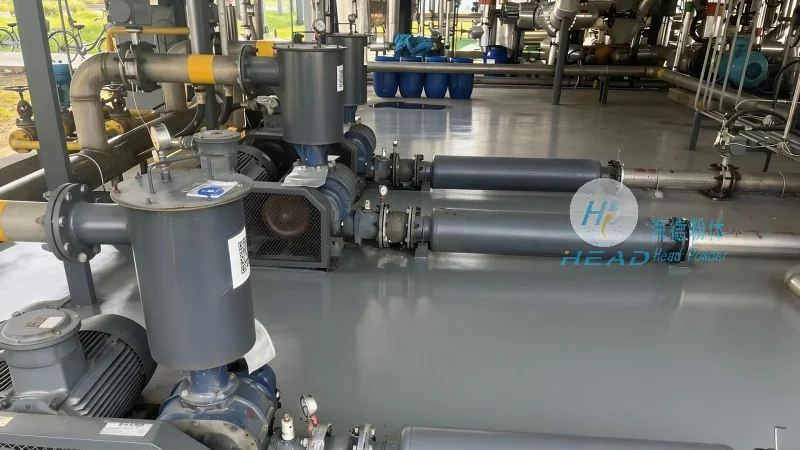
Shandong HeadPowder Engineering Co., Ltd., a leading provider of specialized material handling solutions, specializes in designing and manufacturing pneumatic conveying systems tailored to the demands of industrial applications, including the transportation of desulfurization fly ash. With years of experience in the field, the company understands the complexities involved in preventing blockages and has developed innovative approaches to ensure smooth and uninterrupted material flow. The following sections outline the critical design parameters and strategies that contribute to effective blockage prevention in pneumatic conveying systems for desulfurization fly ash.
1. Pipeline Diameter and Length Optimization
The diameter of the conveying pipeline is a fundamental parameter that directly impacts the risk of blockages. Insufficient pipe diameter can lead to high material velocity, causing abrasion and wear on the pipe walls, while excessive diameter may result in low material velocity, leading to settlement and accumulation. For desulfurization fly ash, which is typically fine and has a high moisture content, a larger diameter is generally recommended to maintain a consistent flow velocity and prevent particle agglomeration. The length of the pipeline also plays a role, as longer runs increase the likelihood of blockages due to friction losses and material settling. Proper sizing, based on the material's properties and the system's operating conditions, is essential to minimize these risks.
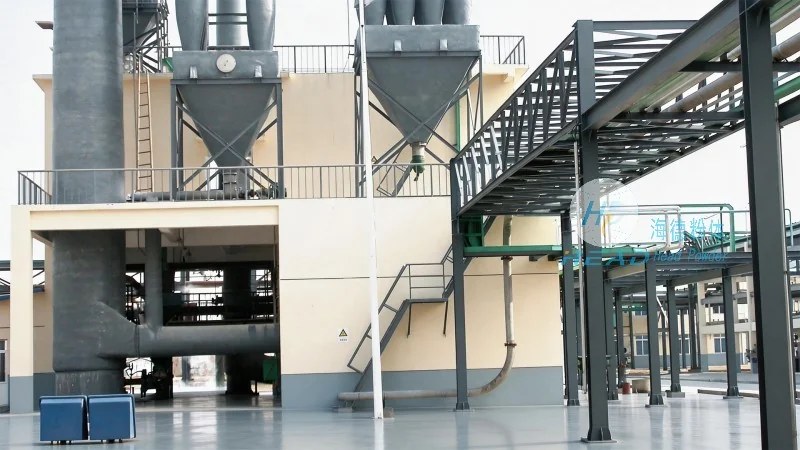
2. Air Velocity and Pressure Management
Air velocity is a critical factor in pneumatic conveying, as it determines the force available to move the material through the pipeline. Insufficient air velocity can cause the material to settle and form plugs, while excessive velocity may lead to excessive wear on the system components and increased energy consumption. For desulfurization fly ash, which is often abrasive, maintaining an optimal air velocity is crucial. The pressure within the system must be carefully controlled to ensure that the material is carried at a consistent velocity without causing excessive stress on the pipeline or equipment. HeadPowder Engineering recommends using a combination of positive and negative pressure zones to manage the flow, which helps in maintaining a stable velocity and preventing blockages.
3. Material Properties and Moisture Content
The physical properties of desulfurization fly ash, such as particle size distribution, density, and moisture content, significantly influence the conveying process. Fine particles are more prone to agglomeration, especially when moisture is present, which can lead to blockages. To mitigate this, the system design must account for the material's moisture content and adjust the air flow accordingly. HeadPowder Engineering uses advanced material analysis to determine the optimal conveying parameters, ensuring that the system operates within the material's handling limits. Additionally, incorporating moisture control measures, such as drying or conditioning, can further reduce the risk of blockages.
4. System Layout and Bending Angles
The layout of the pneumatic conveying system, including the number and angle of bends, affects the flow dynamics and the risk of blockages. Sharp bends can cause material to impact the pipe walls, leading to abrasion and potential blockages. Therefore, it is essential to use gradual bends with appropriate radii to minimize friction and maintain a smooth flow. The spacing between bends and the overall system layout should be designed to avoid areas where material can settle or accumulate. HeadPowder Engineering's engineers use computational fluid dynamics (CFD) simulations to optimize the system layout, ensuring that the material flows smoothly through the entire pipeline without encountering obstacles.
5. Regular Maintenance and Cleaning Protocols
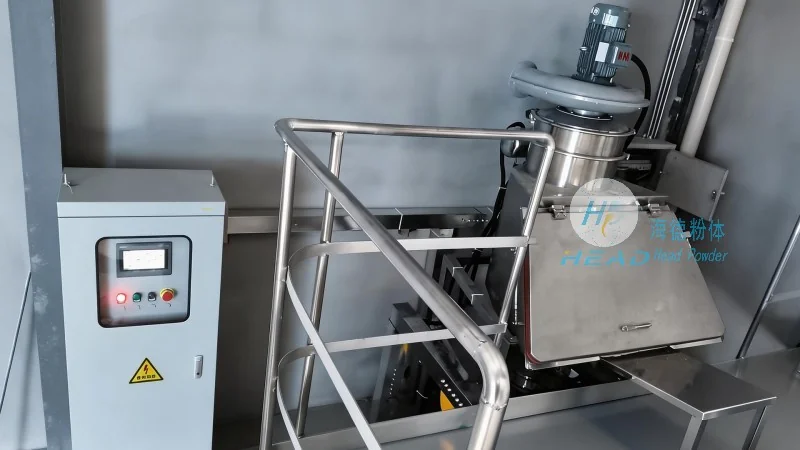
Even with optimal design, regular maintenance and cleaning are necessary to prevent long-term blockages and ensure system longevity. HeadPowder Engineering recommends implementing a preventive maintenance schedule that includes routine inspections of the pipeline, filters, and air compressors. Regular cleaning of the conveying line, especially after periods of low activity or when handling different materials, can prevent the buildup of residue that may lead to blockages. Additionally, using self-cleaning filters and monitoring equipment can help detect potential issues early, allowing for timely intervention and minimizing downtime.
Conclusion
Preventing pipeline blockages in desulfurization fly ash conveying is a multifaceted challenge that requires careful consideration of several key design parameters. By optimizing pipeline diameter and length, managing air velocity and pressure, accounting for material properties, designing an efficient system layout, and implementing regular maintenance protocols, pneumatic conveying systems can effectively transport desulfurization fly ash without interruptions. Shandong HeadPowder Engineering Co., Ltd. specializes in providing customized pneumatic conveying solutions that address these challenges, ensuring reliable and efficient material handling for industrial applications. With their expertise and innovative approach, HeadPowder Engineering helps clients maintain smooth operations and reduce the risks associated with blockages in desulfurization fly ash transportation.