

How to Prevent Pipeline Blockages in Pneumatic Conveying Systems for Dry Manure? Key Design Paramete
When it comes to transporting dry manure efficiently, pneumatic conveying systems have emerged as a reliable solution. However, one of the major challenges in such operations is the risk of pipeline blockages, which can lead to system downtime and increased maintenance costs. Understanding and implementing the right design parameters is crucial to mitigate these issues and ensure smooth, uninterrupted operation. This article explores effective strategies to prevent pipeline blockages in pneumatic conveying systems for dry manure, with a focus on key design considerations.
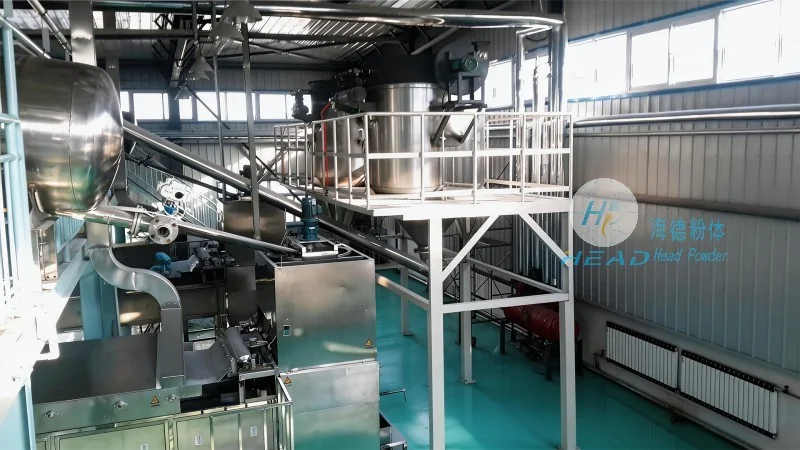
Expertise from Shandong HeadPowder Engineering Co., Ltd.
Shandong HeadPowder Engineering Co., Ltd., a leading provider of pneumatic conveying solutions, specializes in designing and manufacturing systems tailored to the unique demands of agricultural and waste management applications. With years of experience in the industry, the company has developed a deep understanding of the factors that contribute to blockages in dry manure conveying systems. By integrating advanced engineering principles and practical field experience, HeadPowder offers customized solutions that address the specific challenges faced by clients in the agricultural sector.
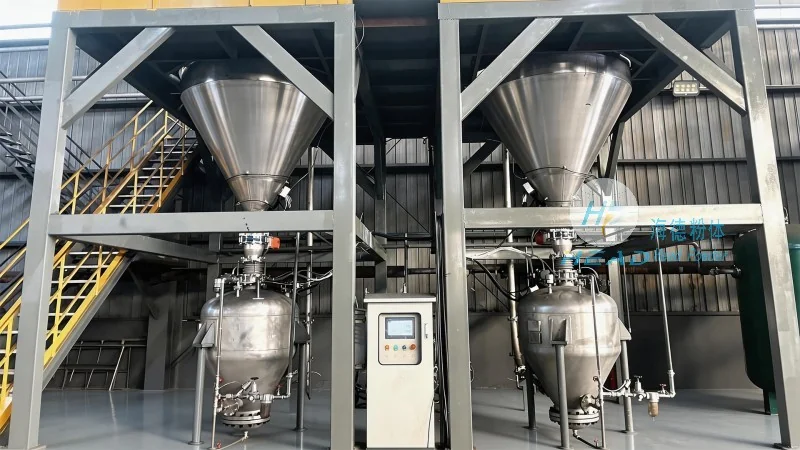
Key Design Parameters to Prevent Pipeline Blockages
The prevention of pipeline blockages in pneumatic conveying systems for dry manure hinges on several critical design parameters. These parameters are carefully selected to ensure that the system operates within optimal conditions, minimizing the risk of material accumulation and blockages. The primary factors include:
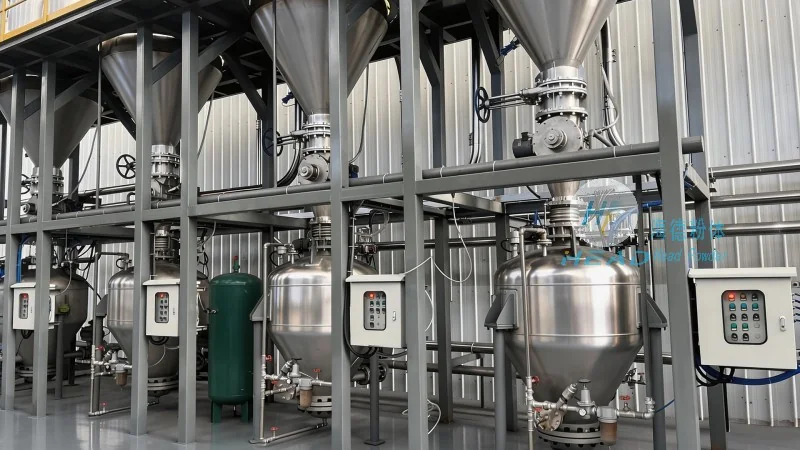
- System Pressure and Airflow Rate: Maintaining an appropriate pressure level and airflow rate is fundamental. Insufficient pressure can lead to inadequate material transport, while excessive pressure may cause wear and tear on components. The optimal pressure is determined based on the density and flowability of the dry manure, ensuring that the material is conveyed at a consistent velocity without causing friction or pressure buildup.
- Pipeline Diameter and Length: The diameter of the conveying pipeline plays a significant role in determining the velocity of the material-air mixture. Larger diameters generally allow for higher material flow rates but may increase the risk of blockages if the airflow is insufficient. The length of the pipeline also affects the overall pressure drop, as longer pipelines require higher pressure to maintain the desired flow rate. Proper sizing of the pipeline diameter and length is essential to balance material transport efficiency with blockage prevention.
- Material Characteristics: The physical properties of the dry manure, such as particle size, moisture content, and bulk density, directly impact the conveying performance. Coarse or irregularly shaped particles may require higher airflow rates to prevent segregation and blockages. Additionally, the moisture content affects the material's flowability; higher moisture levels can cause clumping, which increases the risk of blockages. HeadPowder engineers consider these characteristics during the design phase to select the most suitable conveying method and equipment.
- Conveying Velocity and Air-to-Material Ratio: The velocity at which the material is conveyed and the air-to-material ratio are critical parameters. A higher air-to-material ratio ensures that the material is fully suspended and transported efficiently, reducing the likelihood of deposition. However, an excessively high ratio can lead to energy inefficiency and increased operating costs. The optimal ratio is determined through calculations and empirical data, balancing material transport with energy consumption. This parameter is closely monitored to maintain consistent performance and prevent blockages caused by insufficient suspension.
System Components and Their Role in Blockage Prevention
Along with the design parameters, the selection and integration of system components are vital to preventing pipeline blockages. Key components include: