

How to Prevent Pipeline Blockages in Air-Pneumatic Conveying Systems for Fermented Grain Transport:
When it comes to transporting fermented grain, such as qu in the brewing industry, air-pneumatic conveying systems offer an efficient and hygienic solution. However, a common challenge in these systems is pipeline blockages, which can halt production, increase maintenance costs, and affect product quality. Understanding and implementing the right design parameters is crucial to prevent such issues and ensure smooth operation.
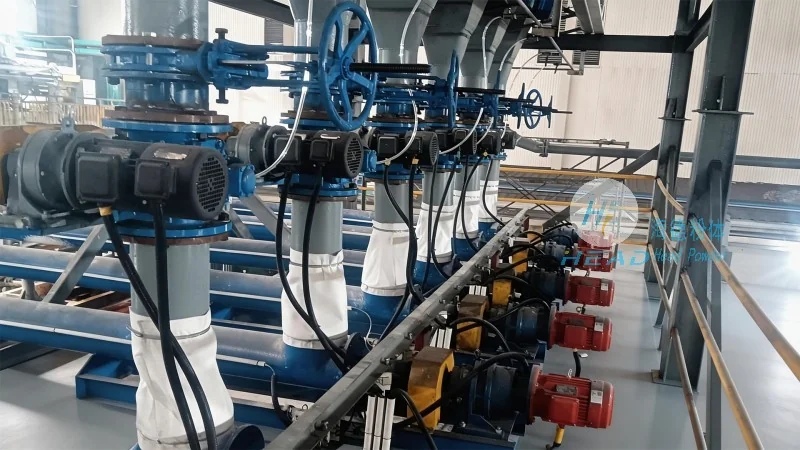
The Challenge of Pipeline Blockages in Fermented Grain Conveying
Pipeline blockages in fermented grain conveying systems can occur due to various factors, including the physical properties of the material, system design, and operational conditions. Fermented grains often have high moisture content and can clump together, making them prone to sticking to the inner walls of the pipeline. Additionally, improper air flow rates or pressure settings can lead to insufficient material movement, causing accumulation and eventual blockage. These blockages not only disrupt the conveying process but also require costly downtime for cleaning and repair.
Key Design Parameters to Prevent Blockages
To prevent pipeline blockages in air-pneumatic conveying systems for fermented grain transport, several key design parameters must be considered. The first is the selection of the appropriate conveying velocity. The velocity of the air stream must be high enough to keep the material in suspension but not so high that it causes excessive wear on the pipeline or equipment. For fermented grains, a conveying velocity typically ranges from 20 to 30 meters per second, depending on the material's characteristics and system configuration.
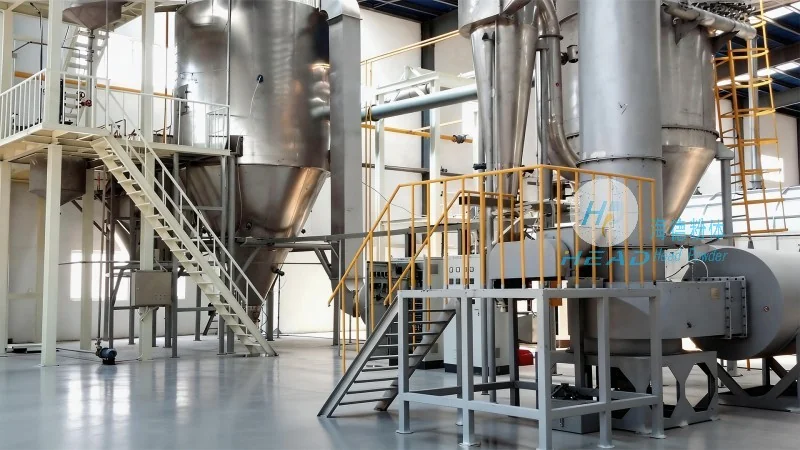
Another critical parameter is the air-to-material ratio. This ratio determines the amount of air required to transport the material. An optimal air-to-material ratio ensures that the material is fully suspended and moves efficiently through the pipeline. For fermented grain, a ratio of 0.5 to 1.0 cubic meters of air per kilogram of material is often recommended. Maintaining this ratio helps prevent material from settling and sticking to the pipeline walls.
The pipeline diameter is also a significant design factor. A larger diameter reduces the friction between the material and the pipeline, minimizing the risk of blockage. However, a too-large diameter may require more air and energy, increasing operational costs. For fermented grain conveying, a pipeline diameter of 100 to 150 millimeters is commonly used, balancing efficiency and cost.
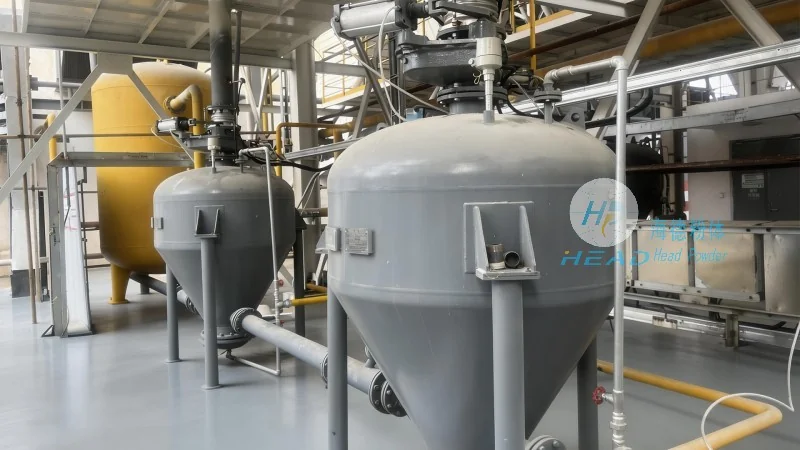
Furthermore, the system's pressure and vacuum settings play a vital role. Proper pressure and vacuum levels ensure consistent material flow and prevent air leaks or pressure drops that could lead to blockages. For example, maintaining a positive pressure of 0.5 to 1.0 bar and a vacuum of 0.2 to 0.5 bar can help keep the material moving smoothly. Regular monitoring and adjustment of these parameters are essential to maintain optimal performance.
Material handling equipment, such as feeders and cyclones, also contribute to preventing blockages. Properly designed feeders ensure a consistent flow of fermented grain into the system, avoiding surges or gaps that could cause blockages. Cyclones, used for separating air and material, must be sized correctly to handle the volume of material and air, preventing clogging in the separation process.

Company Profile: Shandong HeadPowder Engineering Co., Ltd.
Shandong HeadPowder Engineering Co., Ltd., a leading provider of air-pneumatic conveying solutions, specializes in designing and manufacturing systems tailored to the unique needs of the brewing industry. With years of experience in the field, the company has developed expertise in preventing pipeline blockages through optimized design parameters. HeadPowder's team of engineers works closely with clients to assess their specific requirements, ensuring that the conveying system is both efficient and reliable.
Conclusion
In conclusion, preventing pipeline blockages in air-pneumatic conveying systems for fermented grain transport requires a careful consideration of several key design parameters. By optimizing conveying velocity, air-to-material ratio, pipeline diameter, pressure settings, and equipment design, operators can minimize the risk of blockages and ensure smooth, continuous operation. Companies like Shandong HeadPowder Engineering Co., Ltd. offer specialized solutions and expertise to help clients achieve these goals, enhancing productivity and reducing maintenance costs in the brewing process.