

Preventing Pipe Blockages in Pneumatic Conveying Systems for Gelatin: Key Design Parameters
When it comes to transporting gelatin using pneumatic conveying systems, preventing pipe blockages is a critical challenge that impacts operational efficiency and system reliability. Gelatin, with its unique rheological properties, can behave unpredictably under high-pressure or low-pressure air flow, leading to clogging in pipelines. This article explores effective strategies to mitigate blockages and outlines the essential design parameters that engineers must consider when designing pneumatic conveying systems for gelatin transport.
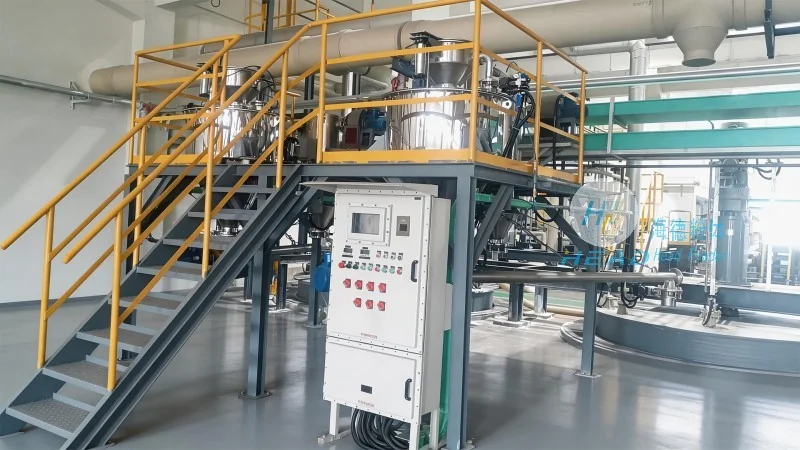
Understanding the Risks of Pipe Blockages in Gelatin Conveying
Gelatin, a protein-based hydrocolloid derived from animal or plant sources, exhibits non-Newtonian flow characteristics. Its viscosity changes with shear rate and temperature, making it susceptible to agglomeration and bridging within pipelines. When air flow is insufficient or the system pressure drops, gelatin particles can settle and form solid plugs, leading to system downtime and costly repairs. The consequences of blockages extend beyond operational interruptions; they can also damage equipment, increase maintenance costs, and compromise product quality if the gelatin is contaminated during the process.
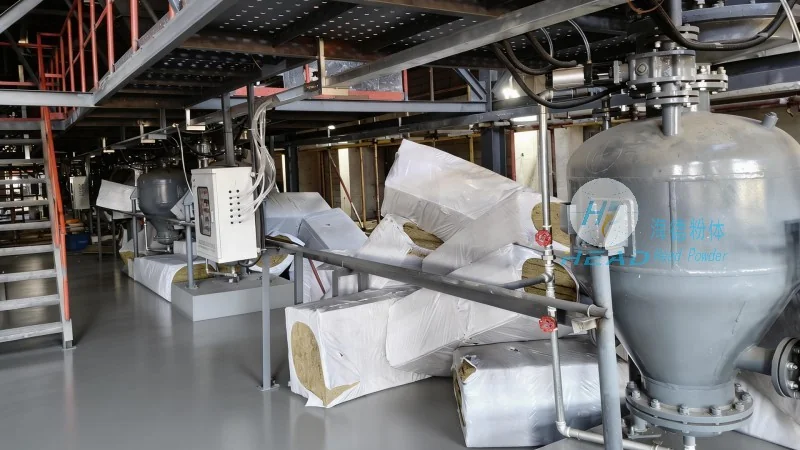
Key Design Parameters for Preventing Blockages in Pneumatic Conveying Systems
Designing a pneumatic conveying system for gelatin requires a holistic approach that addresses the material's physical and chemical properties. Several critical parameters must be optimized to ensure smooth and uninterrupted transport. These include:
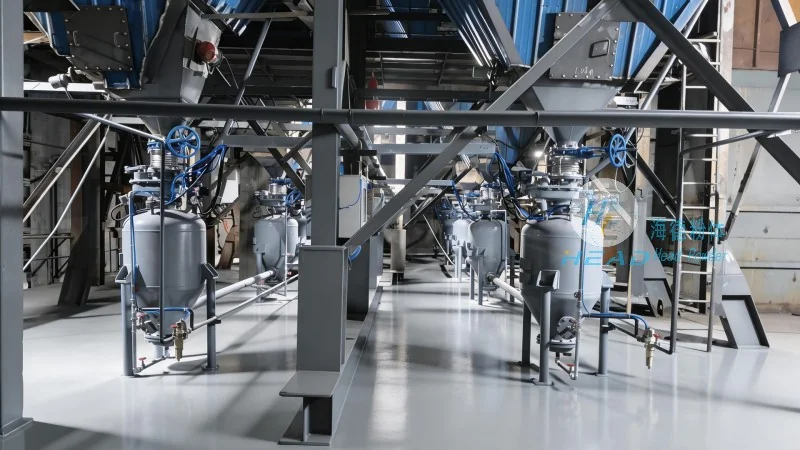
- Air Velocity and Flow Rate: Maintaining an adequate air velocity is paramount. The velocity must be high enough to keep gelatin particles suspended but not so high as to cause excessive wear on components. Typically, velocities range from 20 to 30 meters per second for fine gelatin powders, ensuring that particles remain in the air stream without settling.
- Pipeline Diameter and Length: The diameter of the conveying pipe is directly proportional to the system's capacity and the risk of blockage. Larger diameters reduce the likelihood of particle accumulation and improve flow dynamics. However, longer pipelines increase the risk of pressure drop, which can lead to settling. Engineers must balance pipe diameter with system length to maintain optimal pressure and flow.
- Gas-Solid Ratio (G/S Ratio): The G/S ratio, which is the ratio of air volume to solid volume, is a key factor in preventing blockages. An optimal G/S ratio ensures that gelatin particles are adequately entrained by the air stream. For gelatin, a G/S ratio of 10:1 to 15:1 is often recommended, as it provides sufficient air to keep particles suspended while minimizing energy consumption.
- Pipe Bends and Elbows: The design and placement of bends and elbows in the pipeline are crucial. Sharp bends can cause turbulence and particle separation, leading to deposition. Using smooth, gradual bends with larger radii (at least 5 times the pipe diameter) reduces the risk of blockages by maintaining consistent flow and preventing particle accumulation at curve points.
- Material of Construction: The choice of pipe material is critical to prevent corrosion or chemical reactions with gelatin. Stainless steel, particularly 316L, is commonly used due to its resistance to corrosion and ability to handle the acidic or basic nature of gelatin solutions. Properly lined pipes can also protect against abrasion from fine gelatin particles.
- System Pressure and Vacuum Levels: The operating pressure or vacuum level in the system affects the conveying efficiency. For positive pressure systems, maintaining a consistent pressure (typically 0.5 to 1.0 bar above atmospheric) ensures that gelatin particles are propelled forward. In vacuum systems, the suction rate must be sufficient to prevent particle settling at the inlet. Fluctuations in pressure can lead to uneven flow and increased blockage risk.
Best Practices for Implementing Pneumatic Conveying Systems for Gelatin
Beyond design parameters, operational best practices play a vital role in preventing blockages. Regular maintenance, such as cleaning pipelines and checking for wear on components, is essential. Additionally, monitoring system pressure and flow rates in real-time allows operators to detect early signs of blockage and take corrective action promptly. Using inline filters and cyclone separators can also help remove debris or agglomerates that might cause blockages, ensuring a cleaner conveying process.
Conclusion
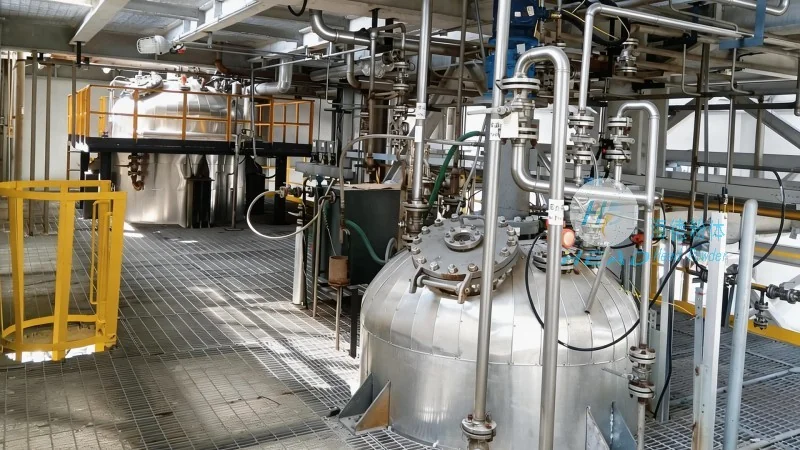
Preventing pipe blockages in pneumatic conveying systems for gelatin transport is a multifaceted challenge that requires careful consideration of design parameters and operational practices. By optimizing air velocity, pipeline dimensions, G/S ratio, and other critical factors, engineers can create a reliable system that minimizes downtime and maximizes efficiency. Companies like Shandong HeadPowder Engineering Co., Ltd., with expertise in pneumatic conveying technology, offer tailored solutions that address the unique challenges of gelatin transport, ensuring smooth and uninterrupted operations for their clients.