

What is a Sulfate Nickel Crystallization Material Handling Equipment? And What Are Its Design Princi
As a critical component in the production of lithium-ion batteries, sulfate nickel plays a pivotal role in modern energy storage solutions. The efficient handling and transportation of crystallized sulfate nickel are essential for maintaining production efficiency and product quality. This article explores the concept of sulfate nickel crystallization material handling equipment, delving into its design principles and operational mechanisms to provide a comprehensive understanding of this specialized industrial equipment.
Understanding Sulfate Nickel Crystallization and Its Handling Needs
Sulfate nickel, often derived from nickel sulfate solutions through crystallization processes, is a key raw material used in the manufacturing of cathode materials for lithium-ion batteries. The crystallization step involves controlling temperature, concentration, and other parameters to produce high-purity nickel sulfate crystals. Once formed, these crystals need to be efficiently transferred from the crystallization tank to subsequent processing stages, such as drying, packaging, or further chemical treatment. Traditional methods, like manual handling or basic conveyor systems, often face challenges in maintaining product integrity and operational efficiency. This is where specialized sulfate nickel crystallization material handling equipment comes into play, designed to address these specific industry requirements.
The Core Design Principles of Sulfate Nickel Crystallization Material Handling Equipment
The design of sulfate nickel crystallization material handling equipment is driven by several key principles aimed at optimizing performance, ensuring product quality, and enhancing operational safety. One of the primary considerations is the handling of wet, crystalline materials, which can be delicate and prone to breakage or contamination. The equipment must be constructed from materials that are resistant to corrosion and chemical exposure, typically using stainless steel or other corrosion-resistant alloys to withstand the acidic and saline environments associated with nickel sulfate solutions.
Another critical design principle is the ability to maintain product temperature and moisture levels during transportation. Sulfate nickel crystals are sensitive to temperature fluctuations and moisture loss, which can affect their purity and reactivity. Therefore, the equipment often incorporates temperature-controlled sections and sealed conveying systems to minimize exposure to ambient conditions. This helps preserve the crystalline structure and prevent premature drying or degradation of the material.
Efficiency and reliability are also paramount in the design. The equipment is engineered to handle high volumes of crystalline material with minimal downtime, ensuring a continuous flow from the crystallization tank to downstream processes. This involves the use of robust drive systems, durable belts or screw conveyors, and advanced control mechanisms that allow for precise speed and direction adjustments. Additionally, the design incorporates features to prevent material buildup, blockages, or clogging, which are common issues with wet crystalline materials. Self-cleaning mechanisms or adjustable feed mechanisms may be integrated to maintain smooth operation.
Key Components and Operational Mechanisms
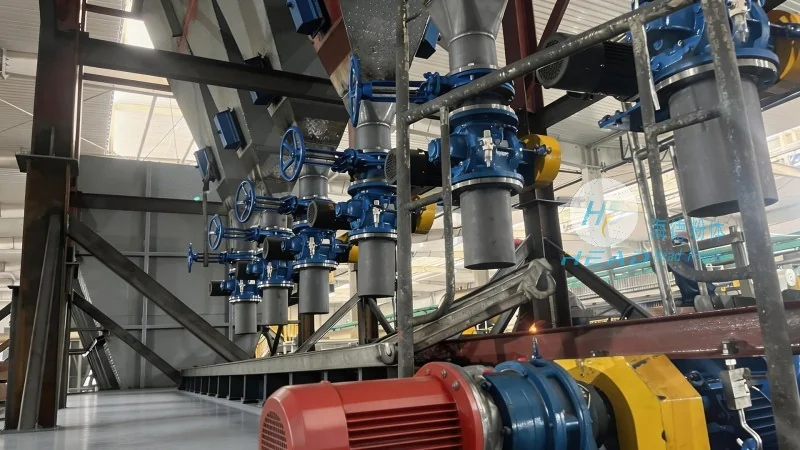
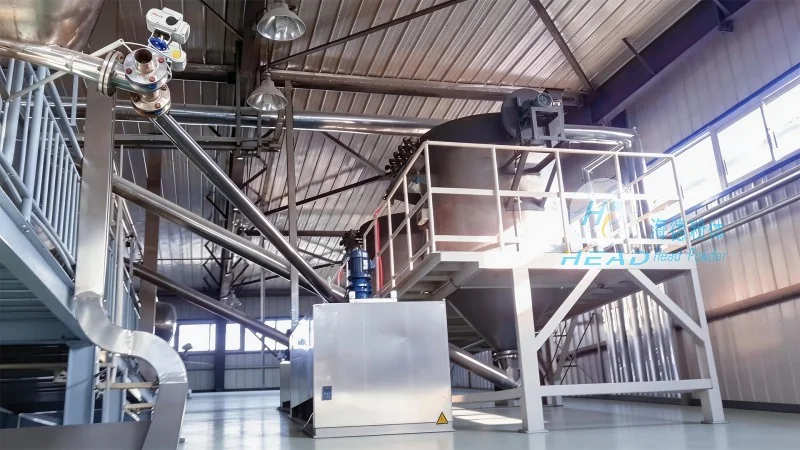
Typical sulfate nickel crystallization material handling equipment consists of several interconnected components working in harmony to achieve efficient material transfer. The primary components include a crystallization tank discharge system, a conveying mechanism (such as a screw conveyor or belt conveyor), a control system, and sometimes a drying or pre-treatment section. The discharge system is designed to safely remove the crystallized material from the tank, often using a slurry pump or a gravity-fed chute that minimizes the risk of material splashing or spillage.
The conveying mechanism is the heart of the system, responsible for transporting the crystalline material from the discharge point to the processing or storage area. Screw conveyors are commonly used due to their ability to handle wet materials without the need for additional lubrication, as the screw rotates within a sealed housing to move the material forward. Belt conveyors may also be employed, especially for larger particle sizes or when a gentler handling approach is required. The choice of conveyor type depends on factors such as material characteristics, throughput requirements, and space constraints.
The control system plays a crucial role in regulating the operation of the equipment. It typically includes sensors to monitor parameters like material level, temperature, and conveyor speed, as well as programmable logic controllers (PLCs) to automate the entire process. This allows for real-time adjustments to maintain optimal conditions and prevent operational issues. The control system may also include safety features, such as emergency stop buttons and overload protection, to ensure safe operation in industrial settings.
Application and Benefits in Industrial Settings
Sulfate nickel crystallization material handling equipment is widely used in the battery manufacturing industry, particularly in facilities that produce nickel-based cathode materials. The equipment is essential for maintaining a consistent supply of high-quality crystalline sulfate nickel, which directly impacts the performance and lifespan of lithium-ion batteries. By efficiently handling the crystallization process, the equipment helps reduce production bottlenecks, minimize material loss, and improve overall production efficiency.
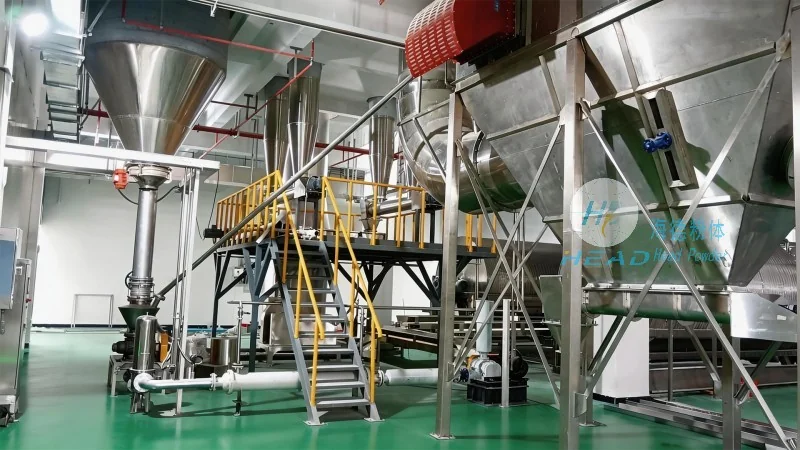
One of the key benefits of this specialized equipment is its ability to maintain product integrity throughout the handling process. The sealed and temperature-controlled design prevents contamination from external sources and minimizes moisture loss, ensuring that the crystalline material remains in its optimal state for subsequent processing. This leads to higher purity products and better performance in the final battery applications.
Additionally, the equipment contributes to operational safety by reducing the need for manual handling of wet, potentially hazardous materials. Manual handling can expose workers to chemical splashes, slippery surfaces, and other safety risks. The automated material handling system minimizes these risks, creating a safer working environment while improving productivity.
About Shandong HeadPowder Engineering Co., Ltd.
HeadPowder, or Shandong HeadPowder Engineering Co., Ltd., is a leading manufacturer specializing in industrial equipment for material handling and processing. With a focus on innovation and quality, the company has developed advanced solutions for handling various crystalline and powder materials, including sulfate nickel. HeadPowder's expertise lies in designing equipment that meets the specific needs of the battery and chemical industries, ensuring reliable and efficient operation. The company's commitment to customer satisfaction and technological advancement has established it as a trusted partner in the field of material handling equipment.
Conclusion
Sulfate nickel crystallization material handling equipment is a critical component in the production of high-quality nickel-based battery materials. Its design principles, which prioritize material integrity, operational efficiency, and safety, make it an indispensable tool for modern battery manufacturing facilities. By understanding the design and functionality of this equipment, industry professionals can better appreciate its role in ensuring the quality and reliability of battery production processes. As the demand for lithium-ion batteries continues to grow, the importance of efficient material handling equipment like this will only increase, driving further innovation and development in the field.