

Working Principle and Features of Intermittent Powder Pneumatic Conveying Equipment
Intermittent powder pneumatic conveying equipment is a critical component in the material handling and processing industry, designed to transport dry powders and granular materials over short to medium distances with efficiency and reliability. This equipment operates by using compressed air to create a flow that moves the material through a pipeline system. The design of such systems is tailored to handle various types of powders, ensuring minimal degradation and loss during transport. As a key solution for industries like pharmaceuticals, food processing, and chemical manufacturing, understanding the working principle and features of these systems is essential for optimizing operational efficiency and maintaining product quality.
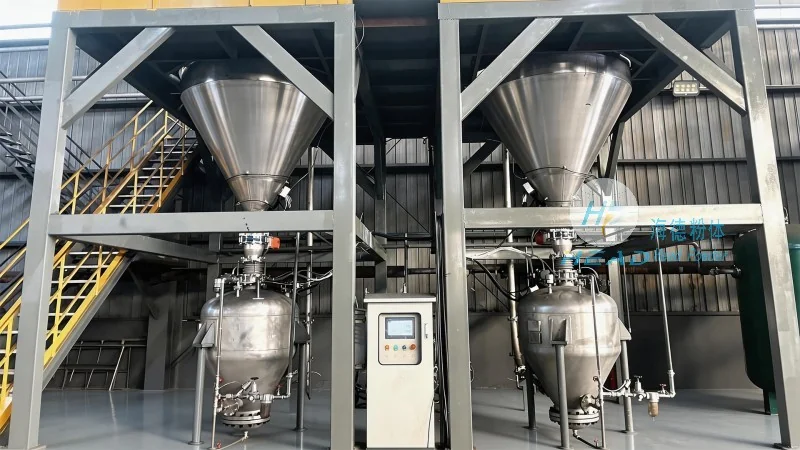
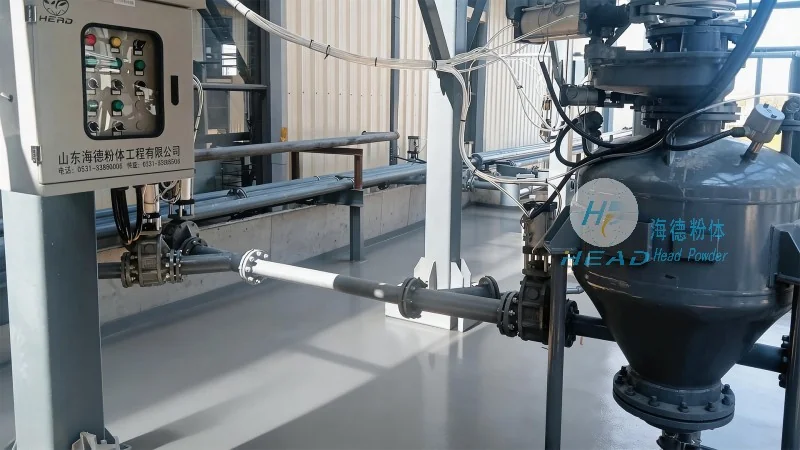
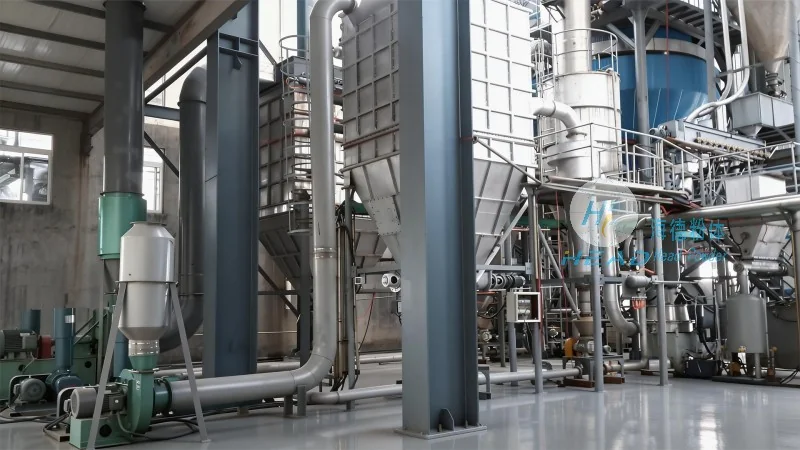
Working Principle of Intermittent Powder Pneumatic Conveying Equipment
The core mechanism of intermittent powder pneumatic conveying equipment involves the controlled release of compressed air to create a pressure differential that propels the material. The process typically begins with the material being loaded into a hopper or feeder, where it is then drawn into the conveying line by the air flow. The equipment uses a series of valves and control mechanisms to regulate the air pressure and flow rate, ensuring that the material is transported in a controlled manner. This intermittent operation allows for precise control over the material's movement, preventing clogging and ensuring consistent delivery. The system often includes a filter and a receiver to capture any fine particles and return them to the process, maintaining a closed-loop operation that minimizes waste and environmental impact. The working principle also emphasizes the use of intermittent air pulses, which help in preventing material bridging and ensuring smooth flow through the pipeline.
Key Features of Intermittent Powder Pneumatic Conveying Equipment
One of the primary features of this equipment is its ability to handle a wide range of powder characteristics, including fine powders, cohesive materials, and those prone to bridging or segregation. The intermittent operation allows for better control over the material's flow, reducing the risk of blockages and ensuring uniform distribution. Another significant feature is the system's flexibility, as it can be easily integrated into existing production lines without major modifications. The equipment also offers high efficiency in terms of energy consumption, as the compressed air is used only when needed, reducing operational costs. Additionally, the design minimizes product contamination, making it suitable for applications where hygiene and purity are paramount, such as in the food and pharmaceutical industries. The robust construction of the conveying lines and components ensures durability and long-term performance, even under demanding operational conditions. Furthermore, the system provides precise control over the material's flow rate and pressure, enabling operators to adjust the transport parameters according to specific requirements. This level of control enhances process reliability and product quality, making it an ideal solution for industries that demand consistent and efficient material handling.