

What is Wet Ammonium Nitrate Material Handling Equipment? And What Are Its Design Principles?
Wet ammonium nitrate is a critical raw material in various industrial applications, including fertilizer production, explosives manufacturing, and chemical processing. The efficient and safe handling of this material is paramount to ensure operational efficiency and compliance with safety regulations. This article explores the wet ammonium nitrate material handling equipment and its underlying design principles, providing insights into how such systems are engineered to meet the demanding requirements of modern industrial processes.
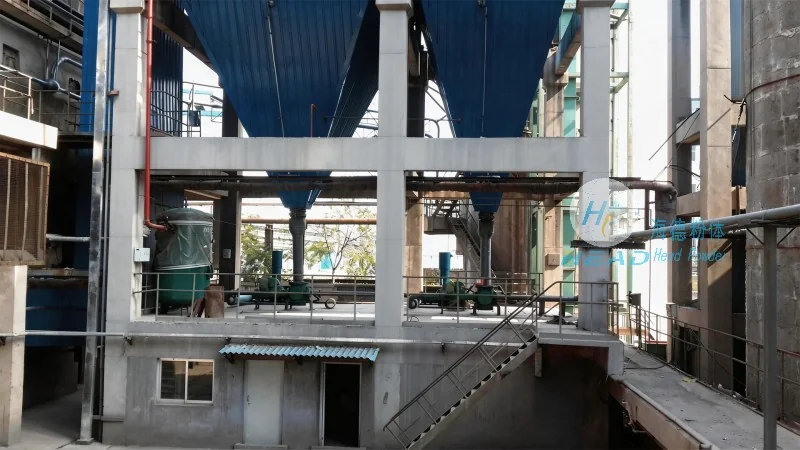
Introduction to Wet Ammonium Nitrate Material Handling Equipment
Wet ammonium nitrate material handling equipment is specifically designed to transport and process wet ammonium nitrate, a granular or crystalline solid that often contains moisture. These systems are integral to the production lines of companies like Shandong HeadPowder Engineering Co., Ltd., based in Shandong, China. The equipment must address unique challenges posed by wet ammonium nitrate, such as its hygroscopic nature, potential for dust generation, and the need for explosion-proof and corrosion-resistant components. By understanding the design principles behind these systems, industries can enhance productivity while maintaining safety standards.
Key Components and Design Considerations
The design of wet ammonium nitrate material handling equipment involves several critical components and considerations to ensure optimal performance and safety. One of the primary components is the conveyor system, which may include screw conveyors, belt conveyors, or pneumatic conveying systems, depending on the specific application. Screw conveyors are commonly used for horizontal or slightly inclined transport due to their ability to handle bulk materials with minimal spillage. Belt conveyors, on the other hand, are suitable for longer distances and larger volumes, providing a continuous and stable flow of material.
For wet ammonium nitrate, the conveyor components are typically made from corrosion-resistant materials like stainless steel or special alloys to withstand the chemical properties of the material and moisture. Sealing mechanisms are also crucial to prevent dust and moisture from escaping, which can lead to environmental contamination and health hazards. The equipment often incorporates explosion-proof designs, as ammonium nitrate is a potential explosive hazard under certain conditions. This includes using flame arrestors, spark-proof motors, and proper grounding to mitigate risks.
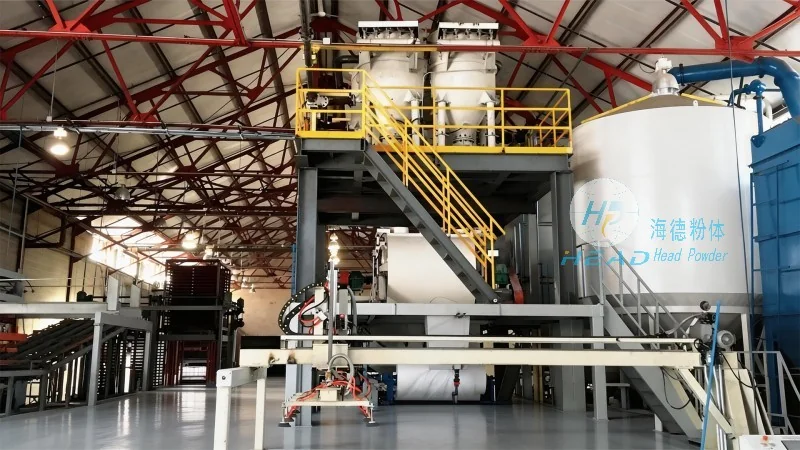
Material Handling Techniques for Wet Ammonium Nitrate
Handling wet ammonium nitrate requires specialized techniques to maintain material integrity and prevent degradation. The equipment is engineered to minimize the risk of caking or agglomeration, which can occur when the material dries out or is exposed to air. To address this, the conveyor systems often include moisture control features, such as inline humidifiers or moisture sensors, to maintain the material's moisture content at optimal levels. Additionally, the design may incorporate vibration or agitation mechanisms to prevent material buildup and ensure smooth flow.
Another important aspect is the feeding and discharge mechanisms. The equipment uses controlled feeding systems to avoid overloading the conveyor, which can lead to blockages or equipment damage. Discharge points are strategically placed to ensure the material is transferred efficiently to the next stage of processing, such as mixing or packaging. The design also considers the need for easy cleaning and maintenance, as wet ammonium nitrate can be sticky and may leave residues on equipment surfaces.
Safety and Regulatory Compliance
Given the hazardous nature of ammonium nitrate, safety is a top priority in the design of wet ammonium nitrate material handling equipment. The systems are built to comply with international safety standards and regulations, such as those from the International Organization for Standardization (ISO) and local authorities. This includes regular inspections, maintenance schedules, and emergency shutdown systems to prevent accidents. The equipment also features monitoring systems that track parameters like temperature, pressure, and material flow, alerting operators to any deviations that could indicate a potential issue.
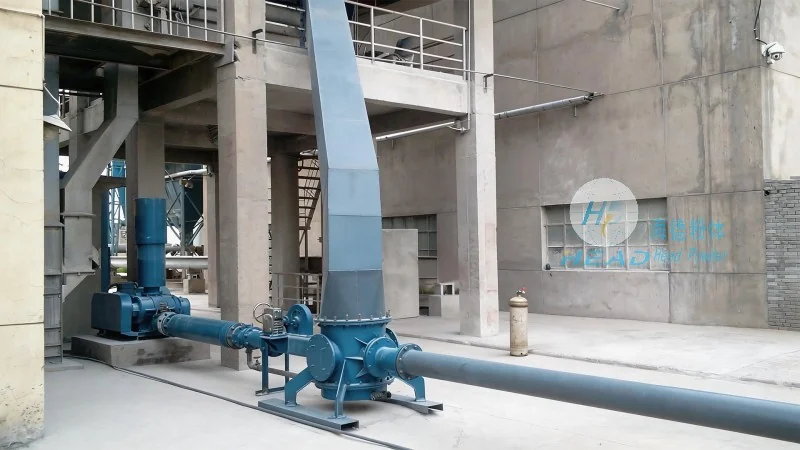
Furthermore, the design incorporates measures to protect against environmental contamination. For example, dust collection systems are integrated to capture any airborne particles, preventing them from entering the environment. The equipment may also include water treatment systems to manage any runoff or spills, ensuring that the material is handled in an environmentally responsible manner.
Application in Industrial Processes
Wet ammonium nitrate material handling equipment is widely used in various industrial processes, particularly in the fertilizer industry. In fertilizer production, the equipment is used to transport wet ammonium nitrate from storage silos to mixing and granulation units. The smooth operation of these systems is critical to maintaining the quality and consistency of the final fertilizer product. In other applications, such as explosives manufacturing, the equipment ensures that the material is handled safely and efficiently, reducing the risk of accidents during processing.
The equipment from Shandong HeadPowder Engineering Co., Ltd. is designed to meet the specific needs of these industries, providing reliable and durable solutions that enhance productivity and safety. By adhering to the design principles outlined above, these systems effectively address the challenges associated with wet ammonium nitrate, making them an essential component of modern industrial operations.