

What Are Lithium-Ion Battery Positive and Negative Electrode Material Handling Equipment? And What A
Lithium-ion battery positive and negative electrode material handling equipment is a critical component in the manufacturing process of lithium batteries. These specialized systems are designed to efficiently transport, mix, and distribute the raw materials used in the production of electrodes, which are essential for the performance and longevity of lithium-ion batteries. Understanding the design principles behind such equipment is vital for optimizing production efficiency and ensuring product quality.
Introduction to HeadPowder and Their Expertise
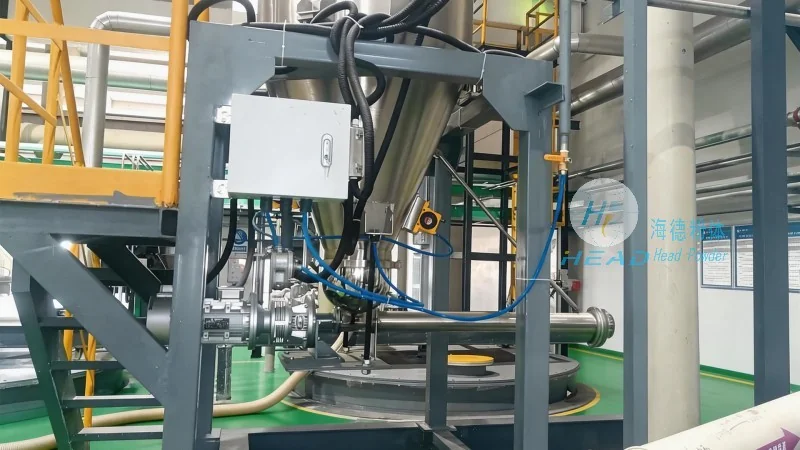
HeadPowder, a leading manufacturer in the field, specializes in providing high-quality material handling solutions tailored to the needs of the lithium battery industry. With a strong presence in Shandong, China, HeadPowder Engineering Co., Ltd. has built a reputation for innovation and reliability in their equipment. The company's commitment to advanced engineering ensures that their handling systems meet the stringent requirements of modern battery production lines.
Key Components of Electrode Material Handling Equipment
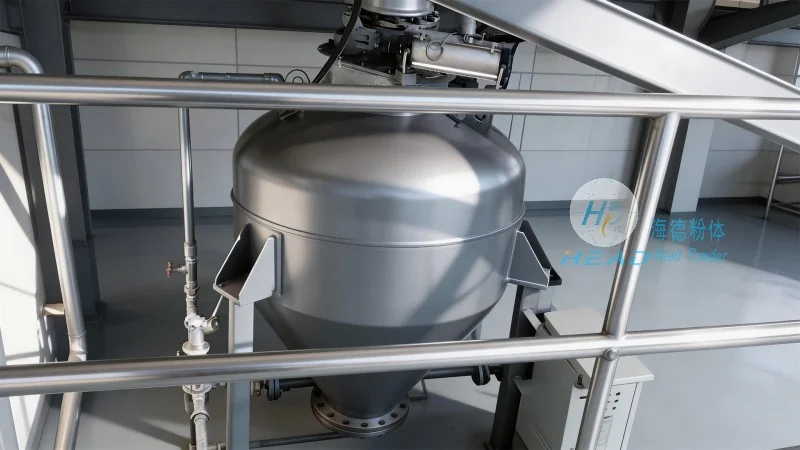
The core components of lithium-ion battery electrode material handling equipment typically include feeding mechanisms, mixing units, conveying systems, and storage solutions. Each component plays a crucial role in the overall process. For instance, feeding mechanisms are responsible for delivering raw materials like graphite, nickel, cobalt, and lithium compounds from storage silos to processing units. Mixing units then blend these materials according to precise formulations, which is critical for achieving uniform electrode properties. Conveying systems, often utilizing pneumatic or mechanical methods, transport the mixed materials to the next stage of production, such as coating or slurry preparation.
Design Principles for Efficient Material Handling
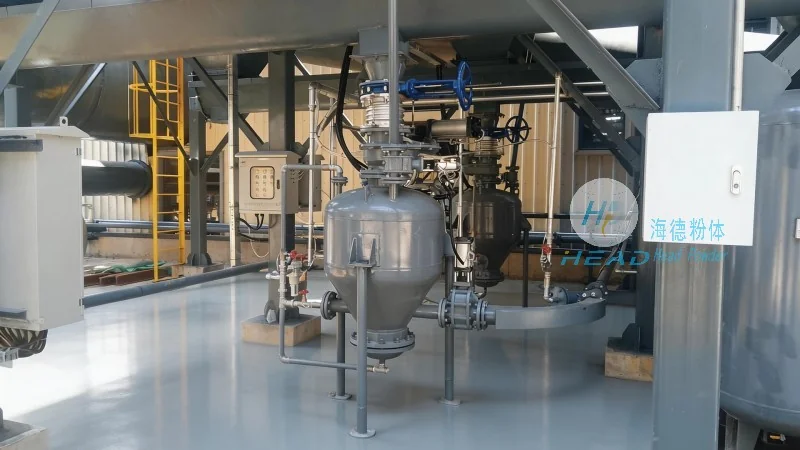
The design principles of these handling systems focus on maximizing efficiency, minimizing material loss, and ensuring consistent product quality. One key principle is the integration of automated control systems that monitor and adjust material flow rates in real-time. This helps maintain uniform material properties and reduces the risk of contamination or uneven distribution. Additionally, the equipment is designed with materials that are resistant to corrosion and chemical reactions, as many electrode materials are sensitive to moisture and other environmental factors. This durability ensures long-term operational reliability and reduces maintenance costs.
Advantages of HeadPowder's Handling Solutions
HeadPowder's handling equipment offers several advantages that enhance the overall battery manufacturing process. These include high throughput rates, which allow for increased production capacity without compromising quality. The systems also feature modular designs, enabling easy integration into existing production lines and future scalability. Furthermore, the company's focus on energy efficiency reduces operational costs and aligns with the industry's sustainability goals. By optimizing material handling, HeadPowder helps manufacturers achieve higher yields and lower production costs, making their solutions a valuable investment for battery producers.
Conclusion
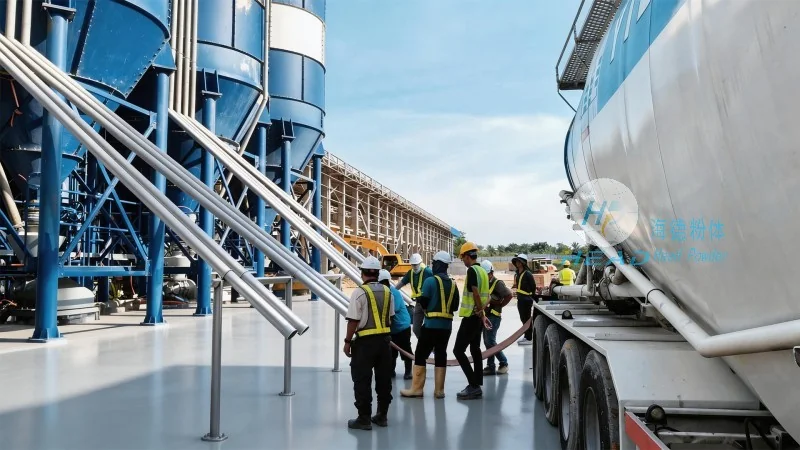
In summary, lithium-ion battery positive and negative electrode material handling equipment is a sophisticated system that relies on well-defined design principles to ensure efficient and reliable operation. HeadPowder Engineering Co., Ltd., based in Shandong, China, provides advanced solutions that address the specific needs of the battery industry. By understanding the components and principles behind these systems, manufacturers can optimize their production processes and improve the quality of their final products. The expertise and innovation of HeadPowder make them a trusted partner in the development of next-generation battery technologies.