

What Are Large-Scale Material Handling Conveyors? And What Are Their Design Principles?
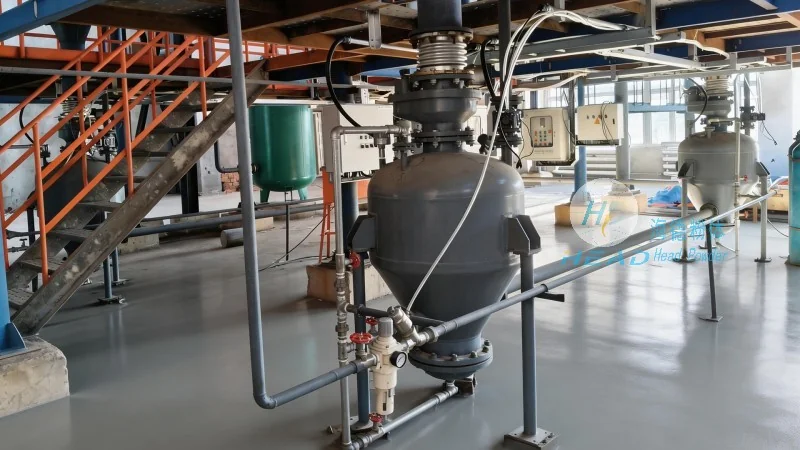
Large-scale material handling conveyors are critical components in modern industrial operations, serving as the backbone for efficient material movement across various sectors. These systems are designed to handle substantial volumes of goods, enabling seamless transportation from one point to another within a facility or across multiple locations. Understanding the core concepts and design principles behind such conveyors is essential for optimizing workflow, reducing operational costs, and enhancing overall productivity.
Introduction to Large-Scale Material Handling Conveyors
Large-scale material handling conveyors, often referred to as bulk material handling systems, are engineered to transport large quantities of materials, including raw materials, finished products, and waste. Unlike small-scale conveyors, these systems are built to accommodate heavy loads and high throughput, making them indispensable in industries like manufacturing, logistics, mining, and agriculture. The primary goal of these conveyors is to streamline material flow, minimize manual labor, and improve safety by automating the movement of goods.
Key Components of Large-Scale Material Handling Conveyors
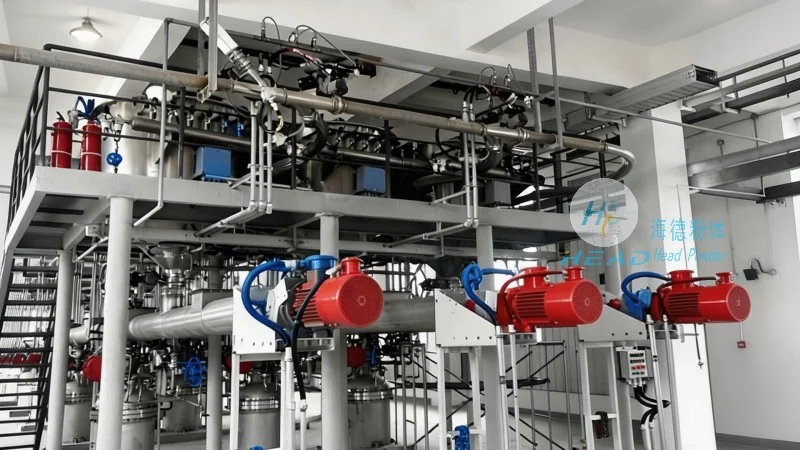
At the heart of any large-scale material handling conveyor system are several key components that work in tandem to ensure smooth operation. These components include the conveyor structure itself, which may be made of metal or other durable materials to support heavy loads; drive mechanisms, such as motors and pulleys, that provide the necessary power to move materials; and control systems that regulate the speed and direction of the conveyor. Additionally, many systems incorporate safety features, like emergency stop buttons and sensors, to prevent accidents and ensure compliance with safety regulations.
Design Principles for Large-Scale Material Handling Conveyors
The design of large-scale material handling conveyors is guided by several fundamental principles aimed at maximizing efficiency and reliability. One of the most critical principles is the need for a robust and durable structure that can withstand the weight and stress of continuous operation. Engineers often use materials like steel or reinforced plastic to construct the conveyor frame, ensuring longevity and minimal maintenance. Another key principle is the optimization of material flow, which involves designing the conveyor path to minimize distance and reduce the number of turns or changes in direction. This not only speeds up the transportation process but also reduces wear and tear on the system components.
HeadPowder's Expertise in Large-Scale Material Handling Solutions
Shandong HeadPowder Engineering Co., Ltd., a leading provider of material handling solutions, specializes in designing and manufacturing large-scale conveyors tailored to the specific needs of various industries. With years of experience in the field, HeadPowder has developed a deep understanding of the challenges faced by manufacturers and logistics operators, enabling them to create customized systems that enhance operational efficiency. The company's commitment to quality and innovation has earned it a reputation as a trusted partner in the material handling industry.
Applications of Large-Scale Material Handling Conveyors
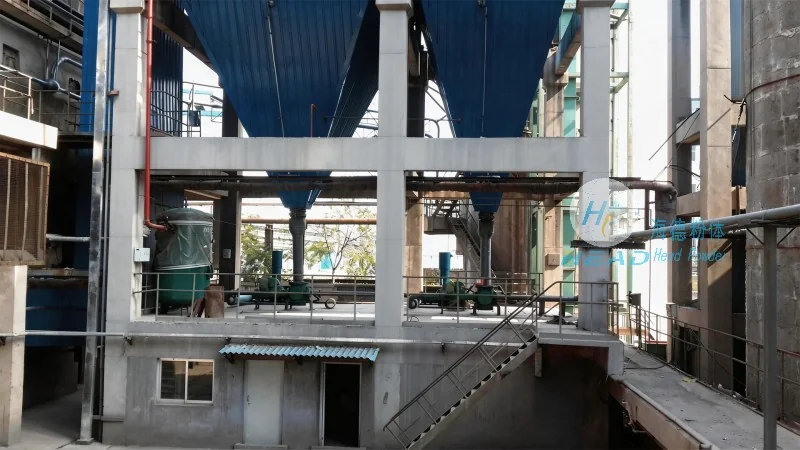
Large-scale material handling conveyors are used in a wide range of applications across different sectors. In manufacturing plants, they are commonly employed to transport raw materials to production lines and finished products to storage areas. In logistics and warehousing, these systems help streamline inventory management by moving goods between storage units and shipping docks. The mining industry also relies heavily on large-scale conveyors to transport ore and other minerals from extraction sites to processing facilities. Additionally, in agricultural settings, conveyors are used to move harvested crops and other agricultural products from fields to processing centers.
Benefits of Implementing Large-Scale Material Handling Conveyors
Adopting large-scale material handling conveyors offers numerous benefits that contribute to improved operational performance. One of the most significant advantages is the reduction in labor costs, as these systems automate the movement of materials, reducing the need for manual handling. This not only saves money but also improves workplace safety by minimizing the risk of injuries associated with manual lifting and moving. Another key benefit is the increase in throughput and productivity, as conveyors can move materials at a consistent and high rate, allowing for faster production cycles and quicker order fulfillment. Furthermore, large-scale conveyors help reduce operational costs by minimizing energy consumption and maintenance requirements through their efficient design and durable construction.
Conclusion
Large-scale material handling conveyors are essential tools for modern industrial operations, providing efficient and reliable transportation of materials. By understanding the design principles and components of these systems, businesses can make informed decisions about implementing such solutions to enhance their workflow and productivity. With the expertise of companies like Shandong HeadPowder Engineering Co., Ltd., organizations can access high-quality, customized conveyors that meet their specific needs and contribute to long-term success in their respective industries.