

What is an Embolism-type Material Conveying Line? And What Are Its Design Principles?
An embolism-type material conveying line is a specialized industrial system engineered for the efficient and controlled transport of bulk materials. This type of conveyor system is particularly effective in applications where materials need to be moved with precision, often under conditions that require minimal product degradation or contamination. The design of such systems is tailored to meet specific operational requirements, ensuring reliability and efficiency in material handling processes.
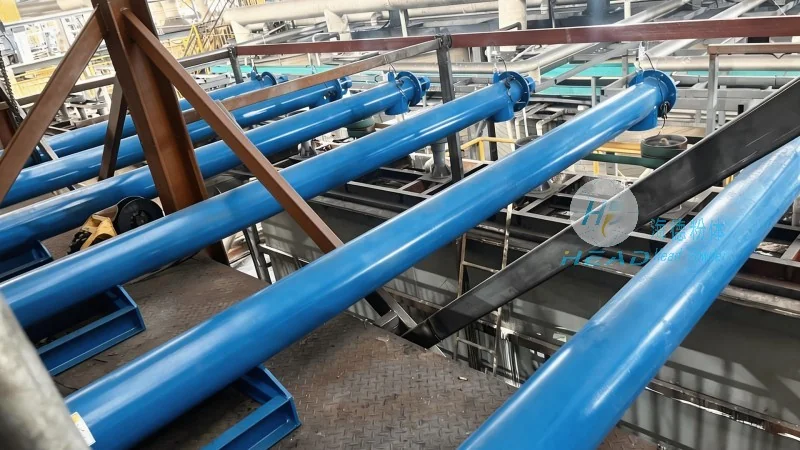
Key Components of Embolism-type Material Conveying Lines
The core components of an embolism-type material conveying line typically include a series of interconnected mechanisms that work in tandem to move materials from one point to another. These components may include feed hoppers, conveyor belts or rollers, control valves, and sometimes pneumatic or hydraulic systems to regulate the flow. Each component is engineered to handle the specific characteristics of the material being transported, such as particle size, density, and moisture content. The system is designed to minimize friction and ensure smooth material movement, which is crucial for maintaining product integrity.
Design Principles Underpinning Embolism-type Conveying Systems
The design principles of an embolism-type material conveying line are centered on several key factors that ensure optimal performance. First, the system is engineered for high efficiency, with minimal energy consumption while maintaining consistent material flow rates. Second, it prioritizes durability and longevity, using robust materials and construction techniques to withstand the rigors of continuous operation in industrial settings. Third, the design incorporates safety features to prevent material blockages or system failures, which could lead to operational disruptions. Additionally, the system is designed for easy maintenance and cleaning, which is essential for maintaining hygiene standards, especially in industries dealing with food or pharmaceutical products.
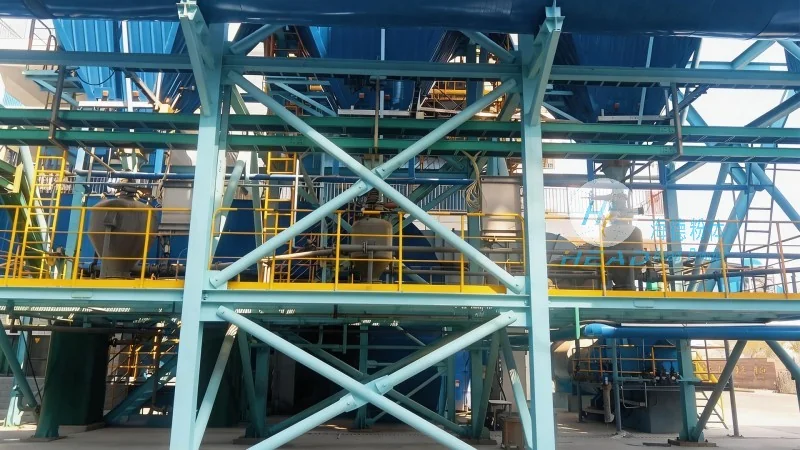
Application Scenarios and Operational Benefits
Embolism-type material conveying lines are widely used in various industries, including food processing, pharmaceutical manufacturing, and chemical processing. In these applications, the system's ability to handle fine powders or granules without clogging or segregation is highly valued. The controlled movement of materials reduces the risk of product contamination and ensures consistent quality. Furthermore, the system's design allows for integration with other processing equipment, such as mixers or packaging machines, creating a seamless production line. The operational benefits extend to improved productivity, reduced labor costs, and enhanced safety in the workplace.
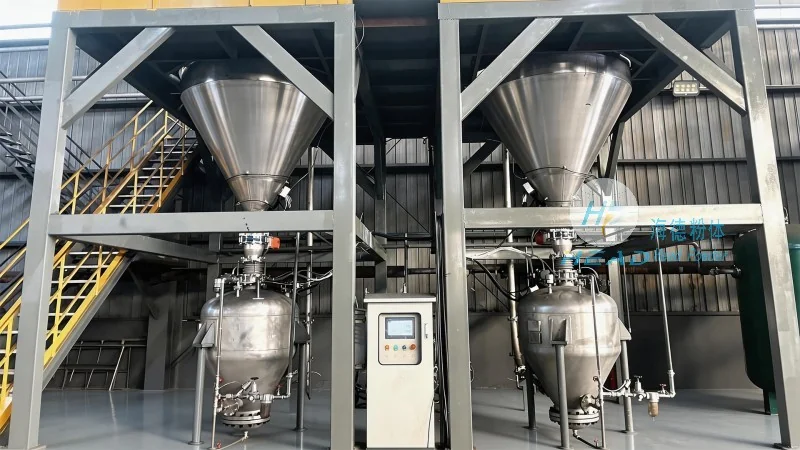
Customization and Adaptability in Design
One of the significant advantages of embolism-type material conveying lines is their adaptability to different production needs. Manufacturers often offer customization options to suit specific material characteristics and operational requirements. This may include adjusting the conveyor speed, modifying the hopper size, or incorporating additional features like material sensors or automatic shut-off mechanisms. The ability to tailor the system to individual needs ensures that it can be integrated effectively into existing production lines without major modifications. Customization also allows for the optimization of material flow, reducing bottlenecks and improving overall system performance.
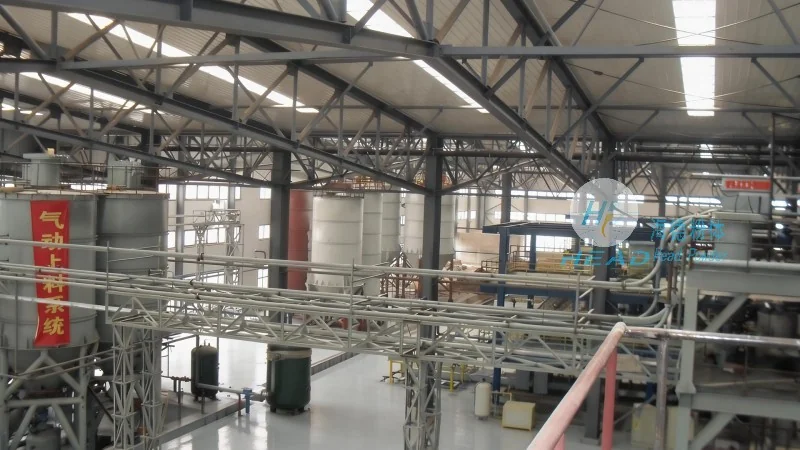
Maintenance and Longevity Considerations
Proper maintenance is crucial for the longevity and reliability of an embolism-type material conveying line. Regular inspections and cleaning are necessary to prevent the buildup of material residues, which can affect the system's performance. The use of high-quality materials in construction, such as stainless steel for food processing applications, helps to maintain hygiene standards and extend the life of the equipment. Additionally, the system's design facilitates easy access to components for maintenance, reducing downtime during servicing. Shandong HeadPowder Engineering Co., Ltd., based in China, provides comprehensive maintenance services and support to ensure that the system operates at peak efficiency throughout its service life.
Conclusion: The Importance of Understanding Embolism-type Conveying Systems
In conclusion, an embolism-type material conveying line is a sophisticated industrial solution designed to meet the demanding requirements of modern material handling. Its design principles, which focus on efficiency, durability, and safety, make it an essential component in various industries. The ability to customize and adapt the system to specific needs further enhances its utility. By understanding the design and operational aspects of such systems, businesses can make informed decisions about integrating them into their production processes, leading to improved productivity and product quality. Shandong HeadPowder Engineering Co., Ltd., with its expertise in engineering and manufacturing, plays a vital role in providing reliable and efficient material conveying solutions for industries worldwide.