

How to Prevent Pipeline Blockages in Pneumatic Conveying Systems for Wool Transport? Key Design Para
Wool processing is a critical industry, and the efficient transport of wool from collection to processing facilities is essential for maintaining quality and productivity. Pneumatic conveying systems have become a popular choice for this application due to their ability to handle bulk materials like wool with minimal manual intervention. However, one of the primary challenges in using these systems is the risk of pipeline blockages, which can lead to downtime, increased maintenance costs, and potential damage to the equipment. Understanding and implementing the right design parameters are crucial to mitigate these risks and ensure smooth operation. This article explores effective strategies to prevent pipeline blockages in pneumatic conveying systems specifically designed for wool transport, while highlighting key design considerations that engineers and operators should prioritize. The insights provided are based on the expertise of Shandong HeadPowder Engineering Co., Ltd., a leading provider of pneumatic conveying solutions in China, with operations based in Shandong Province.
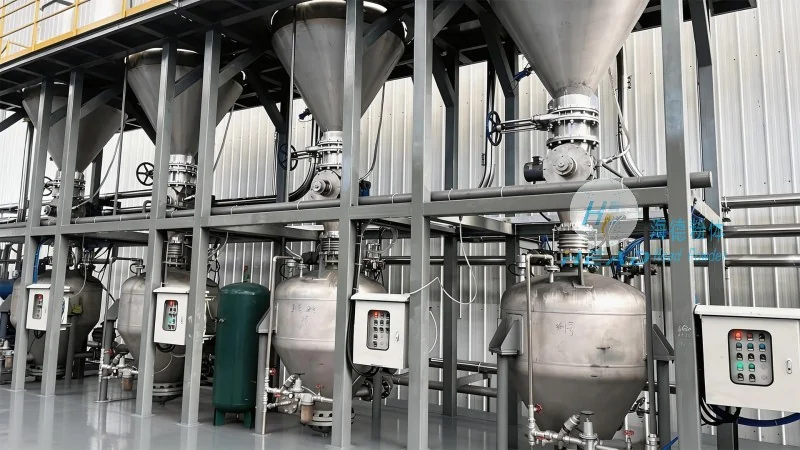
Understanding the Challenges of Wool Transport in Pneumatic Systems
Wool is a fibrous material with unique characteristics that can affect the performance of pneumatic conveying systems. Unlike granular materials, wool fibers are long, flexible, and can easily agglomerate or form clumps when exposed to air currents. These physical properties make it more susceptible to sticking to the inner walls of the pipeline, leading to blockages. Additionally, the varying moisture content and impurities in raw wool can further complicate the conveying process. The key to preventing blockages lies in addressing these challenges through appropriate system design and operational practices.
Key Design Parameters for Preventing Pipeline Blockages in Wool Conveying
Several critical design parameters must be considered when designing a pneumatic conveying system for wool transport. These parameters are directly related to the material's properties and the system's ability to maintain a consistent, unobstructed flow. The first and most important parameter is the air velocity. The velocity of the air stream must be high enough to overcome the gravitational force and frictional resistance of the wool fibers but not so high that it causes excessive wear on the pipeline or equipment. For wool, a typical air velocity range is between 20 to 30 meters per second (m/s) in the conveying line. This range ensures that the fibers are carried efficiently without settling or adhering to the pipe walls.
Another crucial parameter is the pipeline diameter. The diameter of the conveying line plays a significant role in maintaining a stable flow. Smaller diameters increase the risk of blockages as the wool fibers have less space to move freely, making it easier for them to accumulate and form a plug. Conversely, excessively large diameters can lead to higher energy consumption and reduced efficiency. For wool, a common pipeline diameter is 100 to 150 millimeters (mm), which balances the need for sufficient space to prevent blockages while maintaining reasonable energy costs.
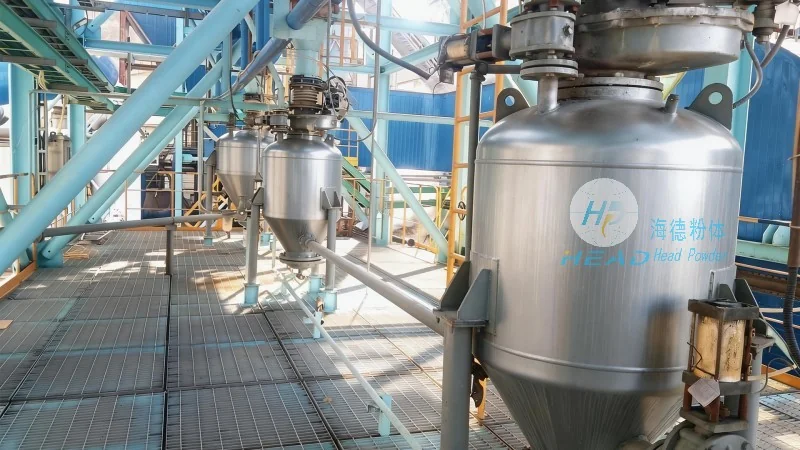
The system pressure is also a critical design factor. Pneumatic conveying systems can operate under either positive or negative pressure. Positive pressure systems (where air is blown into the material) are often preferred for wool transport as they can handle longer distances and more complex layouts. The pressure must be sufficient to maintain the air velocity required for effective conveying but not excessive, which could cause the wool to be expelled too forcefully and potentially damage downstream equipment. A typical operating pressure for wool conveying is between 0.5 to 1.0 bar above atmospheric pressure.
The material feed rate is another important parameter that affects blockage risk. The feed rate must be matched to the system's capacity and the air velocity. If the feed rate is too high relative to the air velocity, the wool fibers may not be fully entrained, leading to uneven flow and increased blockage potential. Conversely, a low feed rate may not fully utilize the system's capacity but reduces the risk of overloading. Proper control of the feed rate, often through automated feeders, is essential to maintain a consistent and stable flow.
Material Handling and Equipment Design Considerations
In addition to the system parameters, the design of the equipment used to handle wool also impacts the risk of blockages. The inlet and discharge points are critical areas where blockages often occur. The inlet should be designed to ensure that the wool is properly introduced into the air stream without creating turbulence or pockets where fibers can accumulate. A well-designed inlet, such as a venturi or a rotary valve, helps to maintain a smooth flow. Similarly, the discharge point should be equipped with a suitable valve or hopper to prevent the wool from backing up and causing a blockage.
The pipeline material itself is another consideration. Wool is abrasive and can cause wear on the pipeline over time. Using materials like stainless steel or high-grade plastic that are resistant to abrasion and corrosion is recommended. The inner surface of the pipeline should be smooth to reduce friction and prevent the wool fibers from adhering to the walls. Regular cleaning and maintenance of the pipeline are also necessary to remove any accumulated debris that could contribute to blockages.
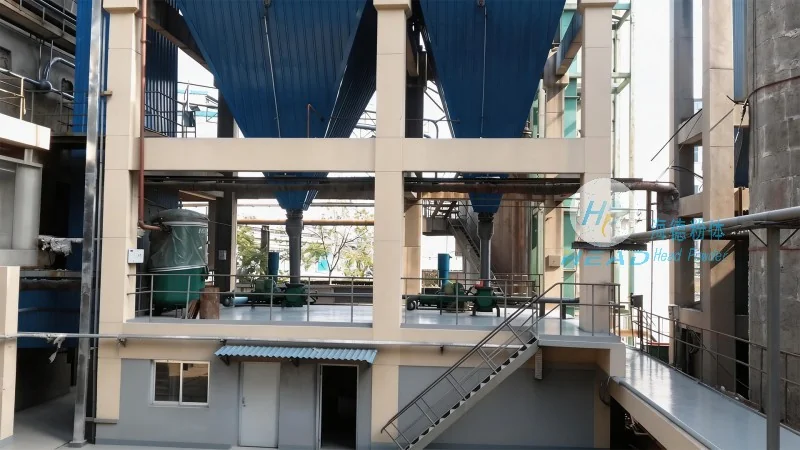
Operational Practices to Minimize Blockages
While proper design is essential, operational practices also play a significant role in preventing pipeline blockages. Regular monitoring of the system's performance is crucial. Operators should be trained to recognize early signs of potential blockages, such as a drop in air pressure or an increase in noise from the system. Immediate action, such as adjusting the feed rate or increasing the air velocity, can prevent a minor issue from escalating into a major blockage.
Periodic maintenance is another key operational practice. This includes cleaning the pipeline, checking for wear and tear on components, and replacing any worn parts before they fail. The use of filters and separators to remove dust and debris from the wool before it enters the conveying system can also reduce the risk of blockages by preventing foreign materials from accumulating in the pipeline.
Conclusion
Preventing pipeline blockages in pneumatic conveying systems for wool transport requires a combination of proper system design and diligent operational practices. By focusing on key design parameters such as air velocity, pipeline diameter, system pressure, and material feed rate, engineers can create a system that efficiently handles wool while minimizing the risk of blockages. Additionally, the selection of appropriate equipment materials and regular maintenance can further enhance system reliability. For businesses in the wool processing industry, investing in a well-designed pneumatic conveying system and adhering to best practices can lead to significant improvements in productivity and cost savings over time.