

How to Prevent Pipe Blockages in Pneumatic Conveying Systems for Wheat Transportation? Key Design Pa
For agricultural operations dealing with bulk materials like wheat, the efficiency and reliability of material handling systems are paramount. Pneumatic conveying systems have emerged as a critical solution for transporting wheat from storage facilities to processing plants or silos. However, a common challenge in such systems is the risk of pipe blockages, which can lead to operational downtime, increased maintenance costs, and potential damage to equipment. Understanding how to prevent these blockages and the key design parameters involved is essential for optimizing the performance of pneumatic conveying systems in wheat transportation.
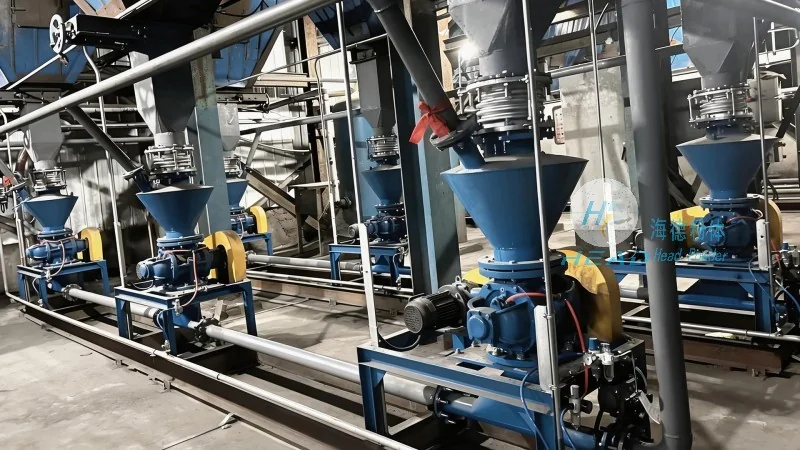
Understanding the Risks of Pipe Blockages in Wheat Conveying
Pipe blockages in pneumatic conveying systems for wheat can occur due to several factors, including the physical properties of wheat grains, the design of the conveying system, and operational conditions. Wheat, being a granular material with varying moisture content and particle size, can agglomerate or form clumps when subjected to high pressure or low air velocity. These clumps can then travel through the pipeline, causing blockages that impede the flow of material and air. Additionally, the presence of foreign objects, such as dust, debris, or even moisture, can exacerbate the risk of blockages by creating additional points of friction or obstruction within the pipeline.
Key Design Parameters to Prevent Pipe Blockages
Effective prevention of pipe blockages in pneumatic conveying systems for wheat relies on a combination of proper system design and operational strategies. Several critical design parameters must be considered to ensure smooth and continuous material flow:
1. Air Velocity and Flow Rate
One of the most fundamental parameters in pneumatic conveying is the air velocity within the pipeline. Maintaining an appropriate air velocity is crucial to prevent wheat particles from settling or agglomerating. For wheat, a typical air velocity range of 20 to 30 meters per second (m/s) is recommended to ensure that the material remains suspended and moves efficiently through the system. The flow rate of air, which is directly related to the conveying capacity, must also be optimized to match the volume of wheat being transported. Insufficient air velocity can lead to material deposition, while excessive velocity may cause excessive wear on the pipeline and increase energy consumption.
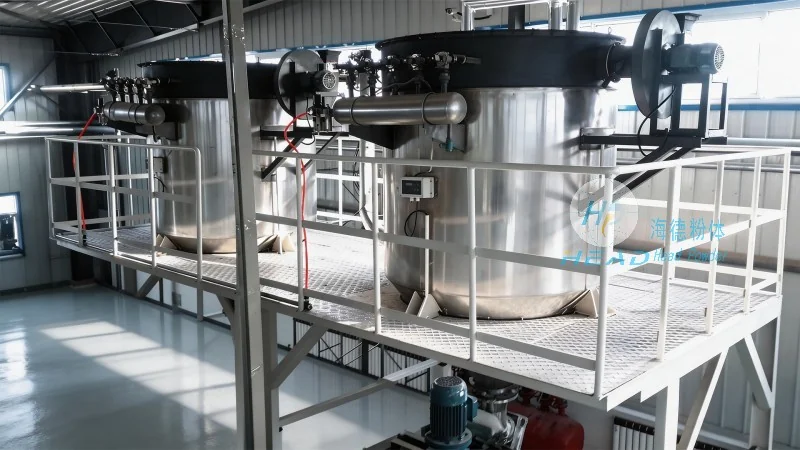
2. Pipeline Sizing and Layout
The diameter and length of the pipeline, as well as the overall layout of the conveying system, play a significant role in preventing blockages. Larger diameter pipelines reduce the risk of friction and pressure drop, allowing for smoother material flow. However, overly large pipelines may increase costs and require more space. The layout should also minimize sharp turns and bends, as these can cause changes in air velocity and pressure, leading to material accumulation. Smooth transitions and gradual bends are preferred to maintain consistent flow conditions and prevent the formation of vortices that could trap wheat particles.
3. Material Handling and Conditioning
Pre-treatment of wheat before it enters the pneumatic conveying system can significantly reduce the risk of blockages. Conditioning the wheat, such as by adjusting moisture content or adding anti-caking agents, can improve its flowability and prevent agglomeration. Additionally, proper screening and cleaning of wheat to remove foreign objects can reduce the likelihood of obstructions in the pipeline. Implementing a pre-conveying hopper or feeder that evenly distributes the wheat into the system can also help maintain consistent flow rates and prevent surges that may lead to blockages.
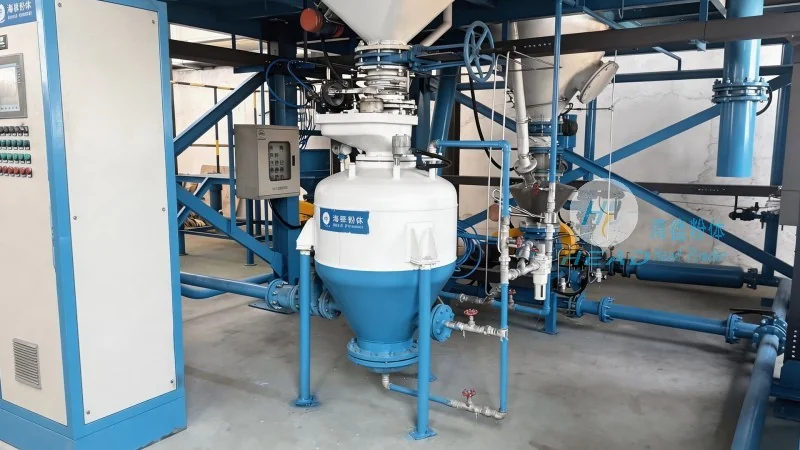
4. System Pressure and Air Compressor Selection
The pressure of the air supplied by the compressor is another critical design parameter. Higher pressure can increase the conveying capacity but may also lead to higher energy costs and increased risk of blockages if not properly managed. The selection of an appropriate air compressor, such as a positive displacement or centrifugal type, depends on the required pressure and flow rate. Regular maintenance of the compressor and associated components is essential to ensure consistent performance and prevent issues that could affect the conveying system.
5. Cleaning and Maintenance Protocols
Even with optimal design, regular cleaning and maintenance are necessary to prevent long-term blockages. Implementing a routine cleaning schedule, such as using air blasts or mechanical scrapers to clear the pipeline, can help remove accumulated material and prevent the formation of hard deposits. Monitoring system performance through pressure sensors and flow meters can provide early indicators of potential blockages, allowing for timely intervention. Additionally, using materials that are resistant to corrosion and wear, such as stainless steel or coated pipelines, can extend the lifespan of the system and reduce the risk of blockages caused by material degradation.
Conclusion
Preventing pipe blockages in pneumatic conveying systems for wheat transportation is a multifaceted challenge that requires careful consideration of several key design parameters. By optimizing air velocity and flow rate, ensuring proper pipeline sizing and layout, conditioning the material, selecting appropriate air compressors, and implementing regular cleaning and maintenance protocols, agricultural operations can significantly improve the efficiency and reliability of their material handling systems. The expertise of companies like Shandong HeadPowder Engineering Co., Ltd. in designing and implementing pneumatic conveying solutions tailored to the specific needs of wheat transportation can provide valuable insights and support in achieving these goals.