

Preventing Pipeline Blockages in Pneumatic Conveying Systems for Paint: Key Design Parameters
When it comes to transporting paint using pneumatic conveying systems, preventing pipeline blockages is a critical challenge. The viscosity, moisture content, and solid particle size of paint can all contribute to clogging issues if the system is not properly designed. This article explores the key design parameters that ensure efficient and uninterrupted paint transport while minimizing the risk of blockages.
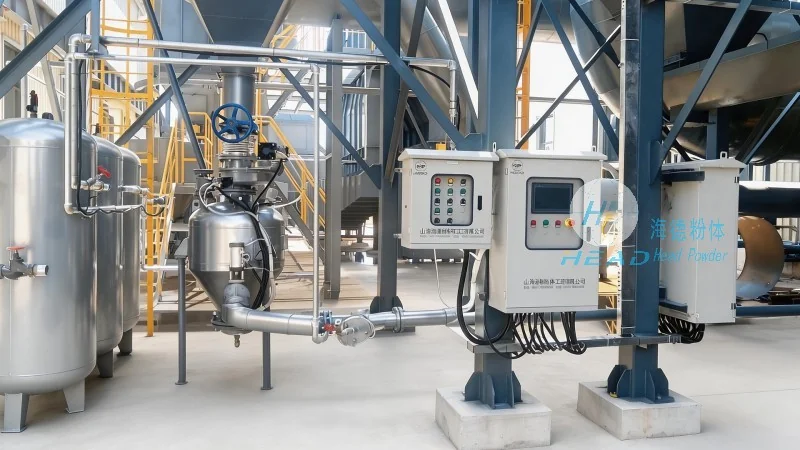
About Shandong HeadPowder Engineering Co., Ltd.
Shandong HeadPowder Engineering Co., Ltd., commonly known as HeadPowder, is a leading provider of pneumatic conveying solutions tailored for the paint industry. With years of experience in engineering and manufacturing, HeadPowder specializes in designing systems that address the unique challenges of paint transport, including the prevention of pipeline blockages. The company’s expertise lies in optimizing system components to ensure reliable operation and longevity.
Key Design Parameters for Preventing Pipeline Blockages in Pneumatic Conveying Systems
The effectiveness of a pneumatic conveying system in preventing paint pipeline blockages hinges on several critical design parameters. These parameters are carefully selected to match the specific characteristics of the paint being transported, ensuring optimal flow and system performance.
First, the selection of the conveying air velocity is paramount. Higher air velocities can help maintain the paint in a suspended state, reducing the likelihood of particle settling and subsequent blockages. However, excessively high velocities may increase energy consumption and wear on system components. HeadPowder engineers typically recommend air velocities ranging from 20 to 30 meters per second for most paint applications, depending on the paint's viscosity and particle size.
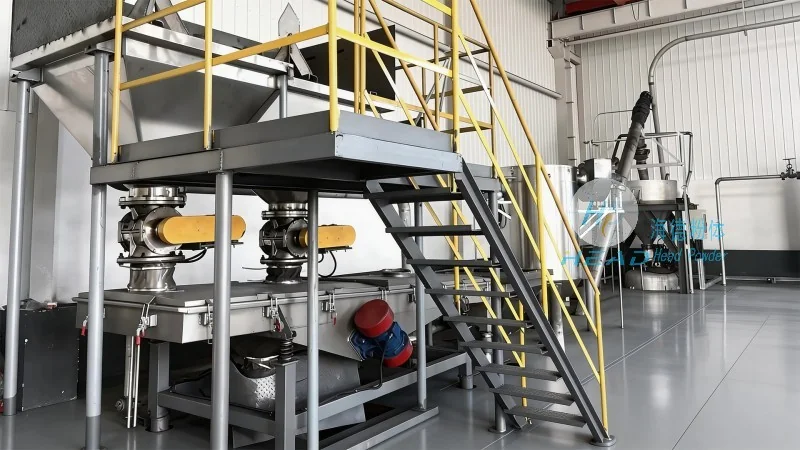
Second, the system's pressure and flow rate are crucial. Maintaining consistent pressure ensures that the paint remains in a fluid state and moves smoothly through the pipeline. HeadPowder systems are equipped with advanced pressure control mechanisms that adjust flow rates dynamically, preventing pressure drops that could lead to clogs. The use of positive displacement blowers or rotary lobe pumps, as recommended by HeadPowder, provides stable pressure and flow, minimizing fluctuations that contribute to blockages.
Third, the design of the pipeline itself plays a significant role. The use of smooth, corrosion-resistant materials such as stainless steel or PTFE-coated pipes reduces friction and the accumulation of paint residue. HeadPowder systems often incorporate gentle bends and curves with radii that prevent paint particles from adhering to the pipe walls. Additionally, the inclusion of cleaning mechanisms, such as air knives or rotary sweepers, allows for regular maintenance and removal of any buildup, ensuring long-term system reliability.
Fourth, the choice of air filtration and separation equipment is essential. Proper separation of paint particles from the conveying air prevents the accumulation of solids in the system, which can lead to blockages over time. HeadPowder employs high-efficiency cyclones and bag filters that effectively capture paint particles, ensuring clean air is returned to the system and preventing contamination of downstream equipment.
Fifth, the integration of monitoring and control systems enhances the prevention of blockages. Real-time monitoring of pressure, flow, and temperature allows operators to detect anomalies early. HeadPowder's systems include advanced sensors and control panels that alert personnel to potential issues, enabling immediate intervention to prevent blockages from developing into more severe problems.
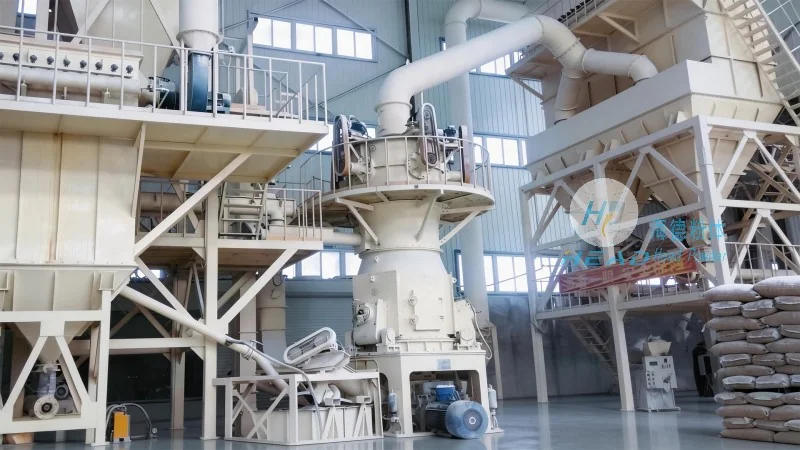
Optimizing System Components for Reliable Paint Transport
HeadPowder's pneumatic conveying systems are designed with a focus on optimizing each component to minimize the risk of pipeline blockages. For example, the use of flexible hoses and connectors allows for easy maintenance and replacement of worn parts, reducing downtime. The company also emphasizes the importance of proper material handling, including the use of pre-screening equipment to remove large debris before paint enters the conveying system. This pre-processing step prevents oversized particles from entering the pipeline and causing blockages.
Furthermore, HeadPowder incorporates self-cleaning features into its systems. For instance, some models include automatic air blowers that periodically purge the pipeline, preventing the buildup of paint residue. This proactive approach to maintenance ensures that the system remains clear and operational, even during extended periods of use.
Conclusion: Ensuring Efficient and Uninterrupted Paint Transport with HeadPowder Systems
Preventing pipeline blockages in pneumatic conveying systems for paint transport requires a comprehensive approach that considers the specific characteristics of the paint and the system's design. By focusing on key parameters such as air velocity, pressure control, pipeline design, filtration, and monitoring, companies like Shandong HeadPowder Engineering Co., Ltd. can provide reliable solutions that ensure efficient paint transport and minimize downtime. HeadPowder's expertise in engineering and manufacturing ensures that their systems are tailored to meet the unique needs of the paint industry, offering long-term performance and durability.