

Technical Analysis of Pneumatic Conveying Systems for Lithium Battery Materials: A Comparison of Pos
For the processing and handling of lithium battery materials, the selection of an appropriate material conveying system is crucial to ensure efficiency, safety, and product quality. Pneumatic conveying systems have become a popular choice due to their ability to transport powders and granules in a closed environment, minimizing dust and contamination. Among the various pneumatic conveying technologies, the choice between positive pressure and negative pressure modes significantly impacts system performance, cost, and operational requirements. This article provides a technical analysis of these two modes, focusing on their applications in the lithium battery material industry, and highlights the key considerations for selecting the most suitable system.
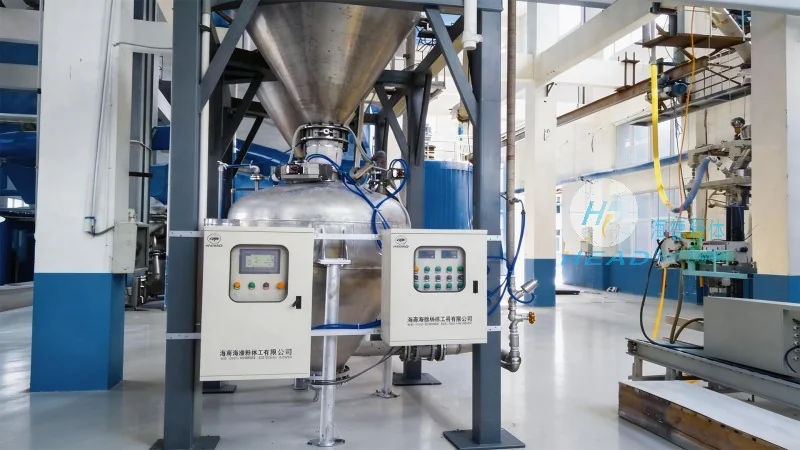
Introduction to Pneumatic Conveying Systems in Lithium Battery Materials Processing
Lithium battery materials, including lithium carbonate, lithium hydroxide, and various precursors like nickel, cobalt, manganese, and graphite, are critical components in the production of high-performance batteries. These materials are typically in powder or granular form, requiring efficient and reliable transport from storage silos to processing equipment, such as mixers, classifiers, and reactors. Pneumatic conveying systems offer a flexible and effective solution for this purpose, as they can handle a wide range of particle sizes and flow rates while maintaining a controlled environment. The two primary modes of pneumatic conveying—positive pressure and negative pressure—differ in how they generate the air flow to move the material, each with distinct advantages and limitations.
Positive Pressure Pneumatic Conveying Mode
Positive pressure conveying systems operate by generating air flow using a positive pressure blower or fan at the material inlet. The system pressurizes the entire conveying line, forcing air and material through the pipeline. This mode is often referred to as "pressure-fed" or "pressure-type" conveying. In the context of lithium battery materials, positive pressure systems are commonly used for short to medium-distance transport, typically up to several hundred meters. The positive pressure approach ensures that the conveying line is always under pressure, preventing external air from entering and reducing the risk of dust leakage. This feature is particularly important for handling sensitive materials that are prone to moisture absorption or oxidation.
One of the key advantages of positive pressure conveying is its ability to handle high material loads and maintain consistent flow rates. The pressurized system can transport larger quantities of material with less energy consumption compared to negative pressure systems, especially over longer distances. Additionally, positive pressure systems are generally more suitable for abrasive or corrosive materials, as the high-pressure air helps to maintain the integrity of the conveying line and prevent material buildup. However, the main drawback of this mode is the higher initial cost and energy consumption associated with the positive pressure blower. The system also requires more robust sealing and maintenance to prevent air leakage, which can lead to increased operational costs over time.
Negative Pressure Pneumatic Conveying Mode
Negative pressure conveying systems, also known as "suction" or "vacuum" conveying, operate by creating a vacuum at the material discharge point. The system draws air and material from the source, using a vacuum pump to create the negative pressure. The material is then transported through the pipeline to the discharge point, where the air is filtered and the material is collected. This mode is typically used for longer-distance transport, often exceeding several hundred meters, and is particularly effective for handling fine powders that are prone to clogging or bridging in the conveying line.
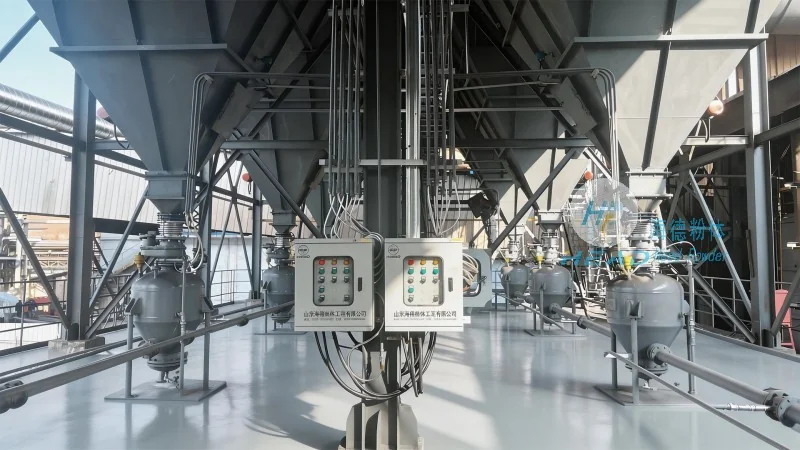
A significant advantage of negative pressure conveying is its lower initial cost compared to positive pressure systems, as it does not require a high-pressure blower. The system is also more energy-efficient for short-distance transport, as the vacuum pump can operate at lower power levels. Additionally, negative pressure systems are easier to install and maintain, as they do not require extensive sealing of the entire conveying line. However, the negative pressure mode has several limitations that make it less suitable for certain applications. The primary drawback is the risk of dust leakage and contamination, as the system operates under a vacuum, allowing external air to enter if the seals are compromised. This can be a critical issue for lithium battery materials, which are sensitive to moisture and impurities. Furthermore, negative pressure systems are generally less effective for handling high-volume or abrasive materials, as the vacuum can cause material to stick to the pipeline walls, leading to clogging and reduced efficiency.
Key Considerations for Selecting the Right Pneumatic Conveying Mode
When selecting between positive and negative pressure pneumatic conveying systems for lithium battery materials, several factors must be considered to ensure optimal performance and cost-effectiveness. The first and most critical factor is the distance between the material source and the processing equipment. Positive pressure systems are generally preferred for short to medium distances, while negative pressure systems are more suitable for longer distances. The material characteristics, such as particle size, density, and flowability, also play a significant role. Fine powders with high moisture content or abrasive properties are better suited for positive pressure systems, whereas cohesive or low-density materials may benefit from negative pressure conveying.
The system's energy consumption and operational costs are another important consideration. Positive pressure systems typically have higher energy requirements due to the high-pressure blower, but they offer better material handling efficiency over longer distances. Negative pressure systems, while more energy-efficient for short distances, may require more frequent maintenance due to the risk of dust leakage and clogging. The overall system cost, including initial investment and long-term maintenance, should be evaluated against the expected operational performance and material throughput. Additionally, the environmental and safety requirements of the facility must be considered. Positive pressure systems provide better containment of dust and are more suitable for applications where dust control is a priority, such as in cleanroom environments or areas with strict air quality regulations.
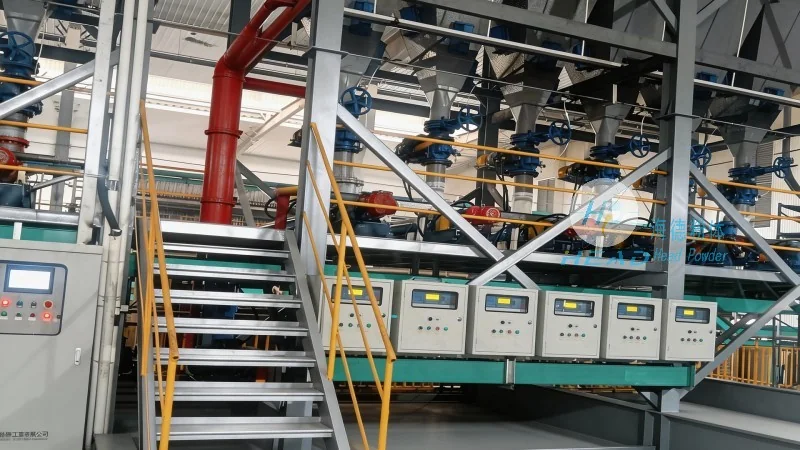
Application Examples in Lithium Battery Material Processing
Positive pressure conveying systems are widely used in the lithium battery material industry for applications such as transporting lithium carbonate from storage silos to mixing and classification equipment. The high-pressure air flow ensures that the material is conveyed efficiently without clogging, and the closed system maintains the material's purity and prevents contamination. For example, a positive pressure system may be used to transport 100 tons of lithium carbonate per hour over a distance of 200 meters to a mixer, with consistent flow rates and minimal dust generation.
Negative pressure conveying systems are often employed for longer-distance transport of fine precursors, such as nickel oxide or cobalt carbonate, from a raw material storage area to a processing plant. The vacuum pump creates a sufficient negative pressure to draw the material through the pipeline, even over distances of several hundred meters. This mode is particularly useful when the material source is located at a higher elevation than the processing equipment, as the vacuum can help to lift the material without the need for additional elevation changes. However, the system must be carefully designed to prevent dust leakage and ensure that the material does not stick to the pipeline walls, which could lead to clogging and reduced efficiency.
Conclusion and Recommendations
In conclusion, both positive and negative pressure pneumatic conveying modes offer viable solutions for transporting lithium battery materials, but their suitability depends on specific operational and material requirements. Positive pressure systems are generally more suitable for short to medium distances, high-volume material handling, and applications where dust control and material purity are critical. Negative pressure systems, on the other hand, are better suited for longer distances, fine powders, and applications where lower initial costs and easier installation are priorities. The choice between the two modes should be based on a thorough analysis of the material characteristics, transport distance, energy consumption, and overall system cost.
For companies in the lithium battery material industry, selecting the right pneumatic conveying system is essential to ensure efficient production, maintain product quality, and comply with environmental and safety regulations. By understanding the technical differences between positive and negative pressure modes and considering the specific requirements of their operations, manufacturers can make informed decisions that optimize their material handling processes. As the demand for lithium batteries continues to grow, the importance of reliable and efficient material conveying systems will only increase, making this technical analysis a valuable resource for industry professionals.