

Preventing Pipe Blockages in Pneumatic Conveying Systems for Soybean Meal: Key Design Parameters
In the agricultural and food processing sectors, soybean meal is a crucial raw material used in feed production and biodiesel manufacturing. However, the conveying process of soybean meal often faces the challenge of pipe blockages, which can impact production efficiency and increase maintenance costs. Pneumatic conveying systems serve as an efficient material handling method for soybean meal transport, yet effectively preventing pipe blockages becomes a critical issue. This article explores how pneumatic conveying systems prevent pipe blockages in soybean meal transport and introduces key design parameters related to this technology.
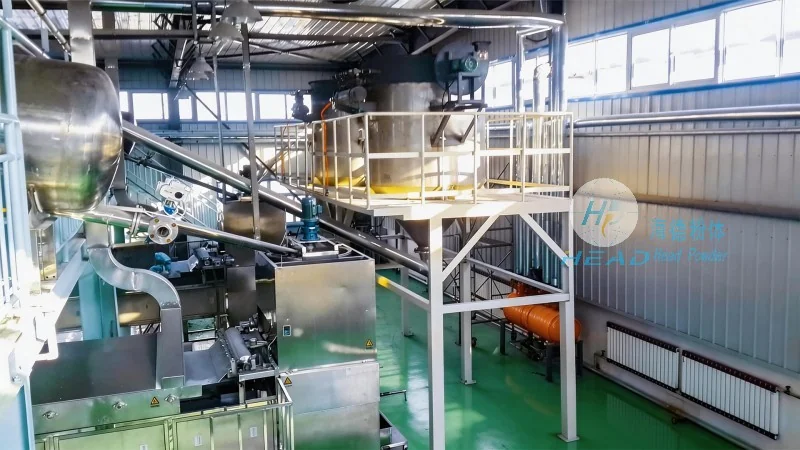
HeadPowder: Your Expert in Pneumatic Conveying Solutions
Shandong HeadPowder Engineering Co., Ltd., abbreviated as HeadPowder, is a professional company specializing in the research, development, and manufacturing of pneumatic conveying systems. Headquartered in Shandong, China, HeadPowder leverages years of industry experience and technical expertise to provide customized pneumatic conveying solutions globally. The company is committed to addressing common material handling issues, such as pipe blockages and system inefficiencies, ensuring stable and efficient operation of clients' production processes.
Understanding the Challenges of Soybean Meal Conveying
Soybean meal is a fine-grained material that typically has a large surface area and a certain degree of hygroscopicity. These characteristics make soybean meal prone to forming clumps during pneumatic conveying due to friction, static electricity, or excessive drying, leading to pipe blockages. Additionally, factors like pipe diameter, length, and system pressure directly affect the smoothness of material flow. Therefore, designing a reasonable pneumatic conveying system is essential for preventing pipe blockages.
Key Design Parameters for Preventing Pipe Blockages
In soybean meal pneumatic conveying systems, the following key design parameters are core elements for preventing pipe blockages, each requiring precise adjustment based on the physical properties of soybean meal and transport requirements:
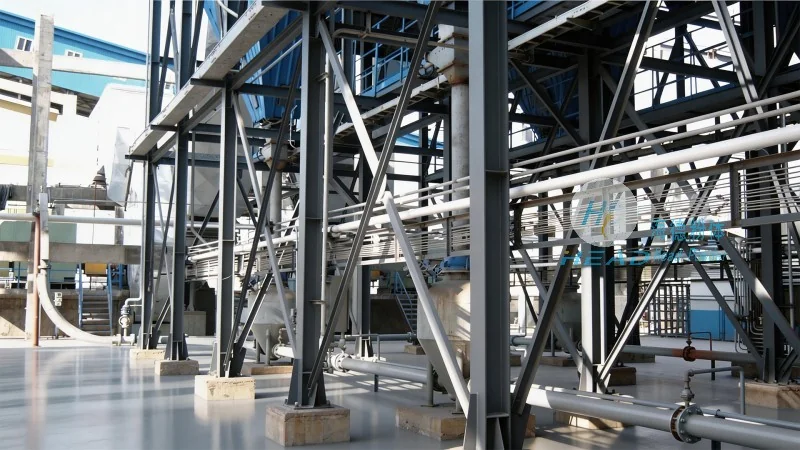
1. System Pressure and Air Velocity
System pressure and air velocity are critical factors affecting material transport efficiency. For fine-grained materials like soybean meal, a higher air velocity is generally needed to overcome inter-particle friction and ensure the material remains suspended in the pipeline. HeadPowder recommends setting an appropriate air velocity based on the particle size and density of soybean meal, typically ranging from 10 to 20 m/s. A low velocity can cause particle settlement and blockages, while an excessively high velocity may increase energy consumption and cause pipe wear. By precisely controlling system pressure, stable air velocity can be maintained, thus avoiding pipe blockages.
2. Pipe Diameter and Length
Pipe diameter and length directly influence the flow resistance of materials. A larger pipe diameter can reduce friction losses within the pipeline and lower the risk of blockages. Simultaneously, reasonable planning of pipe length avoids unnecessary bends and changes in diameter, reducing the likelihood of material accumulation. HeadPowder selects an appropriate pipe diameter (usually 50-200 mm) based on the transport volume, distance, and pipeline layout during system design. By optimizing the bending radius of pipes, the material is ensured to flow smoothly, preventing particle accumulation caused by sharp turns.
3. Material Characteristics and Moisture Content
The physical characteristics of soybean meal, particularly moisture content, significantly impact the performance of pneumatic conveying systems. Higher moisture content causes soybean meal particles to stick together, increasing the risk of blockages. Therefore, drying soybean meal before transport or selecting suitable conveying equipment (such as positive pressure pneumatic conveying systems) can effectively reduce blockage risks. HeadPowder's system design considers the moisture range of soybean meal, maintaining material dryness by adjusting air temperature and humidity or using heating devices, thereby enhancing the stability and reliability of the transport system.
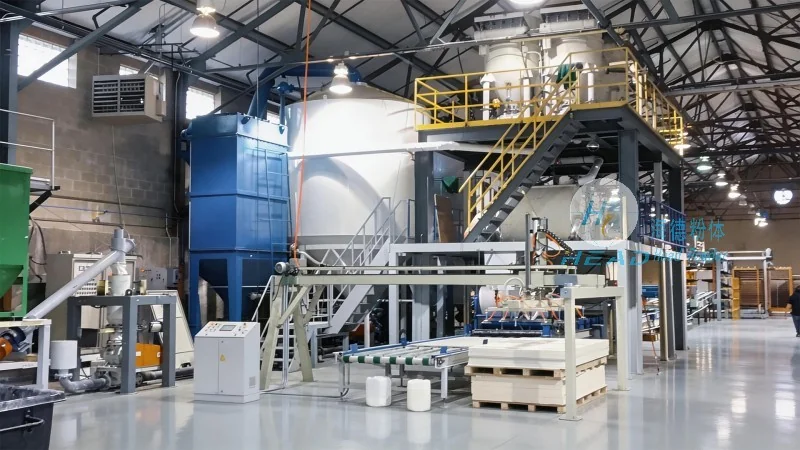
4. Air Conditioning and Filtration
The cleanliness and temperature control of air are also important for preventing pipe blockages. Impurities or dust can adhere to soybean meal particles, causing scaling on the inner walls of the pipeline and ultimately triggering blockages. HeadPowder's systems typically equip efficient air filters and dryers to ensure the cleanliness of the conveying air. Additionally, controlling air temperature prevents soybean meal from absorbing moisture due to temperature changes, maintaining material fluidity. Regular maintenance and filter cartridge replacement can maintain the good condition of the air system, reducing blockage risks.
5. System Layout and Bends
The layout design of the conveying system directly affects the material's flow path. A reasonable pipeline layout should minimize sharp turns and dead ends to ensure smooth material flow. HeadPowder adopts large-radius bends and gradual diameter changes in system design to reduce particle settlement speed at bends. At the same time, avoiding excessively long vertical upward pipes reduces particle accumulation due to gravity. By optimizing the system layout, the risk of pipe blockages can be effectively reduced, improving system operation efficiency.
Conclusion: Optimizing Pneumatic Conveying for Soybean Meal
Preventing pipe blockages in pneumatic conveying systems for soybean meal requires considering multiple factors such as system pressure, pipe dimensions, material characteristics, and system layout. Shandong HeadPowder Engineering Co., Ltd. leverages its professional technology and customized solutions to provide effective pneumatic conveying systems for different client needs. By precisely adjusting key design parameters, HeadPowder helps clients achieve efficient and stable soybean meal transport, reducing production interruptions and maintenance costs. For companies needing to address pipe blockage issues in soybean meal transport, selecting a professional pneumatic conveying system supplier is crucial, and HeadPowder is a trustworthy partner you can rely on.