

What is a Sodium Sulfate Material Handling Conveyor? And What Are Its Design Principles?
Sodium sulfate, commonly known as Glauber's salt or mirabilite, is a widely used chemical compound in various industrial applications. The efficient handling and transportation of this material are crucial for industrial processes, and specialized equipment like the sodium sulfate material handling conveyor has been developed to meet these needs. This article aims to explain what a sodium sulfate material handling conveyor is and delve into its design principles, providing a comprehensive understanding of this essential industrial equipment.
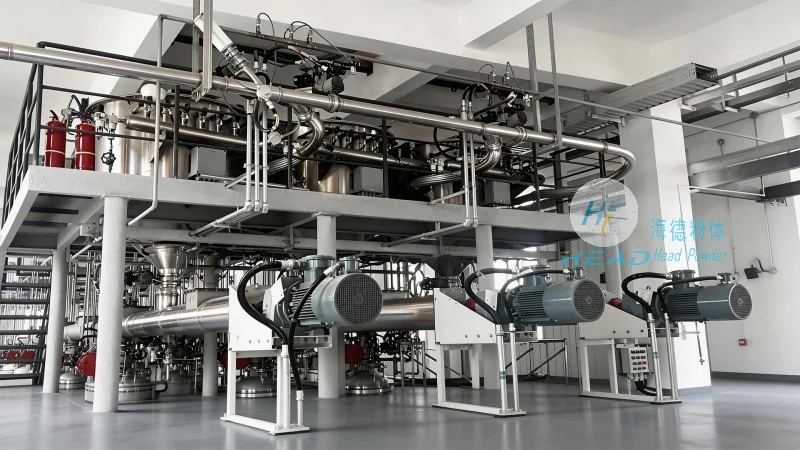
Understanding the Sodium Sulfate Material Handling Conveyor
The sodium sulfate material handling conveyor is a specialized type of conveyor system designed specifically for the transport of sodium sulfate, a white crystalline solid with the chemical formula Na₂SO₄. This conveyor is engineered to handle the unique physical and chemical properties of sodium sulfate, ensuring safe and efficient material movement within industrial facilities. The system typically consists of components such as a conveyor belt, drive mechanisms, supports, and control systems, all tailored to the demands of sodium sulfate handling. The primary function of this conveyor is to move sodium sulfate from one location to another within a production or processing plant, facilitating seamless integration into various industrial workflows.
Key Design Principles of the Conveyor System
The design of a sodium sulfate material handling conveyor is guided by several critical principles to ensure optimal performance, safety, and durability. These principles are tailored to the specific characteristics of sodium sulfate, including its crystalline structure, potential moisture absorption, and handling requirements. First, the conveyor belt material is selected to be resistant to chemical corrosion and abrasion caused by the sodium sulfate crystals. Common materials include high-quality rubber or specialized synthetic compounds that can withstand the chemical interactions with the material being transported. The belt's surface may also be treated with anti-static or non-stick coatings to prevent material buildup and ensure smooth movement.
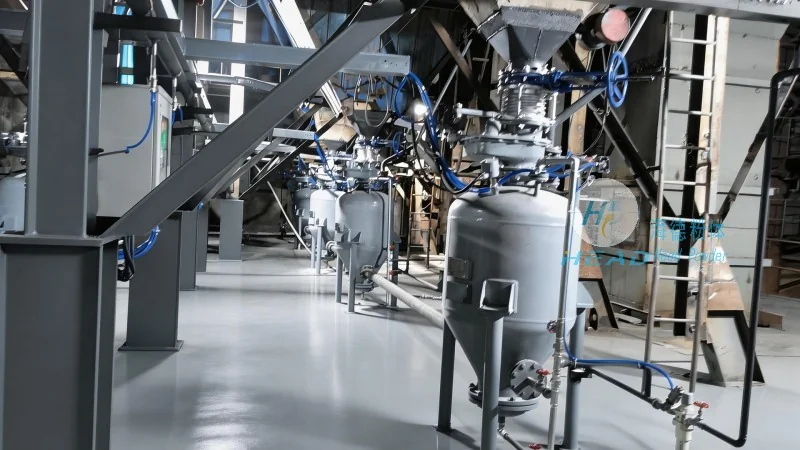
Second, the drive system is designed to provide consistent and reliable power transmission. Since sodium sulfate is often handled in bulk quantities, the conveyor requires a robust motor and gear system to maintain steady operation under load. Variable speed drives may be incorporated to adjust the conveyor speed based on the processing requirements, allowing for flexibility in material handling. The drive mechanism is typically enclosed to protect it from dust and moisture, which are common in industrial environments where sodium sulfate is processed.
Third, the support structure of the conveyor is engineered to handle the weight and potential impact of the sodium sulfate material. The frame is usually constructed from heavy-duty steel or aluminum, providing stability and durability. The supports are designed to distribute the load evenly, preventing sagging or misalignment of the conveyor belt. Additionally, the conveyor may include adjustable supports or leveling mechanisms to accommodate uneven floors or to maintain proper alignment over long distances.
Fourth, the control system is integrated to ensure safe and efficient operation. Sensors and controls are used to monitor the conveyor's performance, detect any malfunctions, and provide alerts when necessary. The system may include emergency stop buttons, overload protection, and speed control features to prevent accidents and equipment damage. The control panel is typically located in an accessible position, allowing operators to easily monitor and adjust the conveyor's operation as needed.
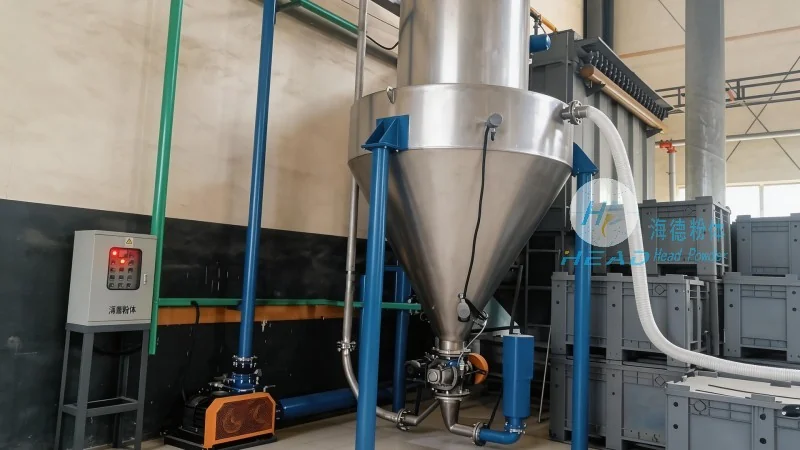
Applications and Benefits of the Conveyor
The sodium sulfate material handling conveyor is widely used in various industrial applications where sodium sulfate is processed or used as an ingredient. These applications include chemical manufacturing, food processing, pharmaceutical production, and water treatment. The conveyor's ability to handle sodium sulfate efficiently and safely makes it an essential component in these industries. The benefits of using this conveyor system include improved productivity, reduced labor costs, enhanced safety, and increased material handling capacity. By automating the movement of sodium sulfate, the conveyor helps to streamline industrial processes and improve overall operational efficiency.
About HeadPowder Engineering Co., Ltd.
HeadPowder Engineering Co., Ltd. is a leading manufacturer and supplier of industrial conveyor systems, including the sodium sulfate material handling conveyor. With years of experience in the industry, HeadPowder has developed a reputation for producing high-quality, reliable, and durable conveyor equipment tailored to the specific needs of its clients. The company is headquartered in Shandong, China, and serves customers worldwide with its innovative and efficient conveyor solutions. HeadPowder's commitment to quality and customer satisfaction has made it a trusted partner for many industrial facilities, providing them with the equipment they need to optimize their material handling processes.