

What is a Magnesium Silicate Material Conveying Line? And What Are Its Design Principles?
When it comes to industrial material handling, especially for specialized substances like magnesium silicate, understanding the appropriate conveying systems is crucial. A magnesium silicate material conveying line is a specialized setup designed to transport this particular material efficiently and safely. This article will explore what such a line entails and the underlying design principles that govern its operation, with insights from Shandong HeadPowder Engineering Co., Ltd., a leading manufacturer in the field.
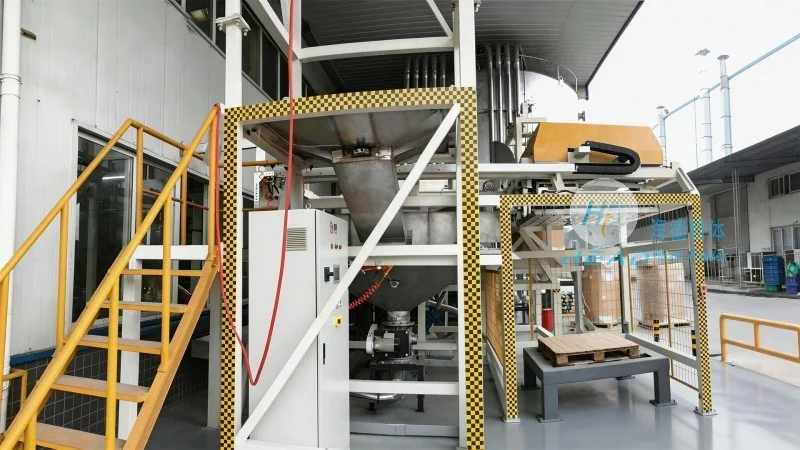
Understanding the Magnesium Silicate Material Conveying Line
A magnesium silicate material conveying line is a comprehensive system engineered to handle the transportation of magnesium silicate, a compound often used in various industrial applications including construction, manufacturing, and chemical processing. The line typically consists of several key components, including feeders, conveyors, control systems, and sometimes auxiliary equipment like hoppers or storage silos. The primary goal of this system is to ensure the material is moved from its source to its destination with minimal loss, maximum efficiency, and adherence to safety standards.
Key Components of the Conveying Line
The effectiveness of a magnesium silicate material conveying line largely depends on its integrated components. Each part plays a vital role in the overall operation. For instance, feeders are used to regulate the flow of material from the source, ensuring a consistent and controlled feed rate. Conveyors, which can be of various types such as belt conveyors, screw conveyors, or pneumatic conveyors, are responsible for the actual movement of the material through the system. Control systems, often equipped with sensors and automation technology, monitor the process and adjust parameters as needed to maintain optimal performance. Additionally, hoppers or storage silos may be included to temporarily hold the material before it is conveyed, providing a buffer and ensuring a steady supply.
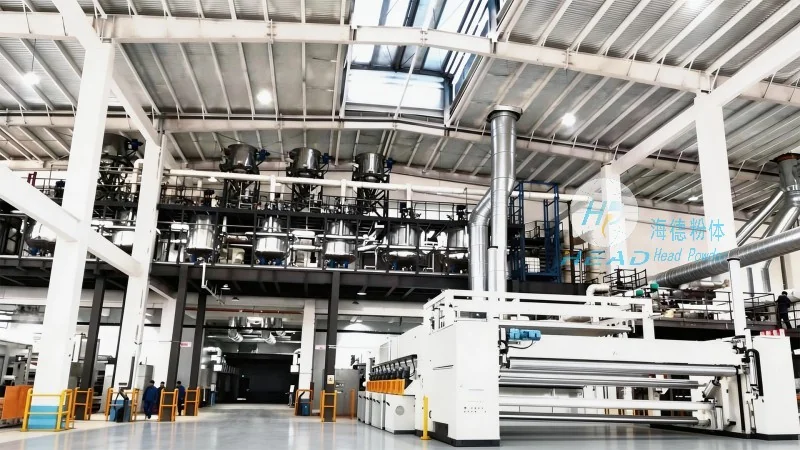
Design Principles for Efficient Material Handling
The design of a magnesium silicate material conveying line is guided by several fundamental principles aimed at maximizing efficiency and safety. One of the core principles is the minimization of material degradation. Since magnesium silicate can be sensitive to moisture or mechanical stress, the design must incorporate features that prevent such issues, such as sealed systems or gentle handling mechanisms. Another principle is energy efficiency. The system is designed to use the least amount of energy possible while still achieving the required throughput. This often involves selecting the right type of conveyor and optimizing the system layout to reduce friction and unnecessary movement. Furthermore, the design must prioritize safety, incorporating features like emergency stop mechanisms, dust control systems, and proper ventilation to protect both the material and the operators.
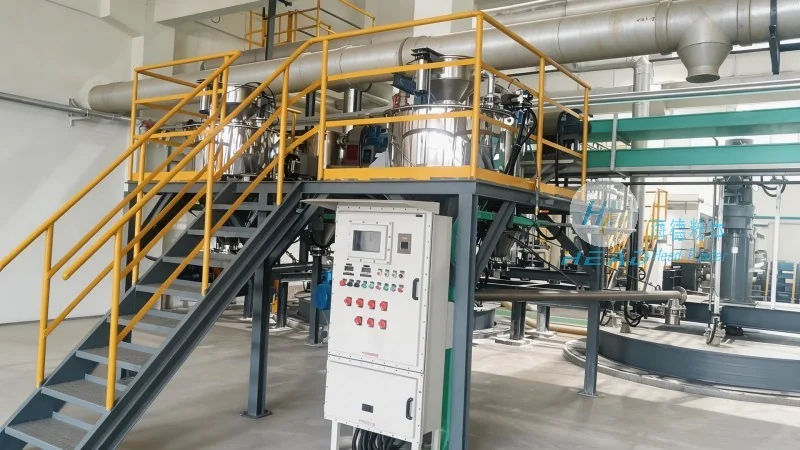
Application-Specific Considerations
The design of a magnesium silicate material conveying line is not one-size-fits-all. It must be tailored to the specific application and the characteristics of the material. For example, in construction applications where the material is used as a filler or additive, the conveying line might need to handle larger quantities and be more robust. In contrast, in chemical processing applications where the material is used as a catalyst or reagent, the line might need to incorporate more precise control mechanisms to ensure accurate dosing. The system's design also considers the environment in which it operates, such as indoor or outdoor settings, and the space available for installation. These factors all contribute to a customized solution that meets the unique needs of the user.
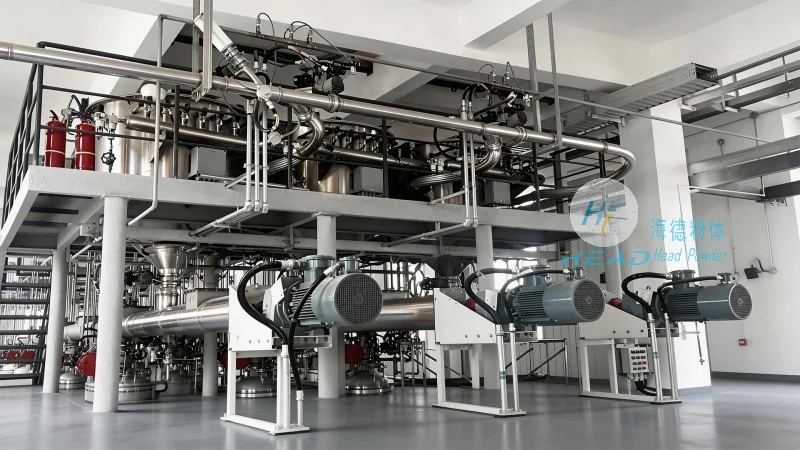
Maintenance and Operational Considerations
Ensuring the longevity and reliability of a magnesium silicate material conveying line requires proper maintenance and operational practices. Regular maintenance, including cleaning, lubrication, and inspection of components, is essential to prevent downtime and extend the life of the system. Operational considerations also include monitoring the system's performance metrics, such as throughput and energy consumption, to identify any inefficiencies or issues early on. Additionally, training operators on the proper use and maintenance of the equipment is crucial for safe and effective operation. By adhering to these practices, the conveying line can operate at peak performance, delivering consistent results over its service life.
Conclusion
A magnesium silicate material conveying line is a sophisticated and essential component in many industrial processes. Its design, which integrates various components and adheres to key principles, ensures the efficient and safe handling of this specialized material. By understanding the components, design principles, and operational considerations, industries can select and maintain an effective conveying system that meets their specific needs. As technology advances, these systems continue to evolve, offering improved efficiency and reliability for the transportation of magnesium silicate and other similar materials.