

What is a Limestone Material Conveyor System? What Are Its Design Principles?
When it comes to the efficient transportation of limestone in industrial and mining operations, understanding the role of a limestone material conveyor system is crucial. These systems are engineered to handle the bulk movement of limestone from extraction sites to processing facilities or storage areas, ensuring smooth and continuous material flow. The design principles behind such systems are tailored to meet the specific demands of limestone's physical properties, operational requirements, and the overall efficiency goals of the end-user.
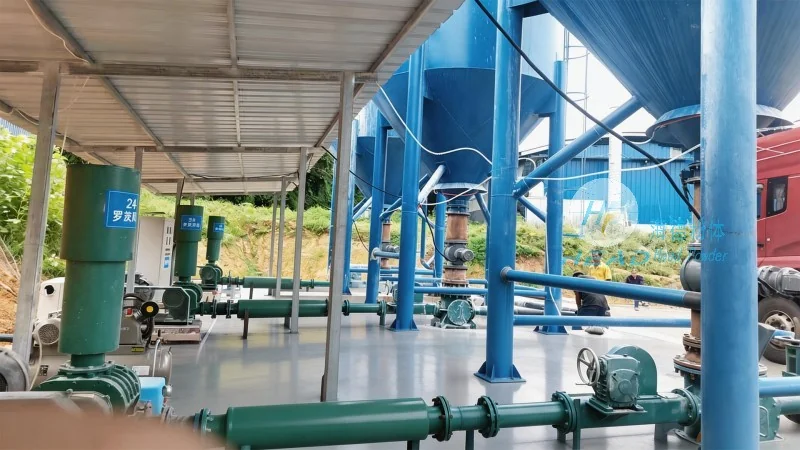
Introduction to Limestone Material Conveyor Systems
A limestone material conveyor system is a specialized piece of industrial equipment designed to transport limestone, a common sedimentary rock composed primarily of calcium carbonate (CaCO₃). The system typically consists of a conveyor belt, supported by a series of rollers or idlers, and powered by a drive mechanism. Limestone is widely used in various industries, including construction, cement production, and chemical manufacturing, making the reliable and efficient handling of this material a critical operational need. The conveyor system's primary function is to move limestone from its source, such as a quarry or mine, to the next stage of processing or storage, minimizing manual labor and reducing the risk of material loss or damage.
Design Principles of Limestone Material Conveying Systems
The design of a limestone material conveyor system is governed by several key principles that ensure optimal performance and durability. First, the system must be capable of handling the specific characteristics of limestone, such as its size, density, and abrasiveness. Limestone can vary in particle size, from fine powders to large chunks, and its abrasive nature can impact the wear and tear on conveyor components. Therefore, the design incorporates materials and components that can withstand these challenges, such as high-strength belts, reinforced idlers, and robust drive systems.
Second, the conveyor system's capacity and speed are determined by the required throughput. The design considers the volume of limestone to be transported per hour, ensuring that the system can meet production demands without bottlenecks. This involves selecting an appropriate belt width, speed, and drive power. For example, a quarry processing 500 tons of limestone per hour may require a conveyor with a wider belt and higher speed compared to a smaller-scale operation.
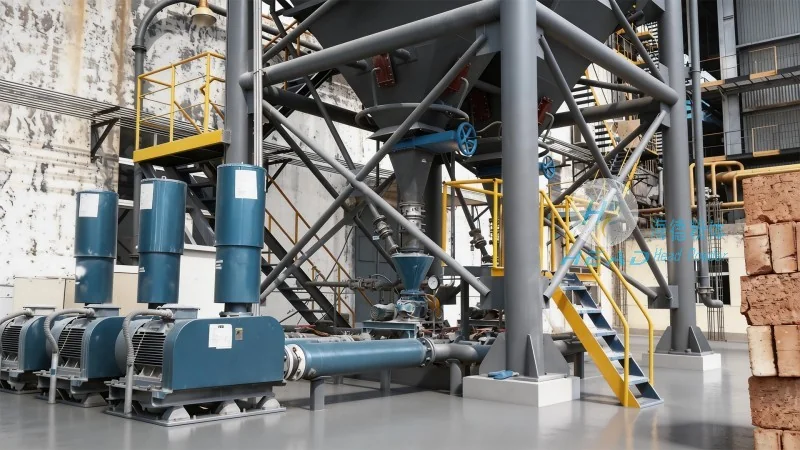
Third, the system's layout and configuration are tailored to the operational environment. This includes the length of the conveyor, the number of inclines or declines, and the integration with other equipment like crushers or screens. The design must account for the vertical and horizontal distances between the start and end points of the material movement, optimizing the path for minimal energy consumption and maximum efficiency. Additionally, safety considerations are integral to the design, with features like emergency stop mechanisms, protective guards, and proper ventilation to ensure a safe working environment.
Key Components in Limestone Material Conveyor Systems
Several critical components make up a limestone material conveyor system, each playing a vital role in its operation. The most prominent is the conveyor belt, which is typically made of durable materials like rubber or PVC, designed to carry the limestone load. The belt is supported by a series of rollers or idlers, which are strategically placed to maintain the belt's tension and alignment. The drive system, usually powered by electric motors, provides the necessary force to move the belt and the material along its path. This may include a motor, gearbox, and pulleys that transmit power to the conveyor's drive pulley.
Another essential component is the tensioning system, which maintains the proper tension on the conveyor belt to prevent slippage and ensure smooth operation. This can be achieved through manual or automatic tensioning mechanisms, such as take-up pulleys or spring-loaded systems. The frame or structure of the conveyor system provides support and stability, often constructed from steel to withstand the weight of the material and the forces exerted during operation. Additionally, accessories like feeders, chutes, and transfer points are integrated to facilitate the loading and unloading of limestone, ensuring a seamless flow of material through the system.
Application Scenarios and Operational Benefits
Limestone material conveyor systems are widely used in various industries where limestone is a primary raw material. In the cement industry, for instance, limestone is transported from quarries to cement plants for processing into clinker. The conveyor system ensures a continuous supply of limestone, which is then ground and mixed with other materials to produce cement. In mining operations, limestone is often used as a neutralizing agent or for road construction, and the conveyor system facilitates its movement from the mine to processing facilities or storage sites. The operational benefits of these systems include increased productivity, reduced labor costs, and improved safety compared to manual handling methods.
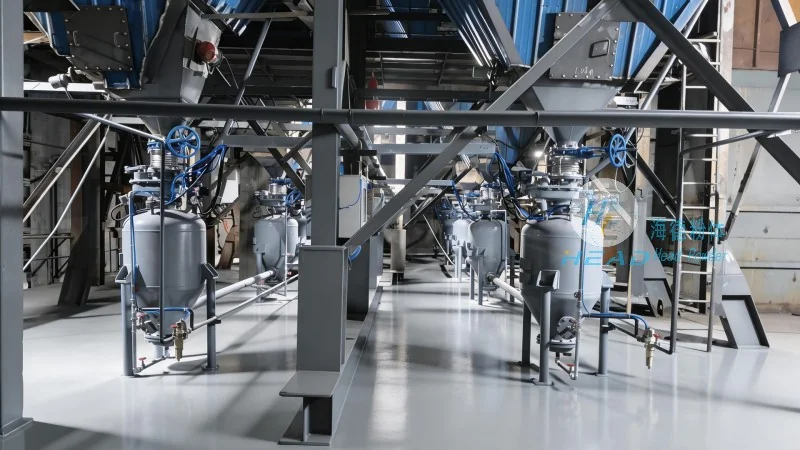
Furthermore, the use of conveyor systems in limestone handling reduces the environmental impact by minimizing dust and noise pollution. The enclosed design of many conveyor systems helps contain dust, making the operation more environmentally friendly. Additionally, the efficiency of the system leads to lower energy consumption and operational costs over time, providing long-term economic advantages for the end-user.
HeadPowder's Expertise in Limestone Material Handling Solutions
Shandong HeadPowder Engineering Co., Ltd., a leading provider of material handling solutions, specializes in designing and manufacturing limestone material conveyor systems tailored to the specific needs of its clients. With operations based in Shandong, China, HeadPowder leverages years of experience and advanced engineering to deliver high-quality, reliable conveyor systems. The company's expertise lies in understanding the unique challenges of limestone handling and developing solutions that enhance operational efficiency and durability. By incorporating the latest design principles and using superior materials, HeadPowder ensures that its conveyor systems meet the demanding requirements of the limestone industry, providing long-lasting performance and minimal maintenance.
HeadPowder's commitment to quality and customer satisfaction is reflected in its comprehensive approach to material handling solutions. The company works closely with clients to assess their specific needs, from the size and type of limestone to the operational environment and production goals. This collaborative process allows HeadPowder to design conveyor systems that are not only efficient but also cost-effective and sustainable. Whether for a new quarry or an existing processing facility, HeadPowder offers tailored solutions that optimize limestone transportation and contribute to the overall success of the operation.