

What is a Forage Silage Material Conveying Line? And What Are Its Design Principles?
Forage silage material conveying lines are specialized systems engineered to efficiently transport and handle silage, a fermented forage used as animal feed. These lines are critical in agricultural operations, particularly in dairy and livestock farming, where large volumes of forage need to be processed and stored. The design of such lines is tailored to ensure optimal performance, durability, and compatibility with the specific characteristics of silage materials.
Understanding the Forage Silage Material Conveying Line
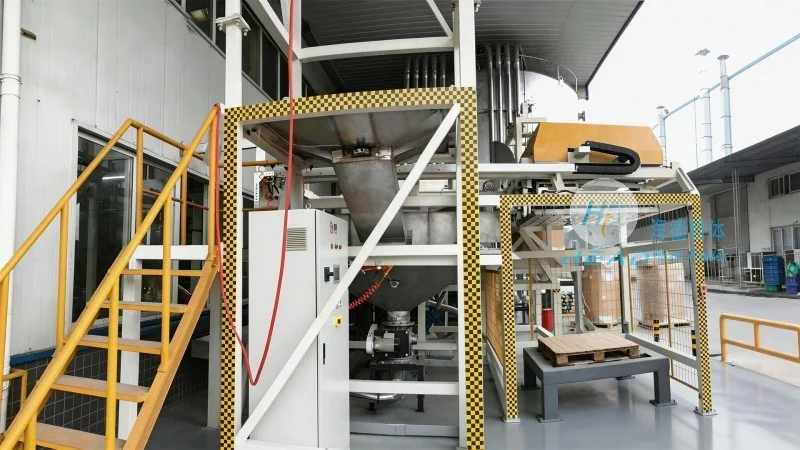
A forage silage material conveying line typically consists of several key components, including feeders, conveyors (such as belt conveyors, screw conveyors, or chain conveyors), storage silos, and sometimes processing units like choppers or mixers. The primary function is to move silage from the point of production—often a field or a processing facility—into storage silos or directly to feeding areas. The system must handle the high moisture content and fibrous nature of silage, which can be challenging for traditional conveying equipment.
Design Principles of the Conveying Line
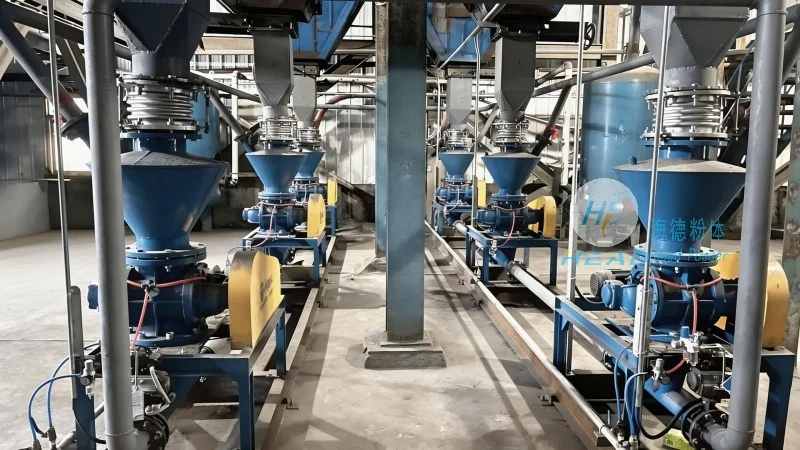
The design of a forage silage material conveying line is guided by several fundamental principles aimed at maximizing efficiency and minimizing operational issues. First, the system must be capable of handling the bulk density and flow characteristics of silage. Silage has a high moisture content, which can cause it to stick to surfaces, so materials like stainless steel or specialized coatings are often used for components that come into direct contact with the material. Second, the design emphasizes durability and low maintenance. Agricultural environments are harsh, with exposure to dust, moisture, and varying temperatures, so equipment must be robust and resistant to corrosion and wear. Third, the conveying line is designed for scalability, allowing it to accommodate changes in feed volume as the farm grows or as seasonal forage availability fluctuates. This scalability ensures that the system remains effective over the long term.
Key Components and Their Functions
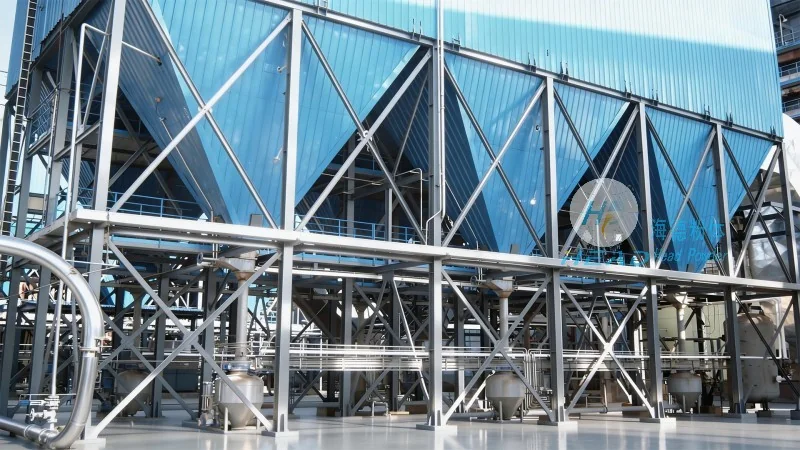
Each component of the forage silage material conveying line plays a crucial role in the overall operation. The feeder is responsible for initially gathering the silage and directing it into the conveyor system. This component must be able to handle the irregular shape and varying consistency of silage, ensuring a steady flow. The conveyor itself is the heart of the system, responsible for transporting the silage from one location to another. Belt conveyors are commonly used for horizontal or slight incline transport due to their ability to handle large volumes and their low friction, which reduces wear on the material. Screw conveyors are often used for vertical or steep incline transport, as they can effectively lift silage to higher storage levels. Chain conveyors, with their interlocking links, are suitable for heavy loads and can handle more abrasive materials, though they may require more maintenance. The storage silo is where the silage is kept after it has been conveyed, and it is designed to maintain the anaerobic conditions necessary for fermentation. The silo’s shape and size are critical to preventing spoilage and ensuring the silage remains fresh for extended periods.
Operational Considerations and Maintenance
Operational considerations for a forage silage material conveying line include the need for regular maintenance to ensure optimal performance. This includes checking for wear on conveyor belts or chains, cleaning the system to prevent buildup of silage residue, and inspecting the feeder and silo for any blockages or damage. Proper maintenance is essential to prevent downtime and ensure the system operates efficiently. Additionally, the system must be designed to handle the variability in silage quality and quantity. For example, during peak harvest seasons, the conveyor line may need to process larger volumes of forage, requiring adjustments to the feeder speed or conveyor capacity. The design of the line should accommodate these fluctuations to maintain consistent performance.

About Shandong HeadPowder Engineering Co., Ltd.
Shandong HeadPowder Engineering Co., Ltd., commonly known as HeadPowder, is a leading manufacturer specializing in agricultural machinery and conveying systems. With a focus on innovation and quality, HeadPowder has developed advanced forage silage material conveying lines that meet the demands of modern agricultural operations. The company’s products are designed to enhance efficiency, reduce labor costs, and improve the overall management of forage storage and feeding. HeadPowder’s engineering team works closely with farmers and agricultural experts to understand their specific needs and develop customized solutions that optimize performance and durability. The company’s commitment to using high-quality materials and advanced manufacturing techniques ensures that its conveying lines are reliable and long-lasting, providing farmers with a valuable investment in their operations.