

Alumina Material Handling Conveyor: What It Is and Its Design Principles
Alumina, a critical material in various industrial applications, requires efficient and reliable handling systems to ensure smooth production processes. The alumina material handling conveyor is a specialized equipment designed to transport and manage alumina powder or granules within industrial facilities. This article explores the definition of an alumina material handling conveyor and delves into its core design principles, highlighting the technological advancements and operational efficiency it offers.
Understanding the Alumina Material Handling Conveyor
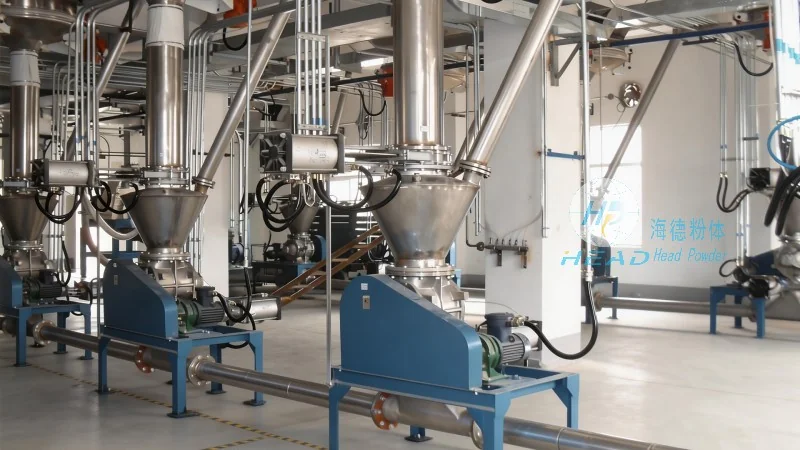
An alumina material handling conveyor is a mechanical system engineered to transport alumina, a white crystalline oxide of aluminum, through industrial processes. This equipment is essential in industries such as ceramics, refractories, and chemical manufacturing, where alumina is a primary raw material. The conveyor system typically consists of components like feeders, conveyors (e.g., belt conveyors, screw conveyors), and control mechanisms, all tailored to handle the specific properties of alumina, including its fine particle size, high density, and potential moisture content.
Key Design Principles of the Alumina Material Handling Conveyor
The design of an alumina material handling conveyor is guided by several critical principles to ensure optimal performance, safety, and efficiency. These principles include material compatibility, system durability, and operational flexibility. Material compatibility is paramount, as the conveyor components must resist corrosion and wear caused by alumina's abrasive nature. For instance, materials like stainless steel or specialized alloys are often used for conveyor belts and hoppers to prevent degradation over time.
Durability is another key design consideration. Alumina handling systems operate in high-volume production environments, often under heavy loads and continuous operation. Therefore, robust construction with reinforced structures and wear-resistant parts is essential to minimize maintenance and downtime. Operational flexibility is also a design priority, allowing the conveyor to adapt to varying alumina feed rates and processing requirements. This flexibility is achieved through adjustable speed controls, variable feed mechanisms, and modular components that can be easily reconfigured.
Components and Functional Aspects
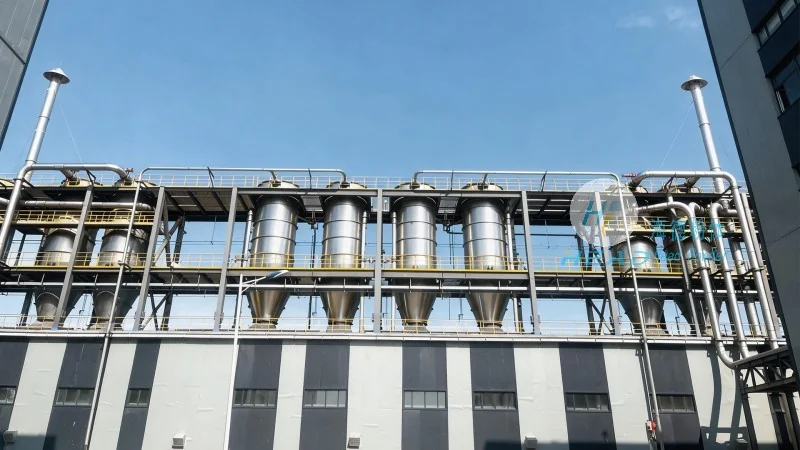
The alumina material handling conveyor comprises several integrated components that work in tandem to ensure seamless material transport. The primary components include the hopper for material storage, the feeding mechanism (such as a rotary valve or screw feeder) to regulate the flow of alumina, the conveyor itself (e.g., a belt conveyor with a special coating to prevent material buildup), and the control system for monitoring and adjusting the process. Each component is designed to address specific challenges associated with alumina handling, such as preventing clogging, minimizing dust generation, and ensuring consistent material flow.
For example, the hopper is typically equipped with a sloped bottom to facilitate material discharge and prevent blockages. The feeding mechanism ensures a controlled and uniform flow of alumina into the conveyor, preventing overloading or underfeeding that could lead to inefficiencies. The conveyor belt, often made of a non-stick material like PTFE-coated fabric, reduces friction and prevents alumina from adhering to the belt surface, which is crucial for maintaining conveyor efficiency and reducing maintenance needs. The control system, integrated with sensors and automation technology, monitors parameters like flow rate, temperature, and pressure, providing real-time feedback and adjustments to maintain optimal performance.
Advantages and Applications
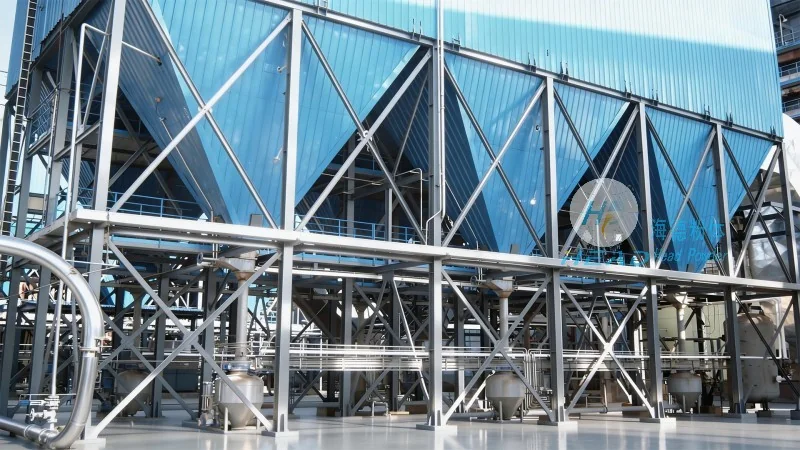
The alumina material handling conveyor offers several advantages that make it indispensable in industrial settings. These include high material throughput, minimal product loss, and reduced labor costs due to automated operation. The system's ability to handle large volumes of alumina efficiently supports continuous production processes, enhancing overall productivity. Additionally, the design minimizes dust exposure, improving workplace safety and compliance with environmental regulations. This is particularly important in industries where alumina dust can pose health risks.
Applications of the alumina material handling conveyor span various sectors. In the ceramics industry, it is used to transport alumina powder to kilns and mixing equipment, ensuring consistent material composition for high-quality ceramic products. In refractory manufacturing, the conveyor system delivers alumina to mixing and molding processes, contributing to the production of durable refractory materials used in high-temperature applications. The chemical industry also utilizes this equipment to handle alumina in chemical reactions and processing steps, where precise material control is critical for product quality and safety.
Conclusion
In conclusion, the alumina material handling conveyor is a sophisticated piece of equipment designed to efficiently transport and manage alumina in industrial applications. Its design principles, focusing on material compatibility, durability, and operational flexibility, ensure reliable performance and support high-volume production. The integrated components and advanced control systems enhance efficiency, safety, and productivity, making it a vital asset for industries relying on alumina as a key raw material. As technology continues to advance, the design of alumina handling systems will likely evolve to meet new challenges and improve operational efficiency, further solidifying its role in industrial processes.