

Classification and Composition of Fly Ash Pneumatic Conveying Systems
Understanding the classification and composition of fly ash pneumatic conveying systems is crucial for selecting the most suitable technology for industrial applications. These systems are designed to transport fly ash, a byproduct of coal combustion, efficiently and safely. The primary goal is to ensure reliable material handling while minimizing operational costs and environmental impact.
System Classification Based on Operating Principles
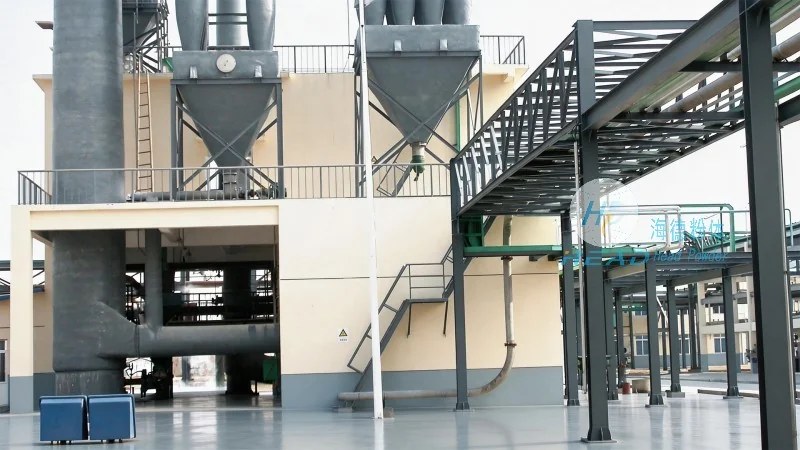
Fly ash pneumatic conveying systems can be broadly classified based on their operating principles, which primarily determine how the material is propelled through the system. The two main categories are pressure and vacuum systems. Pressure systems use compressed air or gas to push the material forward, while vacuum systems create a negative pressure to draw the material into the system.
Key Components of a Typical Fly Ash Pneumatic Conveying System
A standard fly ash pneumatic conveying system comprises several critical components that work in tandem to ensure effective material transport. These components include the material feed hopper, which holds the fly ash and regulates its flow; the conveying line, which is typically made of stainless steel or other corrosion-resistant materials to withstand the abrasive nature of fly ash; the air compressor or vacuum pump, which provides the necessary pressure or vacuum; and the control system, which monitors and adjusts the flow rate and pressure to maintain optimal performance.
Material Feed Hopper and Conditioning Equipment
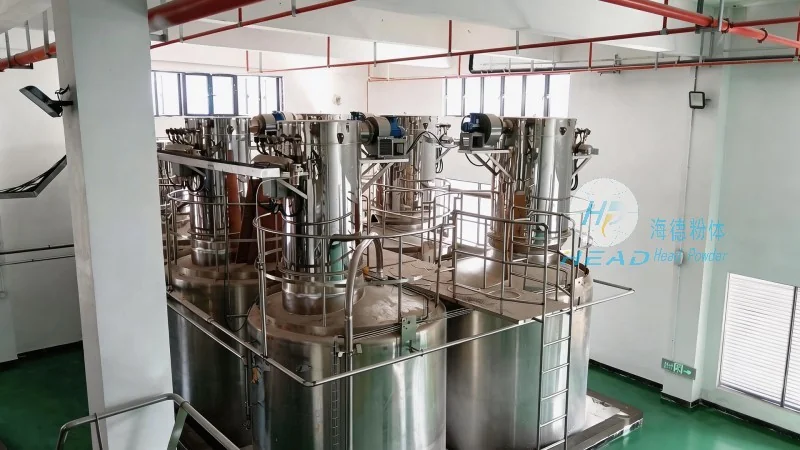
The material feed hopper is a critical component that ensures a consistent and controlled feed of fly ash into the conveying system. It often includes a feeder, such as a rotary valve or a screw feeder, to regulate the material flow. In some systems, conditioning equipment like a de-duster or a moisture control unit may be integrated to improve material handling characteristics. For example, de-dusting helps remove fine particles that could cause blockages or reduce system efficiency. Moisture control is essential as excessive moisture can lead to clumping and reduced flow rates.
Conveying Line and Pipeline Design
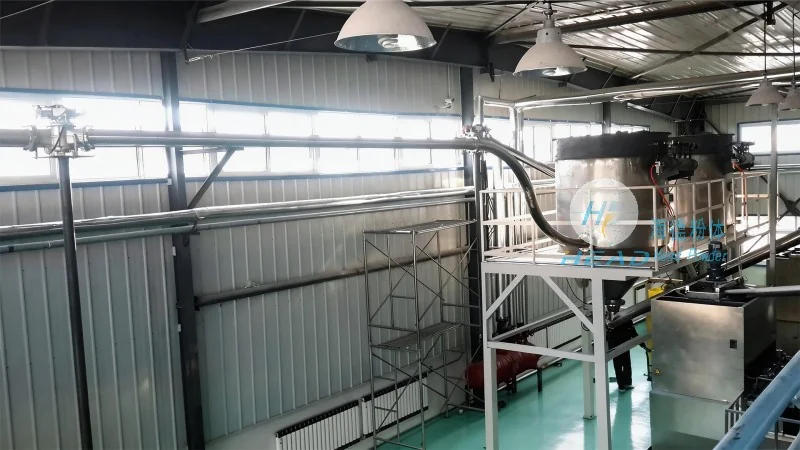
The conveying line is the backbone of the system, responsible for transporting the fly ash from the feed hopper to the discharge point. The design of the pipeline is critical to prevent blockages and ensure smooth flow. The line is typically made of stainless steel or high-grade plastic, chosen for its resistance to corrosion and abrasion from the fly ash particles. The diameter and length of the pipeline are carefully selected based on the material's characteristics, such as particle size, density, and flowability. Additionally, the pipeline may include bends, elbows, and expansion joints to accommodate changes in direction and accommodate thermal expansion.
Air Compressor and Vacuum Pump Systems
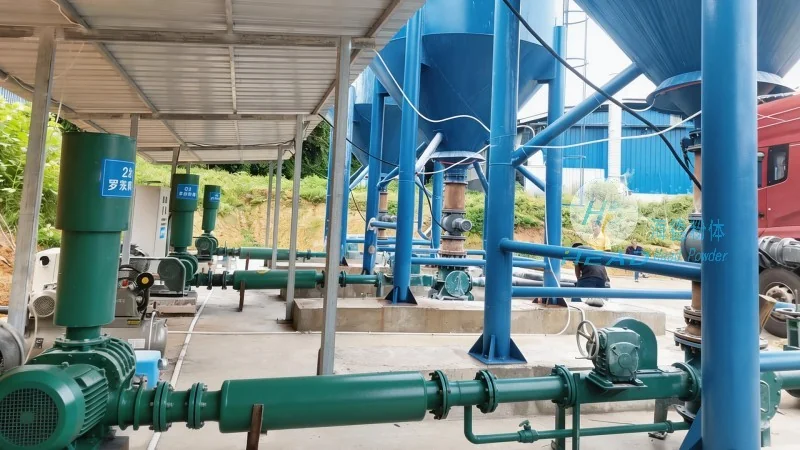
The air compressor or vacuum pump is the power source of the system, providing the necessary pressure or vacuum to move the fly ash through the conveying line. In pressure systems, a positive displacement compressor is commonly used, which delivers a constant volume of air at high pressure. In vacuum systems, a vacuum pump creates a negative pressure that draws the material into the system. The choice of compressor or pump depends on factors such as the system's capacity, the material's properties, and the required pressure or vacuum level. Proper maintenance of the compressor or pump is essential to ensure reliable operation and minimize downtime.
Control and Monitoring Systems
The control and monitoring system is responsible for regulating the operation of the fly ash pneumatic conveying system. It typically includes sensors and controls that monitor parameters such as pressure, flow rate, and temperature. The system may also include alarms and safety features to detect and prevent issues like blockages or overpressure. Advanced control systems can use feedback from sensors to adjust the operation in real-time, optimizing performance and reducing energy consumption. For example, a pressure sensor can detect a drop in pressure, indicating a blockage, and trigger an alarm or automatically shut down the system to prevent damage.
Applications and Industrial Use Cases
Fly ash pneumatic conveying systems are widely used in various industrial applications, particularly in the power generation and construction industries. In power plants, these systems are used to transport fly ash from the boiler to the storage silos or to other processing facilities. In construction, fly ash is often used as a supplementary cementitious material in concrete production, and pneumatic conveying systems are used to transport it from storage to the mixing plant. The efficiency and reliability of these systems are crucial for maintaining production schedules and ensuring the quality of the final product.
Advantages of Fly Ash Pneumatic Conveying Systems
There are several advantages to using fly ash pneumatic conveying systems for material transport. One of the primary advantages is the ability to transport materials over long distances without the need for intermediate storage or transfer points. This reduces the risk of material contamination and improves overall system efficiency. Additionally, pneumatic conveying systems can handle a wide range of material properties, including abrasive and corrosive materials, without causing damage to the equipment. The systems are also relatively compact and can be installed in confined spaces, making them suitable for retrofitting into existing facilities.
Challenges and Mitigation Strategies
Despite their advantages, fly ash pneumatic conveying systems can face challenges such as blockages, corrosion, and high energy consumption. Blockages can occur due to the accumulation of fine particles or moisture in the pipeline, which can be mitigated by using de-dusting equipment and maintaining proper moisture control. Corrosion can be addressed by using corrosion-resistant materials for the pipeline and components. High energy consumption can be reduced by optimizing the system design, such as using the right size compressor or pump and ensuring proper maintenance.
Conclusion
In conclusion, fly ash pneumatic conveying systems are an essential technology for efficient and safe transport of fly ash in industrial applications. The classification and composition of these systems are critical to their performance and reliability. By understanding the key components and operating principles, industries can select the most suitable system for their specific needs. As technology advances, these systems are becoming more efficient and cost-effective, making them an increasingly popular choice for material handling in the power and construction industries.