

What is a White Powder Material Conveyor Line? What Are Its Design Principles?
Welcome to Shandong HeadPowder Engineering Co., Ltd., a leading manufacturer specializing in high-quality white powder material conveyor systems. In this article, we will explore the fundamental aspects of white powder material conveyor lines, including their purpose, key components, and the underlying design principles that ensure efficient and reliable operation. As a company with years of experience in the industry, HeadPowder is committed to providing innovative solutions tailored to meet the specific needs of our clients.
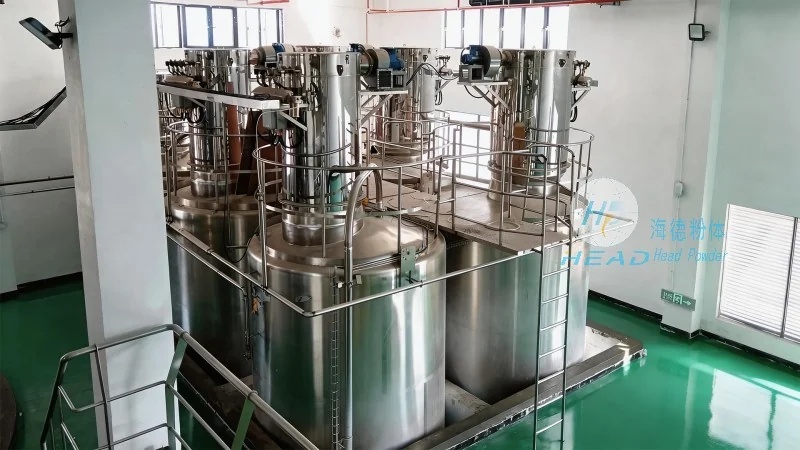
Understanding White Powder Material Conveyor Lines
A white powder material conveyor line is a specialized system designed to transport fine powders, such as flour, starch, or other dry materials, from one location to another within a processing facility. These systems are essential in industries like food processing, pharmaceuticals, and chemical manufacturing, where the handling of powders requires precision and control. The primary goal of a white powder conveyor line is to move these materials safely, efficiently, and without compromising their quality or integrity. By understanding the components and design principles of such systems, businesses can optimize their operations and enhance productivity.
Key Components of a White Powder Conveyor Line
The effectiveness of a white powder material conveyor line depends on several critical components that work in harmony to ensure smooth material flow. These components include:
1. Feeding Hoppers: These are containers that hold the white powder and feed it into the conveyor system. They are designed to minimize material buildup and prevent clogging, which is crucial for maintaining consistent flow rates. The hoppers often feature sloped sides and discharge gates to facilitate smooth material release.
2. Pneumatic Conveyors: Pneumatic systems use air pressure to transport powders through pipes. This method is ideal for handling fine powders as it reduces product degradation and contamination. Pneumatic conveyors can be classified into different types, including pressure and vacuum systems, each suited for specific application requirements.
3. Rotary Valves: These devices control the flow of material from the hopper to the conveyor line. They act as on-off valves, ensuring that material is released in controlled quantities. Rotary valves are essential for preventing backflow and maintaining the integrity of the powder during transport.
4. Conveyor Belts or Tubing: The actual transport medium, which can be a flexible tube or a rigid belt. For white powders, flexible tubing is often preferred as it minimizes product friction and reduces the risk of material degradation. The tubing is typically made of materials like stainless steel or food-grade plastic to ensure durability and compliance with industry standards.
5. Control Systems: Modern white powder conveyor lines are equipped with advanced control systems that monitor and regulate the flow of material. These systems use sensors and automation to adjust speed, pressure, and other parameters in real-time, ensuring optimal performance and preventing operational issues.
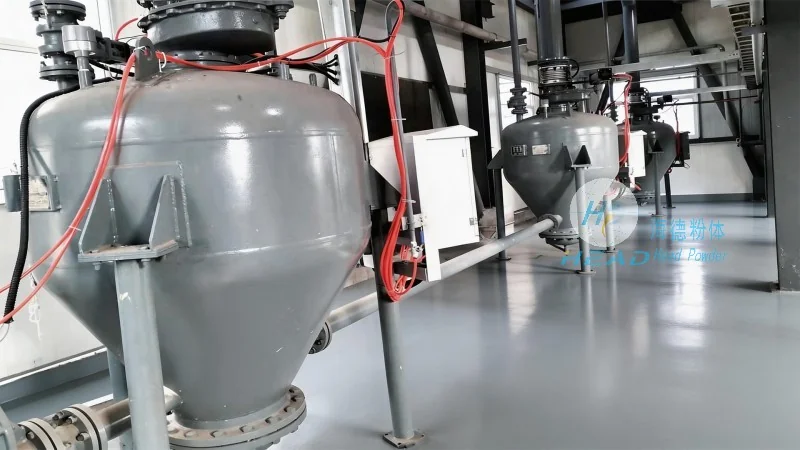
Design Principles for Efficient White Powder Conveying
The design of a white powder material conveyor line is guided by several key principles aimed at maximizing efficiency, safety, and product quality. These principles include:
1. Airflow Management: Proper airflow is critical to prevent dust accumulation and ensure consistent material transport. The design must consider factors such as air velocity, pressure differentials, and the size of the conveying pipes to maintain optimal flow rates without causing excessive wear on components.
2. Material Compatibility: The choice of materials for components like hoppers, valves, and tubing is essential to prevent contamination and degradation of the white powder. Materials such as stainless steel, food-grade plastics, and special coatings are commonly used to ensure compatibility with various powders and to meet regulatory requirements.
3. Preventing Clogging and Agglomeration: White powders can easily clog or agglomerate, which can disrupt the conveyor line. Design solutions include using anti-static materials, incorporating vibration systems, and maintaining proper moisture levels to prevent clumping. These measures ensure that the conveyor line operates smoothly and reduces downtime.
4. Energy Efficiency: Modern conveyor line designs prioritize energy efficiency to reduce operational costs. This includes using variable frequency drives (VFDs) to adjust motor speeds based on the material load, minimizing energy consumption while maintaining performance.
5. Safety and Maintenance: Safety is a top priority in the design of white powder conveyor lines. Features such as emergency stop buttons, dust collection systems, and regular maintenance schedules are incorporated to ensure safe operation and minimize the risk of accidents. The design also considers ease of maintenance, with accessible components that can be serviced without extensive downtime.
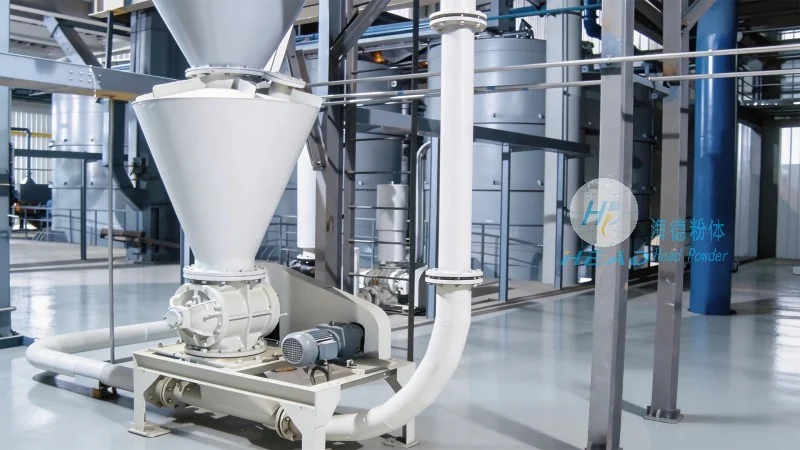
Applications and Benefits of White Powder Conveyor Lines
White powder material conveyor lines are widely used in various industries due to their versatility and efficiency. Some common applications include:
1. Food Processing: In the food industry, these systems are used to transport ingredients like flour, sugar, and spices. They ensure that these materials are handled hygienically and efficiently, meeting the strict standards of food safety regulations.
2. Pharmaceutical Manufacturing: The pharmaceutical industry requires precise and contamination-free handling of powders. White powder conveyor lines are used to transport active ingredients and excipients, ensuring that the final products are of high quality and meet regulatory requirements.
3. Chemical Manufacturing: Chemical plants use these systems to transport various dry chemicals, including powders used in production processes. The design of the conveyor line must consider the chemical properties of the materials to prevent corrosion and ensure safety.
4. Packaging and Bulk Handling: In packaging facilities, white powder conveyor lines are used to move materials from storage to packaging equipment. This streamlines the production process and improves overall efficiency.
By implementing a well-designed white powder material conveyor line, businesses can achieve several benefits, including improved productivity, reduced labor costs, enhanced product quality, and increased safety in the workplace. These systems also contribute to better environmental control by minimizing dust emissions and ensuring proper waste management.
Conclusion
In conclusion, white powder material conveyor lines are sophisticated systems that play a vital role in industries handling fine powders. The design principles and components discussed above are essential for ensuring the efficient and reliable operation of these systems. As a company with a strong commitment to quality and innovation, Shandong HeadPowder Engineering Co., Ltd. offers tailored solutions that meet the unique needs of our clients. Whether you are in the food, pharmaceutical, or chemical industry, our expertise in white powder conveyor line design and manufacturing can help you optimize your operations and achieve your business goals.