

Design Considerations for the Pneumatic Conveying System of Potassium Carbonate Fertilizer
When designing a pneumatic conveying system for potassium carbonate fertilizer, several critical factors must be considered to ensure efficient operation, safety, and longevity. The system's performance is directly influenced by how well these design elements are integrated and optimized. This article outlines key considerations that professionals should address when developing such a system.

System Sizing and Material Selection
The first step in designing a pneumatic conveying system for potassium carbonate fertilizer is determining the appropriate system size and selecting suitable materials. The capacity of the system must match the production and handling requirements of the fertilizer. Factors such as the bulk density of the potassium carbonate, the desired conveying rate, and the distance between the source and destination points are crucial in this phase. For instance, if the fertilizer is to be conveyed over a long distance, a positive pressure system with higher air pressure may be required to maintain the material's flow. The material selection process involves evaluating the chemical and physical properties of the potassium carbonate, such as its moisture content, particle size distribution, and abrasiveness. Corrosion-resistant materials like 316L stainless steel are often recommended for components that come into direct contact with the fertilizer, as they can withstand the chemical reactions and prevent contamination. The tubing and fittings should also be chosen based on the material's abrasive nature; high-quality, reinforced tubing can reduce wear and extend the system's lifespan. Additionally, the use of wear-resistant coatings on internal components can further enhance the system's durability.
Conveying Method and Airflow Management
Choosing the right conveying method is vital for the system's efficiency. For potassium carbonate fertilizer, both positive and negative pressure systems are commonly used. Positive pressure systems, where air is blown into the system to move the material, are often preferred for their ability to handle abrasive materials and long distances. Negative pressure systems, on the other hand, draw material into the system using suction, which can be more suitable for applications requiring gentle handling. Airflow management is another critical aspect, as it directly impacts the system's performance and energy consumption. Proper air velocity must be maintained to prevent material settling or blockages. This often involves calculating the minimum and maximum air velocities required based on the particle size distribution and the system's layout. For example, a typical air velocity for conveying potassium carbonate might range from 20 to 30 meters per second, depending on the system's design. Additionally, the use of air filters and moisture control systems is essential to prevent dust accumulation and maintain air quality within the facility. Regular cleaning of filters is necessary to avoid pressure drops and ensure consistent airflow.
Pressure and Flow Control Systems
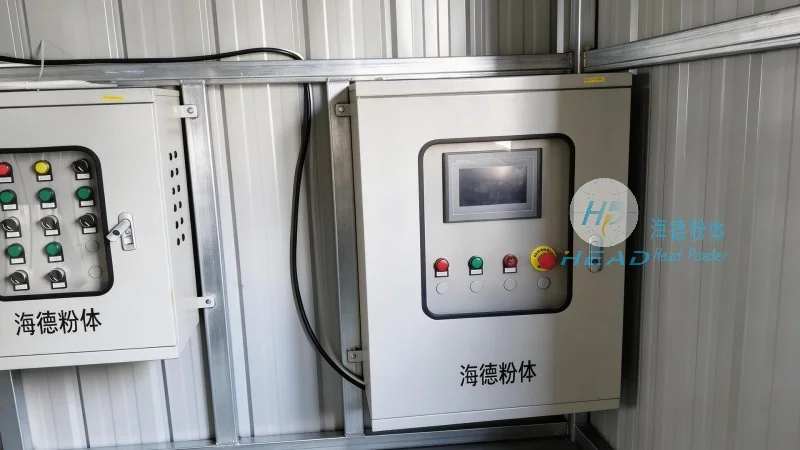
Effective pressure and flow control are essential to ensure stable and reliable operation of the pneumatic conveying system. Pressure control systems, such as regulators and valves, help maintain consistent air pressure throughout the system, preventing fluctuations that could lead to inefficiencies or equipment damage. Flow control devices, including flow meters and variable speed drives, allow for adjustment of the conveying rate based on operational needs. For potassium carbonate fertilizer, which can be sensitive to pressure changes, precise control is necessary to avoid material degradation or clogging. The integration of these control systems with the overall process control system ensures seamless operation and allows for real-time monitoring and adjustments. For instance, a flow meter can provide real-time data on the conveying rate, enabling operators to make immediate adjustments if the rate deviates from the set point. Additionally, pressure relief valves are installed to protect the system from overpressure conditions, which could occur due to blockages or other operational issues.
Maintenance and Safety Considerations
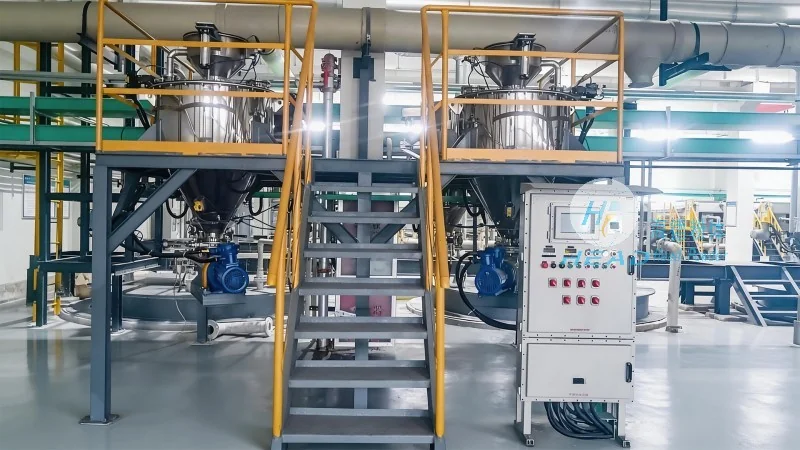
Maintenance and safety are paramount when operating a pneumatic conveying system for potassium carbonate fertilizer. Regular maintenance, including cleaning of filters, inspection of tubing for wear, and checking of pressure components, is necessary to prevent system failures and extend the equipment's lifespan. Safety considerations include the use of explosion-proof components in areas where the fertilizer may be prone to dust accumulation, as well as proper ventilation to reduce dust levels and prevent respiratory hazards. Additionally, emergency shut-off systems and pressure relief valves are essential to protect both personnel and equipment from potential accidents. By adhering to these maintenance and safety protocols, operators can ensure the safe and efficient operation of the system. Regular maintenance schedules should be established, typically including daily checks of filter conditions, weekly inspections of tubing and fittings, and monthly checks of pressure components. This proactive approach helps identify and address potential issues before they become major problems.
Integration with Existing Infrastructure
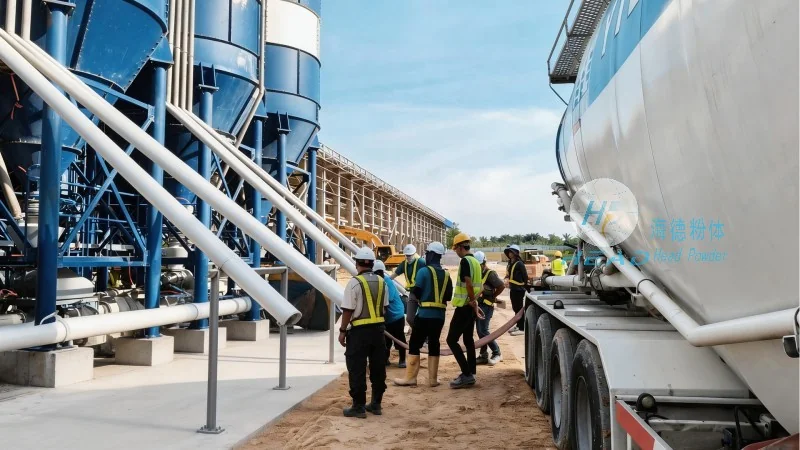
When designing a new pneumatic conveying system for potassium carbonate fertilizer, it is important to consider its integration with existing infrastructure. This includes assessing the compatibility of the system with current buildings, utilities, and process lines. The system's layout should be planned to minimize disruption to existing operations and to facilitate easy access for maintenance. Additionally, the use of modular components allows for flexibility in adapting the system to future changes in production requirements. By carefully planning the integration, the system can be seamlessly incorporated into the existing facility, reducing installation time and costs. For example, the system may be designed to connect to existing air compressors and electrical systems, avoiding the need for new installations. The integration process also involves coordinating with other departments, such as engineering and operations, to ensure that the system aligns with the overall plant design and operational goals.
Case Study: Implementation by Shandong HeadPowder Engineering Co., Ltd.
Shandong HeadPowder Engineering Co., Ltd., a leading provider of engineering solutions in China, has extensive experience in designing and implementing pneumatic conveying systems for various industrial applications, including potassium carbonate fertilizer. The company's expertise lies in tailoring systems to meet specific client needs, ensuring optimal performance and reliability. For example, one of their recent projects involved designing a positive pressure pneumatic conveying system for a fertilizer plant in Shandong, China. The system was engineered to handle 200 tons of potassium carbonate per hour over a distance of 500 meters, with stainless steel components selected to resist corrosion from the fertilizer's chemical properties. The system's pressure and flow control systems were integrated with the plant's overall process control system, allowing for real-time monitoring and adjustments. Regular maintenance schedules were established to ensure the system's long-term performance. The successful implementation of this system highlights the importance of careful design and professional execution in achieving efficient and safe operation. The company's approach includes thorough site surveys, detailed engineering calculations, and rigorous testing to ensure that the system meets all operational requirements. By leveraging their expertise and using high-quality components, Shandong HeadPowder has helped clients optimize their fertilizer handling processes and improve overall productivity.