

Design Considerations for Magnesium Hydroxide Pneumatic Conveying Systems
Magnesium hydroxide, a widely used industrial powder in applications ranging from fire retardant formulations to chemical processing, presents unique challenges when it comes to material handling. Its fine particle size, hygroscopic nature, and potential for dust generation require a carefully engineered pneumatic conveying system to ensure efficient transport while maintaining safety and operational reliability. This article outlines critical design considerations for such systems, focusing on the specific needs of magnesium hydroxide and the expertise of HeadPowder, a leading engineering firm based in Shandong, China.
HeadPowder: Your Partner in Pneumatic Conveying Solutions
HeadPowder, formally known as Shandong HeadPowder Engineering Co., Ltd., is a dedicated provider of engineering services specializing in the design and implementation of pneumatic conveying systems for fine powders. With operations based in Shandong, China, our company combines decades of industry experience with advanced technology to deliver tailored solutions that meet the exacting demands of modern manufacturing. Our team of skilled engineers works closely with clients to understand their process requirements, material characteristics, and operational goals, ensuring that each system is optimized for performance, safety, and long-term durability.
Key Design Considerations for Magnesium Hydroxide Pneumatic Conveying
The success of a magnesium hydroxide pneumatic conveying system hinges on several critical design elements. First, the selection of the appropriate conveying method—whether dilute phase or dense phase—is crucial. Dilute phase systems, which use high-velocity air to transport particles in suspension, are ideal for short to medium distances and low to moderate material loads. Dense phase systems, on the other hand, employ lower air velocities and higher material concentrations, making them suitable for longer distances or when product degradation must be minimized. For magnesium hydroxide, which is sensitive to moisture and temperature changes, a dense phase system may be preferred to reduce exposure to air and maintain product integrity.
Pipeline Design and Material Selection
Proper pipeline design is essential to prevent particle degradation, blockages, and system inefficiencies. Magnesium hydroxide particles are relatively soft and prone to abrasion, so pipelines should be constructed from materials that resist wear and corrosion. Stainless steel or high-grade plastic (such as PTFE-coated pipes) are common choices, as they provide durability and minimize the risk of contamination. The diameter of the pipeline is also critical; too small a diameter can lead to increased pressure drop and potential blockages, while excessively large diameters may reduce system efficiency. For magnesium hydroxide, a pipeline diameter of 50-100 mm is typically recommended, depending on the material flow rate and system configuration.
Air Supply and Pressure Management
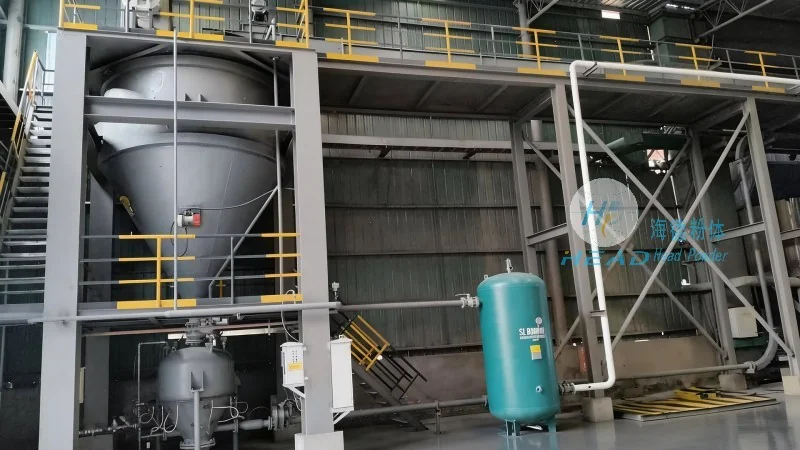
The air supply system is a core component of any pneumatic conveying system, and its design directly impacts performance and energy efficiency. For magnesium hydroxide, which has a relatively low bulk density compared to other powders, a high-pressure air source is often required to achieve sufficient conveying velocity. Compressed air systems, equipped with appropriate filters and regulators, are commonly used to provide the necessary pressure and air quality. The pressure drop along the pipeline must be carefully calculated to ensure that the air velocity remains above the minimum required to keep particles in suspension. This involves considering factors such as pipeline length, diameter, and the number of bends or fittings, all of which affect the overall system pressure requirements.
Feeders and Material Handling Equipment
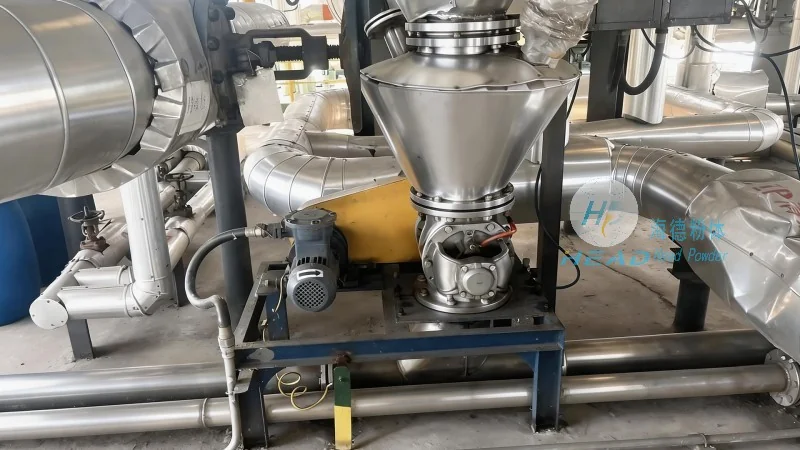
The feeder is responsible for introducing magnesium hydroxide into the conveying system at a controlled rate, ensuring consistent flow and preventing surges or blockages. For fine powders like magnesium hydroxide, rotary feeders or screw feeders are often used. These devices are designed to handle low to medium flow rates while maintaining a stable material feed. The feeder must be equipped with a hopper that minimizes material bridging and allows for smooth discharge. Additionally, the feeder should be integrated with a dust collection system to prevent airborne particle release and maintain a clean working environment. Proper maintenance of the feeder, including regular cleaning and inspection, is essential to avoid material buildup and ensure long-term reliability.
Separation and Collection Systems
At the end of the conveying process, the magnesium hydroxide must be separated from the air stream and collected efficiently. This is typically achieved using a cyclone separator or a baghouse filter. Cyclone separators use centrifugal force to separate particles from the air, while baghouse filters employ fabric bags to trap particles. For magnesium hydroxide, which is non-toxic but can cause respiratory irritation if inhaled, a high-efficiency filtration system is recommended to ensure worker safety and environmental compliance. The collection system must be designed to handle the specific properties of magnesium hydroxide, such as its hygroscopic nature, to prevent moisture buildup and maintain product quality. Proper maintenance of the separator and filter, including regular cleaning and replacement of filter bags, is crucial to prevent system downtime and ensure consistent performance.
System Integration and Control
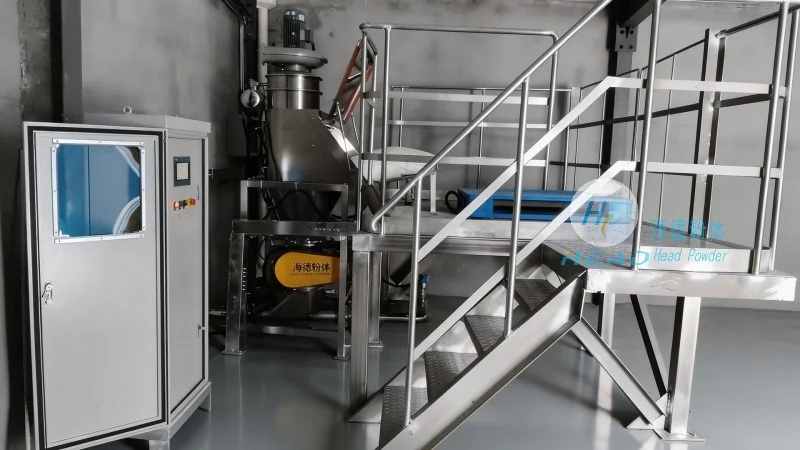
Effective control of the pneumatic conveying system is essential for optimizing performance and minimizing operational costs. Modern systems often incorporate automated controls, such as pressure sensors, flow meters, and variable frequency drives (VFDs), to monitor and adjust system parameters in real time. These controls help maintain consistent material flow, reduce energy consumption, and prevent overpressurization or underpressure conditions. For magnesium hydroxide, which may require temperature control to prevent degradation, the system may also include heating or cooling elements in the pipeline or hopper. The integration of these controls with the overall process ensures that the conveying system operates seamlessly with other equipment, such as mixers or reactors, and meets the specific requirements of the production line.
Safety and Environmental Considerations
Handling magnesium hydroxide in a pneumatic conveying system requires attention to safety and environmental regulations. The fine particles can create dust clouds that pose respiratory hazards, so proper ventilation and dust collection systems are mandatory. Additionally, the system must be designed to prevent leaks or spills that could lead to environmental contamination. HeadPowder adheres to strict safety standards and provides comprehensive safety training to clients, ensuring that all aspects of the system are compliant with local regulations. By prioritizing safety and environmental responsibility, our systems not only protect workers and the environment but also enhance the overall reputation of the client's operation.
Conclusion: Partnering with HeadPowder for Reliable Pneumatic Conveying
Designing a pneumatic conveying system for magnesium hydroxide is a complex task that requires expertise in both material science and engineering. By addressing key considerations such as system type, pipeline design, air supply, and safety, manufacturers can achieve efficient and reliable material transport. HeadPowder, with its headquarters in Shandong, China, offers comprehensive solutions tailored to the unique needs of magnesium hydroxide applications. Our team of experienced engineers and technicians works closely with clients to design, install, and maintain pneumatic conveying systems that meet the highest standards of performance, safety, and durability. Whether you are upgrading an existing system or designing a new one, HeadPowder is your trusted partner in ensuring that your magnesium hydroxide handling operations run smoothly and efficiently.