

Design Considerations for Coal and Stone Powder Pneumatic Conveying Systems
When designing a pneumatic conveying system for coal and stone powders, several critical factors must be considered to ensure efficiency, reliability, and long-term performance. These systems are essential in various industrial applications, from mining and power generation to material handling in construction and manufacturing. The design process involves a comprehensive analysis of material properties, operational requirements, and environmental considerations to develop a solution that meets specific project needs. As a leading provider in the field, Shandong HeadPowder Engineering Co., Ltd. (headpowder) specializes in customizing pneumatic conveying solutions tailored to the unique demands of coal and stone powder applications.
Key Design Considerations for Coal and Stone Powder Pneumatic Conveying
The success of a coal and stone powder pneumatic conveying system hinges on careful attention to material characteristics. Coal and stone powders often exhibit varying particle sizes, densities, and flowability, which directly impact the system's performance. For instance, coarser particles may require higher air velocities to maintain suspension, while finer powders can lead to increased friction and potential blockages. Understanding these material properties is the first step in optimizing system design.
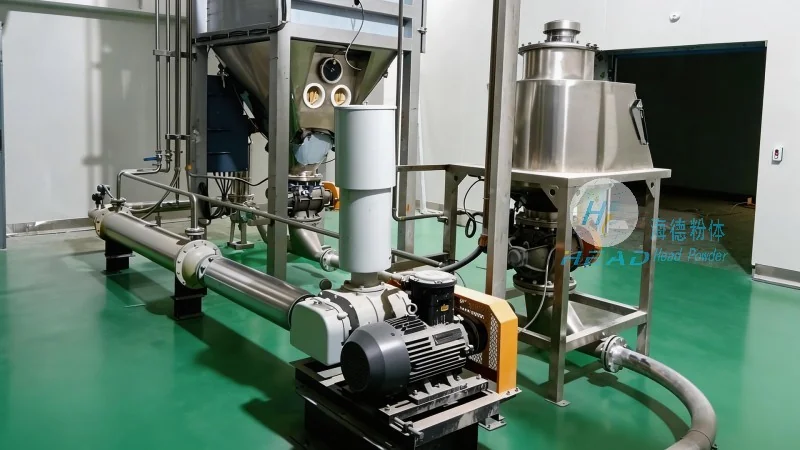
Another crucial aspect is the selection of appropriate equipment components. The system typically includes a hopper, feeder, air compressor, and conveying line. The hopper must be designed to accommodate the bulk storage of coal and stone powders, with features such as a sloped bottom to facilitate material flow and prevent bridging. The feeder, often a rotary valve or screw feeder, ensures a consistent material feed rate, which is vital for maintaining stable air flow and preventing surges or drops in material delivery.
The air compressor plays a pivotal role in generating the necessary pressure and airflow to transport the powders. The choice of compressor type—whether positive displacement or centrifugal—depends on the system's capacity and pressure requirements. Positive displacement compressors are preferred for high-pressure, low-volume applications, while centrifugal compressors are suitable for larger, lower-pressure systems. Additionally, the compressor's capacity must be matched to the system's demand to avoid overloading or underperformance.
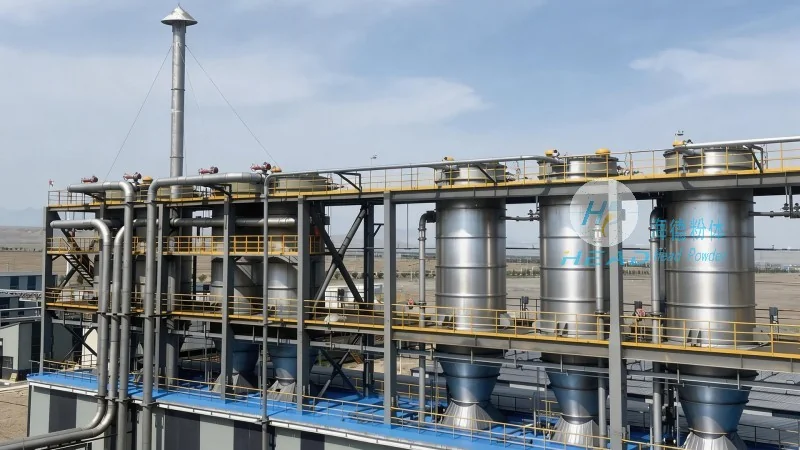
The conveying line itself is another critical design element. The material is transported through pipes under pressure, and the line's diameter, length, and material (e.g., stainless steel, carbon steel) are selected based on the powder's properties and the system's operating conditions. For abrasive materials like coal and stone powders, stainless steel or lined pipes are often used to minimize wear and extend the system's lifespan. The line's layout, including bends and fittings, must be designed to minimize pressure losses and prevent material deposition or blockages.
System Integration and Control
Effective integration of the pneumatic conveying system with other industrial processes is essential for seamless operation. This includes coordinating with storage silos, processing equipment, and discharge points to ensure a continuous material flow. The system's control mechanisms, such as pressure sensors, flow meters, and variable frequency drives (VFDs), are critical for monitoring and adjusting the operation in real-time. For example, VFDs can adjust the air compressor's speed to match the material feed rate, optimizing energy consumption and preventing overpressurization.
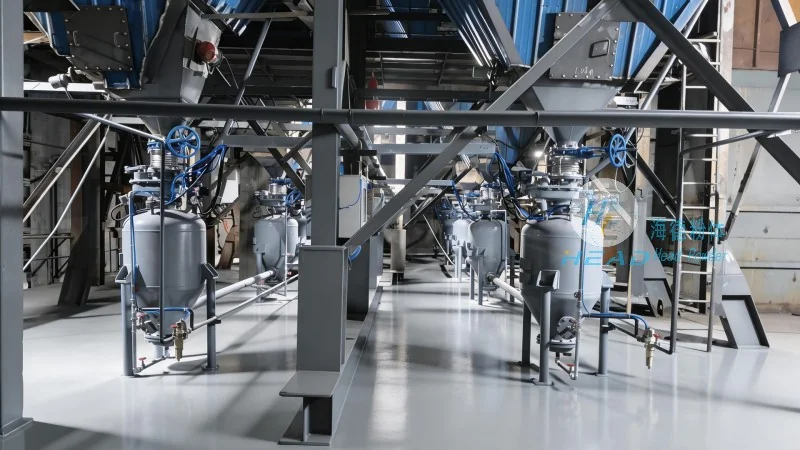
Furthermore, the system must be equipped with safety features to protect personnel and equipment. This includes pressure relief valves, explosion-proof components, and emergency shut-off mechanisms. Proper ventilation and dust collection systems are also necessary to maintain a safe working environment and comply with environmental regulations. These safety measures are particularly important when handling coal and stone powders, which can be hazardous if not managed correctly.
Maintenance and Operational Considerations
Regular maintenance is vital to ensure the long-term reliability of a coal and stone powder pneumatic conveying system. This includes inspecting and cleaning the hopper, feeder, and conveying line to prevent material buildup and blockages. The air compressor and other moving parts require routine lubrication and inspection to avoid breakdowns. Additionally, monitoring the system's performance parameters, such as pressure, flow rate, and material delivery, helps identify potential issues before they escalate into major problems.
Operational considerations also include the system's energy efficiency. By optimizing air flow and pressure, the system can reduce energy consumption and operating costs. For example, using variable speed drives to adjust the compressor's output based on demand can significantly lower energy usage compared to constant-speed operation. Furthermore, regular maintenance and proper system sizing can minimize energy waste and extend the equipment's lifespan.