

Design Considerations for the Pneumatic Conveying System of Copper Concentrate Powder
Pneumatic conveying systems are critical in the mineral processing industry, particularly for handling copper concentrate powder. These systems utilize air or gas to transport bulk materials like copper concentrate from one location to another, offering advantages such as reduced labor costs, minimized material degradation, and enhanced safety compared to traditional methods like belt conveyors or trucks. For companies operating in the copper mining and processing sector, selecting the right pneumatic conveying system is essential to optimize production efficiency and maintain product quality. This article explores key design considerations that ensure the successful implementation of such systems, with a focus on the expertise of Shandong HeadPowder Engineering Co., Ltd., a leading provider of engineering solutions for mineral handling.
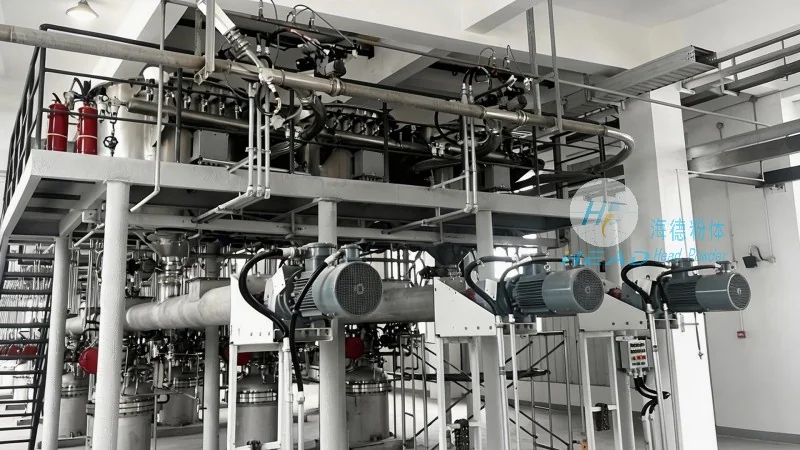
Key Design Considerations for Efficient Operation
The design of a copper concentrate pneumatic conveying system involves multiple factors that directly impact its performance and longevity. One of the primary considerations is the material's physical properties, including particle size, density, and moisture content. Copper concentrate powders often have varying particle sizes, which can affect the system's air velocity requirements and the risk of blockages. Engineers must carefully calculate the air velocity to ensure particles are carried efficiently without excessive energy consumption or material degradation. Additionally, the system's layout and the distance between the loading and unloading points are critical. A well-designed system minimizes the number of bends and changes in direction, as these can cause pressure drops and increase the likelihood of particle separation or clogging. HeadPowder specializes in assessing these factors and designing systems that balance efficiency with cost-effectiveness, ensuring that clients achieve optimal material transport with minimal operational issues.
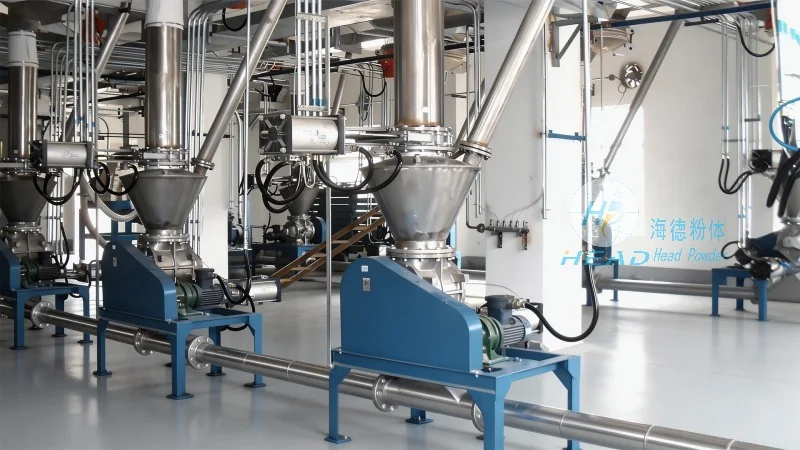
Material Properties and Their Impact on System Design
The characteristics of copper concentrate powder significantly influence the design of a pneumatic conveying system. For instance, the particle size distribution affects the system's air flow requirements. Fine particles may require higher air velocities to prevent settling, while larger particles might need lower velocities to avoid excessive wear on system components. The density of the material also plays a role, as higher density materials may necessitate more powerful air pumps or larger duct sizes to maintain adequate flow. Moisture content is another critical factor; excessive moisture can lead to clumping, which can cause blockages in the system. Engineers must consider the moisture content and incorporate drying mechanisms or moisture-resistant materials in the system design to prevent such issues. HeadPowder's engineers conduct thorough material analysis to understand these properties and tailor the system design accordingly, ensuring that the final solution is both effective and durable.
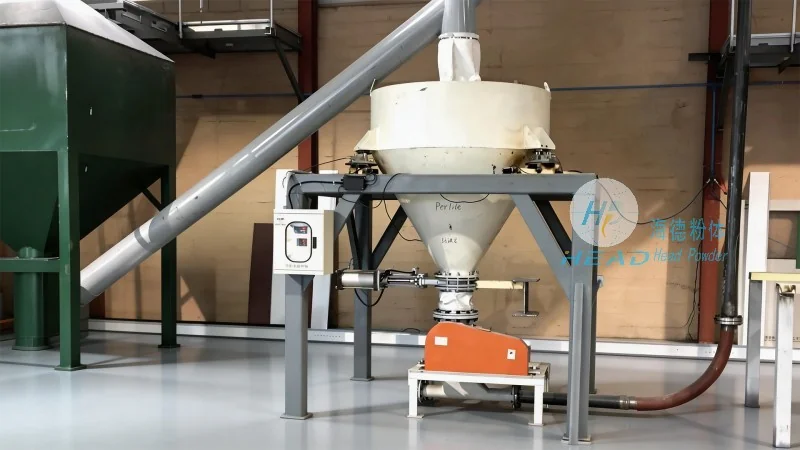
System Components and Their Role in Copper Concentrate Handling
A pneumatic conveying system for copper concentrate powder typically consists of several key components, each playing a vital role in the overall operation. The primary components include the material feed hopper, which holds the copper concentrate and regulates the flow into the system; the air or gas source, such as a blower or compressor, which provides the necessary pressure to move the material; the conveying line, which transports the material from the feed point to the discharge point; and the receiver or silo, where the material is deposited. The feed hopper is designed to prevent material bridging or segregation, ensuring a consistent flow. The air source must be capable of delivering the required pressure and volume, with options including positive displacement blowers or centrifugal compressors. The conveying line is usually made of materials like stainless steel or plastic, chosen based on the material's corrosiveness and abrasiveness. The receiver is often equipped with a dust collection system to control airborne particles and maintain environmental compliance. HeadPowder ensures that each component is selected and integrated to work seamlessly, optimizing the system's performance and reducing maintenance needs.
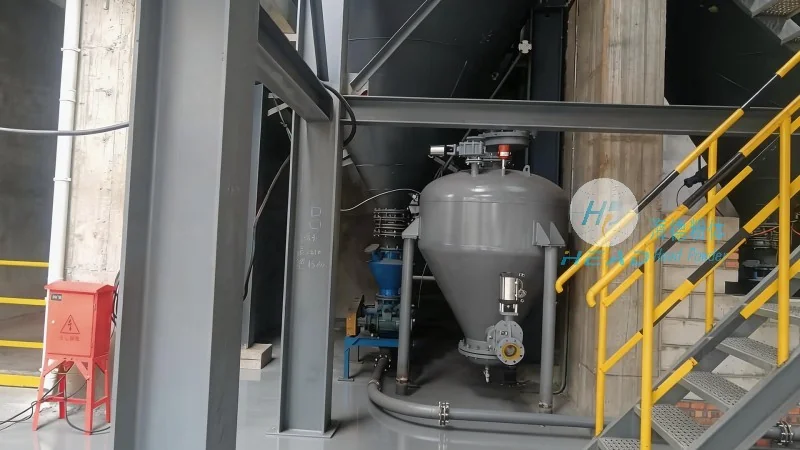
HeadPowder's Expertise in Engineering Pneumatic Conveying Solutions
Shandong HeadPowder Engineering Co., Ltd. is a trusted partner in the design and implementation of pneumatic conveying systems for copper concentrate powder. With years of experience in the mineral processing industry, HeadPowder has developed a deep understanding of the unique challenges associated with handling copper concentrate. The company's team of engineers and technicians work closely with clients to assess their specific needs, from material properties and production volumes to site constraints and operational goals. HeadPowder's approach is tailored to each project, ensuring that the final system meets all technical requirements while being cost-effective and easy to maintain. The company utilizes advanced design software and simulation tools to model the system and predict its performance before construction, minimizing the risk of errors and ensuring that the system operates as intended. HeadPowder's commitment to quality and customer satisfaction has made it a preferred choice for many copper mining and processing companies in China and beyond.