

Airborne Conveying Equipment for Food Additives: Structure and Principle of Powder Handling Systems
For industries dealing with food additives, the selection of appropriate material handling equipment is crucial. Among the various options, airborne conveying systems have emerged as a preferred solution due to their efficiency, hygiene, and ability to handle sensitive powders. This article delves into the structure and operational principles of such equipment, providing a comprehensive overview tailored for professionals in the food processing sector.
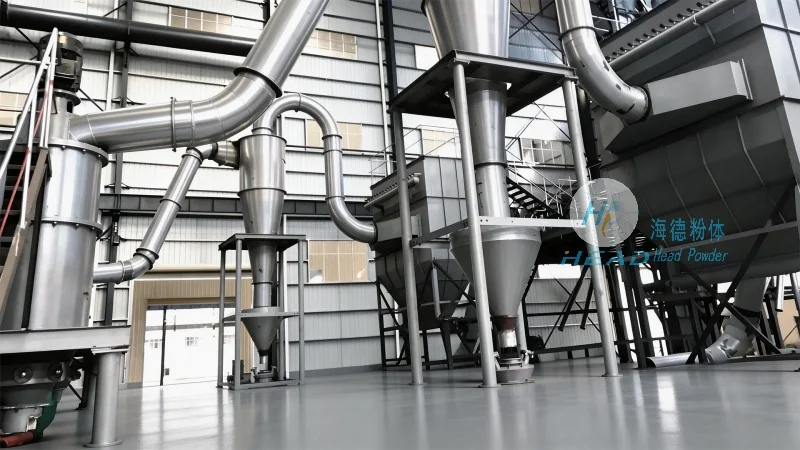
Understanding Airborne Conveying Systems for Food Additives
At the core of any effective powder handling operation is the ability to transport materials safely and efficiently. Airborne conveying, also known as pneumatic conveying, utilizes pressurized or suction air to move bulk powders through a network of pipes. This method is particularly advantageous in the food industry, where maintaining product integrity, preventing contamination, and ensuring compliance with regulatory standards are paramount. The equipment designed for this purpose must be constructed from materials that are non-toxic, easy to clean, and resistant to corrosion, aligning with the stringent requirements of food safety regulations.
Key Components of Food Additive Airborne Conveying Equipment
The structure of a typical airborne conveying system for food additives comprises several critical components, each playing a vital role in the overall operation. The primary components include:
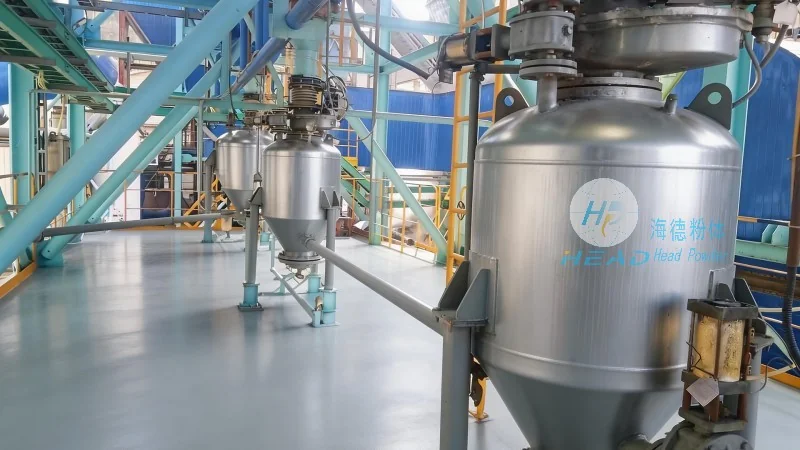
- Feed Hopper and Metering Device: This component is responsible for storing and controlling the flow of the food additive powder. It ensures a consistent feed rate, preventing overloading or underfeeding that could disrupt the conveying process. The metering device often includes a valve or a rotary feeder to regulate the material entering the system.
- Air Supply Unit: This unit generates the necessary air pressure or vacuum to move the powder. It may consist of a blower, compressor, or vacuum pump, depending on the system design. The air supply is filtered to remove contaminants, ensuring that the conveyed material remains clean and free from foreign particles.
- Conveying Pipe Network: The pipes form the main pathway for the powder and air mixture. The design of the pipe system, including bends, elbows, and straight sections, is critical to maintaining the flow velocity and preventing material deposition or blockages. For food applications, the pipes are typically made from stainless steel or food-grade plastic, with smooth interiors to minimize powder buildup.
- Separation and Collection Unit: At the receiving end of the system, this component separates the powder from the air. It may include a cyclone separator, bag filter, or a combination of both. The separated powder is collected in a receiving hopper, while the air is filtered and either vented or recirculated, depending on the system configuration.
- Control and Monitoring System: Modern airborne conveying systems are equipped with advanced control panels that monitor pressure, flow rate, and other parameters. This allows operators to adjust the system in real-time, optimizing performance and preventing operational issues. The control system may also include safety features such as pressure relief valves and emergency shut-off mechanisms.
Operational Principle of Airborne Conveying for Food Additives
The operational principle of an airborne conveying system for food additives is based on the interaction between the powder and the air stream. When the feed hopper is activated, the powder is introduced into the conveying pipe along with the pressurized air. The air flow creates a drag force on the powder particles, lifting them and transporting them through the pipe network. The velocity of the air is maintained above the minimum conveying velocity, which is the speed required to keep the powder suspended and prevent it from settling. The system operates by continuously feeding the powder and maintaining the air flow, ensuring a steady and reliable transfer of the material.

Benefits of Using Airborne Conveying Equipment for Food Additives
Implementing airborne conveying systems for food additives offers several advantages that make it a preferred choice in the industry. These benefits include:
- Enhanced Hygiene and Sanitation: The enclosed system prevents exposure to dust and contaminants, reducing the risk of cross-contamination. The materials used in the construction of the equipment are easy to clean and maintain, ensuring compliance with hygiene standards.
- Improved Efficiency and Cost Savings: Airborne conveying systems can handle large volumes of powder with minimal labor, reducing operational costs. The system's ability to transport materials over long distances without the need for manual handling or intermediate storage points increases overall efficiency.
- Flexibility and Scalability: The modular design of these systems allows for easy expansion or modification to accommodate changing production needs. The equipment can be configured to handle different types of food additives, making it versatile for various applications.
- Reduced Product Damage: The gentle handling of the powder by the air stream minimizes the risk of particle degradation or agglomeration, preserving the quality and characteristics of the food additive.
About Shandong HeadPowder Engineering Co., Ltd.
Shandong HeadPowder Engineering Co., Ltd., a leading manufacturer based in China, specializes in the design, development, and production of advanced powder handling equipment. With a strong commitment to quality and innovation, the company has established itself as a trusted partner for industries requiring reliable and efficient material handling solutions. The company's products are engineered to meet the specific needs of the food processing sector, ensuring compliance with international safety and hygiene standards. HeadPowder's expertise in airborne conveying technology has enabled the company to deliver customized solutions that enhance operational performance and product quality for its clients.