

Phosphorus Pentoxide Pneumatic Conveying Equipment: Structure and Principle of Powder Handling Syste
Phosphorus pentoxide (P₂O₅) is a highly reactive and hygroscopic chemical compound widely used in industrial applications, including the production of phosphoric acid, fertilizers, and specialty chemicals. Handling this powder efficiently and safely is critical to maintaining product quality and operational safety. Pneumatic conveying systems have become the preferred method for transporting phosphorus pentoxide due to their ability to handle fine powders while minimizing direct contact with the environment. This article provides a comprehensive overview of the structure and working principle of phosphorus pentoxide pneumatic conveying equipment, highlighting the key components and operational mechanisms involved.
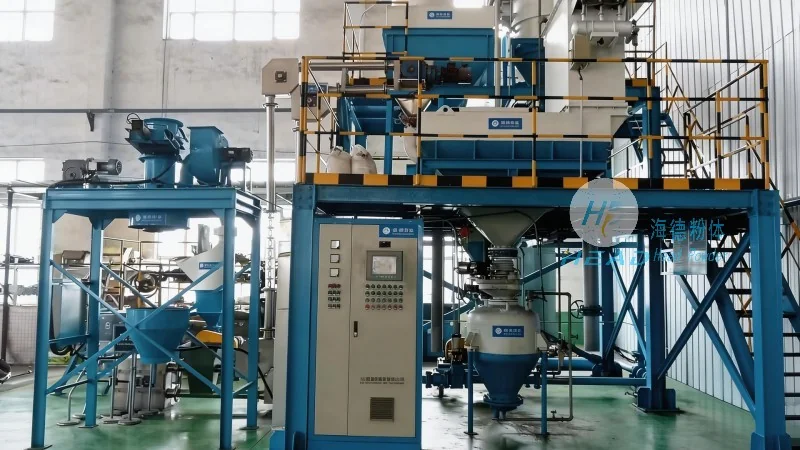
Introduction to Pneumatic Conveying for Phosphorus Pentoxide
Pneumatic conveying systems utilize air or other gases to transport bulk powders, such as phosphorus pentoxide, through a closed system. This method is particularly advantageous for materials like phosphorus pentoxide, which are prone to moisture absorption and degradation when exposed to air. The closed system design ensures that the material remains dry and free from contamination, preserving its chemical properties and extending its shelf life. Additionally, pneumatic conveying reduces the risk of dust explosions and improves workplace safety by containing the material within the system.
Key Components of Phosphorus Pentoxide Pneumatic Conveying Equipment
The effective operation of a pneumatic conveying system for phosphorus pentoxide relies on several interconnected components, each designed to perform a specific function. The primary components include the storage hopper, material feeder, air compressor, conveying line, and receiving hopper. Each component is carefully selected and integrated to ensure smooth and efficient material transport.
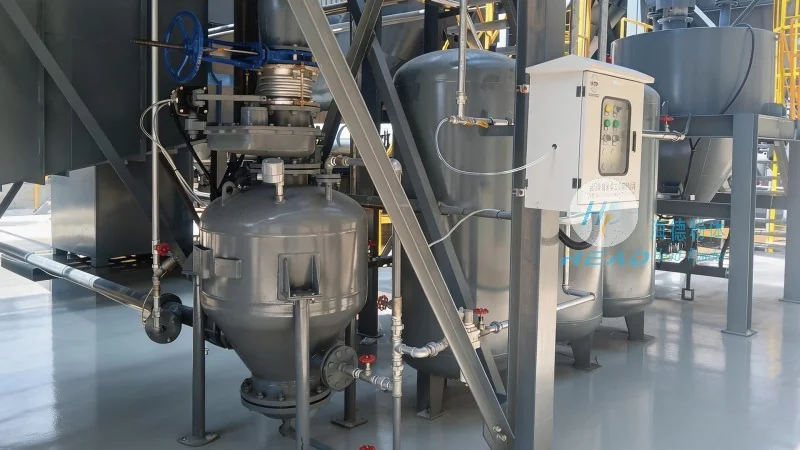
1. **Storage Hopper**: The storage hopper serves as the primary container for the phosphorus pentoxide. It is typically made of stainless steel or other corrosion-resistant materials to withstand the chemical properties of the powder. The hopper is designed with a sloped bottom to facilitate the flow of the powder into the feeder. A discharge valve is often installed at the bottom of the hopper to control the flow rate and prevent overfilling.
2. **Material Feeder**: The feeder is responsible for metering the phosphorus pentoxide from the hopper and introducing it into the conveying line. For fine powders like phosphorus pentoxide, a rotary valve or a star feeder is commonly used. These feeders can handle small particle sizes and maintain a consistent flow rate, which is crucial for preventing clogging and ensuring stable operation. The feeder is equipped with a seal to prevent air leakage and maintain the system's pressure.
3. **Air Compressor**: The air compressor generates the necessary air pressure to move the powder particles through the conveying line. The choice of compressor depends on the material's properties, such as particle size, density, and moisture content. For phosphorus pentoxide, a positive displacement compressor is often preferred because it provides a consistent air flow and pressure, which is essential for maintaining the powder's suspension. The compressor is typically equipped with a pressure regulator to control the output pressure and prevent excessive pressure buildup.
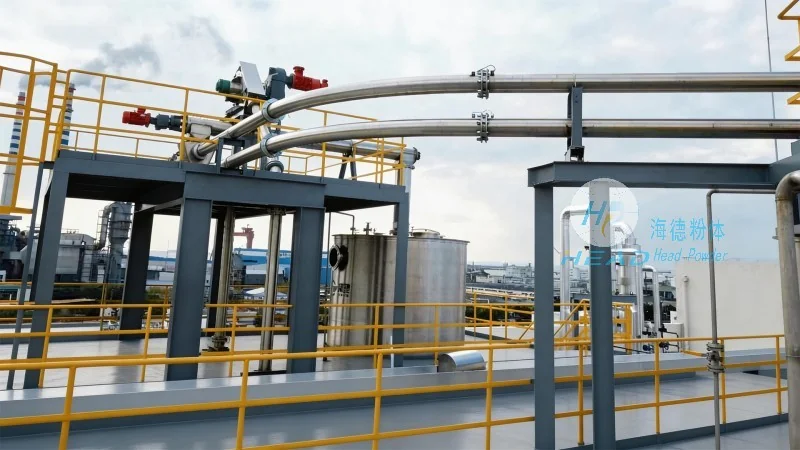
4. **Conveying Line**: The conveying line is the tube or pipe through which the air and powder mixture travels. It is made of materials resistant to corrosion and chemical reactions, such as stainless steel or PTFE-coated tubing. The line's diameter and length are carefully designed to minimize pressure drop and prevent particle segregation or deposition. Bends and elbows are used to direct the flow, and they are often equipped with smooth surfaces to reduce friction and maintain the powder's suspension.
5. **Receiving Hopper**: The receiving hopper is the final container where the conveyed phosphorus pentoxide is deposited. It is usually a hopper or a storage tank and is equipped with a discharge valve to allow the material to be removed for further processing or packaging. The hopper is designed to collect the powder efficiently and prevent air leakage, ensuring that the material remains contained within the system.