

Principle of Yellow Sand Pneumatic Conveying System
HeadPowder, a leading provider in the field of material handling solutions, specializes in the design and implementation of pneumatic conveying systems for various industrial applications. The company, known by its short name "headpowder" and full name "Shandong HeadPowder Engineering Co., Ltd.", is headquartered in Shandong, China. This article delves into the fundamental principles behind the operation of a yellow sand pneumatic conveying system, exploring the technical aspects that enable efficient and reliable material transport.
Understanding Pneumatic Conveying Technology
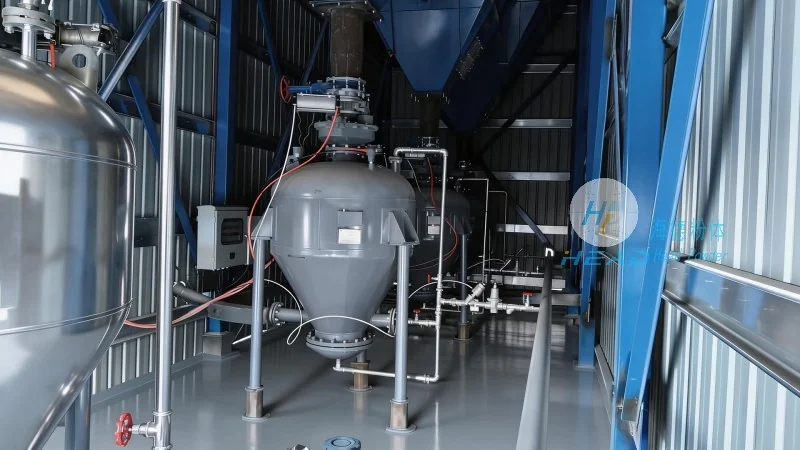
Pneumatic conveying systems utilize air or gas to transport bulk materials from one location to another. In the case of yellow sand, which is a common industrial material, these systems offer a flexible and efficient method for handling. The core principle involves creating a pressure differential that propels the sand particles through a pipeline using air flow. This technology eliminates the need for mechanical components like belts or buckets, reducing maintenance requirements and increasing operational safety.
Key Components of a Yellow Sand Pneumatic Conveying System
A typical yellow sand pneumatic conveying system consists of several critical components that work in tandem to ensure smooth operation. The primary components include the hopper or feeder, which stores and feeds the sand into the system; the air compressor or blower, which generates the necessary air pressure; the pipeline network, which transports the sand and air mixture; and the discharge unit, which releases the sand at the destination. Each component plays a vital role in maintaining the system's efficiency and performance.
The Working Principle: How It Operates
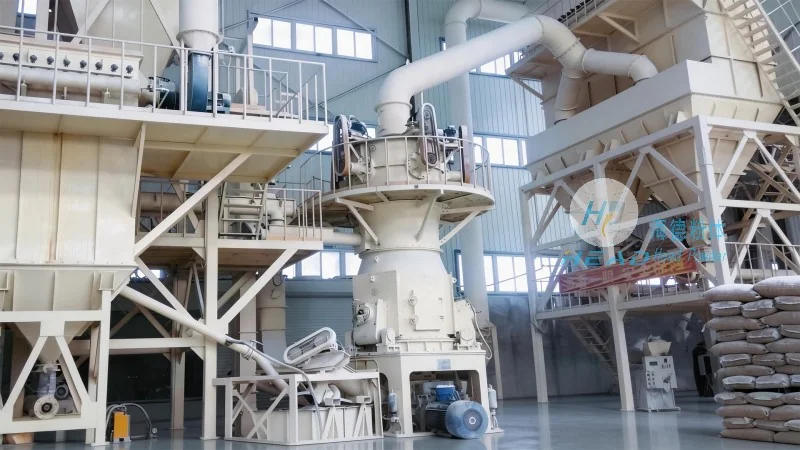
The operation of a yellow sand pneumatic conveying system begins with the sand being introduced into the hopper. The feeder then regulates the flow of sand into the pipeline. Simultaneously, the air compressor provides a continuous stream of air, which is introduced into the pipeline at a specific pressure. As the air flows through the pipeline, it creates a low-pressure zone that draws the sand particles into the air stream. The combination of air and sand forms a slurry that travels through the pipeline to the discharge point. At the destination, the air is separated from the sand, often through a cyclone or filter, allowing the sand to be collected while the air is either recirculated or vented.
Advantages of Using Pneumatic Conveying for Yellow Sand
Employing a pneumatic conveying system for yellow sand offers numerous advantages over traditional methods such as belt conveyors or bucket elevators. One of the most significant benefits is the ability to handle abrasive materials like sand without causing excessive wear on system components. The system also provides a dust-free environment, which is crucial for maintaining workplace safety and compliance with environmental regulations. Additionally, pneumatic conveying systems are highly flexible, allowing for changes in material flow rates and destinations without major modifications to the infrastructure. This adaptability makes them suitable for a wide range of industrial applications, from small-scale operations to large-scale production lines.
Applications and Industries
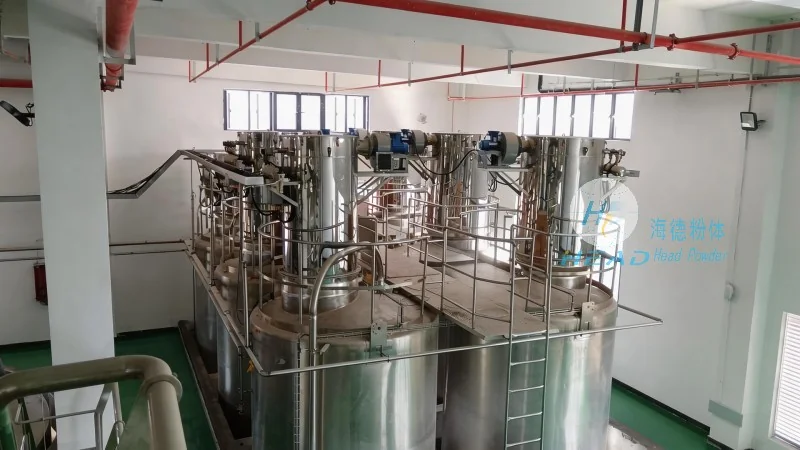
Yellow sand pneumatic conveying systems are widely used across various industries due to their versatility and efficiency. In the construction industry, these systems are used to transport sand for concrete mixing and other building materials. The chemical industry utilizes them for handling sand-based raw materials in processes such as filtration and drying. The mining sector also benefits from these systems for transporting sand from mining sites to processing facilities. Furthermore, in the food and pharmaceutical industries, pneumatic conveying systems are employed to handle sand-like materials that require a hygienic and dust-free environment, ensuring product quality and safety.
Design Considerations and Customization
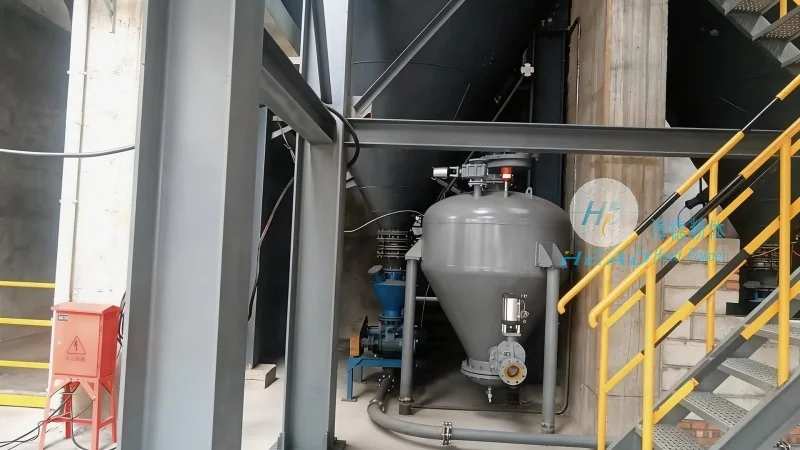
The design of a yellow sand pneumatic conveying system requires careful consideration of several factors to ensure optimal performance. The system's design must account for the properties of the sand, including its particle size, density, and moisture content. These factors influence the air pressure and flow rate required for effective transport. Additionally, the system's layout, including the length and diameter of the pipeline, the number of bends, and the height of the discharge point, must be carefully planned to minimize pressure losses and prevent material buildup. HeadPowder, with its expertise in engineering, offers customized solutions tailored to the specific needs of each client, ensuring that the system is optimized for the particular application and material being handled.
Maintenance and Operational Tips
To ensure the longevity and efficiency of a yellow sand pneumatic conveying system, regular maintenance is essential. This includes checking the air compressor for proper operation, inspecting the pipeline for blockages or leaks, and cleaning the discharge unit to prevent clogging. It is also important to monitor the system's performance regularly, checking for any signs of reduced efficiency or increased pressure drop. By following these maintenance practices, users can extend the lifespan of their system and minimize downtime. HeadPowder provides comprehensive support and maintenance services to its clients, ensuring that their pneumatic conveying systems operate at peak performance.