

[Principle of Pneumatic Rice Conveying System]
Shandong HeadPowder Engineering Co., Ltd., a leading manufacturer in the field, specializes in the design and implementation of pneumatic conveying systems tailored for rice handling. This article delves into the fundamental principles behind these systems, explaining how they efficiently transport rice from one location to another while maintaining product integrity.
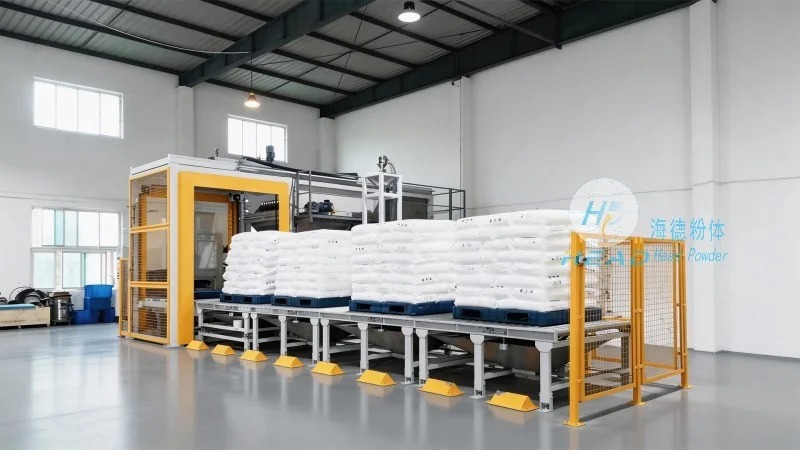
Working Principle of Pneumatic Rice Conveying Systems
The core of a pneumatic rice conveying system is the use of air pressure to move bulk materials like rice through a pipeline. The system typically consists of a hopper, an airlock feeder, a conveying line, and a discharge point. As rice enters the hopper, it is fed into the airlock feeder, which controls the flow rate and prevents air leakage. Compressed air is then introduced into the conveying line, creating a positive pressure that propels the rice particles forward. The air and rice mixture travels through the pipeline until it reaches the discharge point, where the air is separated from the rice, often using a cyclone separator or a filter.
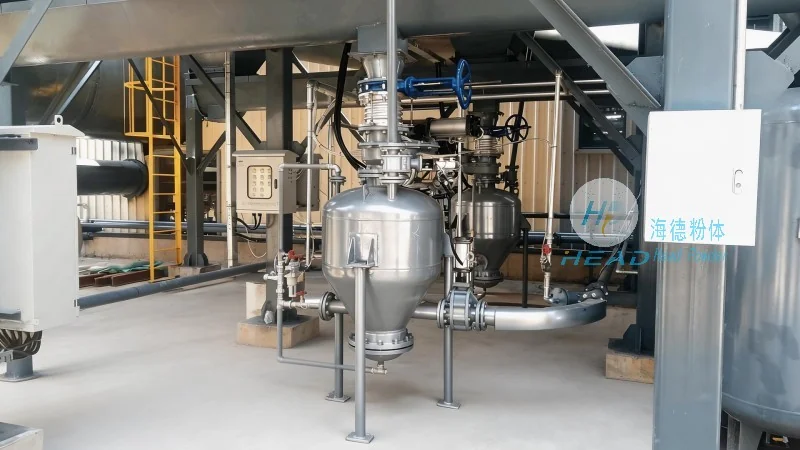
Advantages of Pneumatic Rice Conveying Systems
Compared to traditional mechanical conveyors, pneumatic systems offer several advantages for rice handling. They are gentle on the product, minimizing breakage and maintaining grain quality. The enclosed system also reduces dust and contamination, which is crucial for food-grade materials like rice. Additionally, pneumatic conveyors can handle varying flow rates and can be easily integrated with other processing equipment, providing flexibility in production lines. The system's ability to transport rice over long distances without the need for multiple transfer points also enhances operational efficiency.
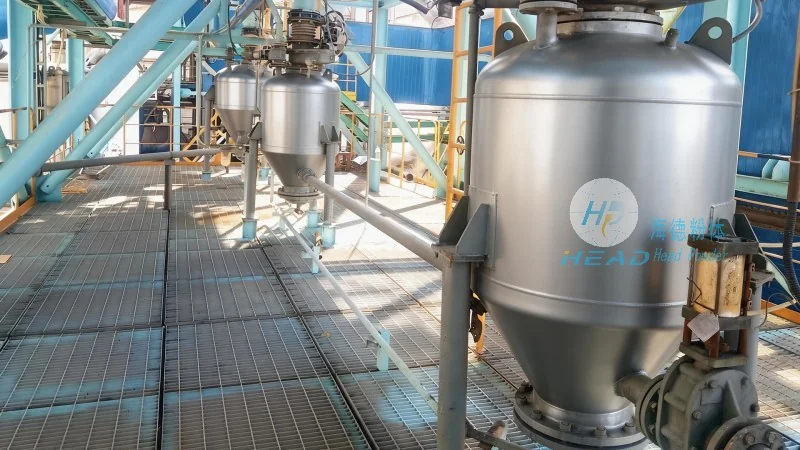
Applications in Rice Processing
Pneumatic rice conveying systems are widely used in rice mills and processing facilities. They are employed for transporting raw rice from storage silos to the milling equipment, conveying milled rice to packaging lines, and even for moving byproducts such as bran and hulls. The systems can handle different types of rice, including long-grain, short-grain, and parboiled rice, adapting to various processing requirements. The enclosed nature of the system also helps in maintaining hygiene standards, which is essential for meeting food safety regulations.
Efficiency and Maintenance Considerations
The efficiency of a pneumatic rice conveying system depends on several factors, including air pressure, flow rate, and pipeline design. Proper maintenance is crucial to ensure optimal performance. Regular cleaning of the hopper and conveying line prevents the buildup of rice residue, which can affect air flow and system efficiency. Checking the airlock feeder and compressor for wear and tear also helps in preventing breakdowns and ensuring consistent operation. By adhering to proper maintenance practices, rice processing facilities can maximize the lifespan of their pneumatic conveying systems and minimize downtime.
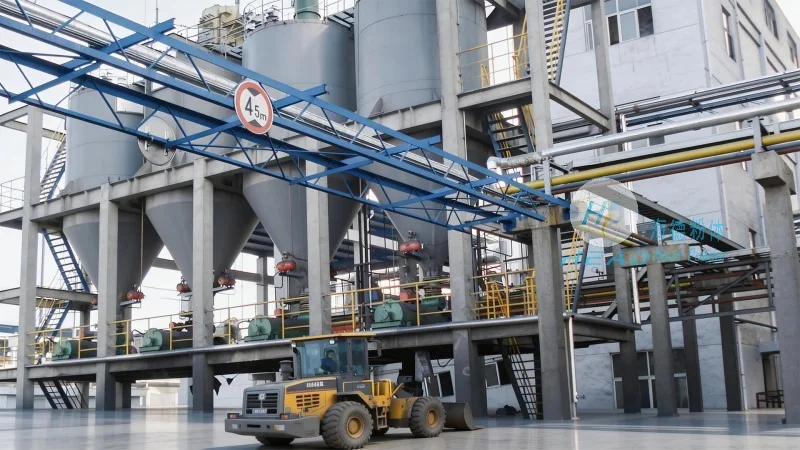
About Shandong HeadPowder Engineering Co., Ltd.
As a reputable company based in Shandong, China, Shandong HeadPowder Engineering Co., Ltd. leverages its expertise in engineering and manufacturing to provide high-quality pneumatic conveying solutions for the rice industry. With a focus on innovation and customer satisfaction, the company offers customized systems that meet the specific needs of rice mills and processing plants. By combining advanced technology with practical design, HeadPowder ensures that its pneumatic rice conveying systems are reliable, efficient, and cost-effective for its clients.