

Aluminum Oxide Particle Pneumatic Conveying Equipment: Structure and Principle of Powder Handling Sy
HeadPowder, a leading manufacturer based in Shandong, China, specializes in the design and production of advanced pneumatic conveying systems tailored for handling aluminum oxide particles. This equipment is a critical component in industrial processes where efficient and reliable powder transport is essential. The following sections will delve into the structural design and operational principles of these systems, providing a comprehensive understanding of how they function to ensure optimal performance in various applications.
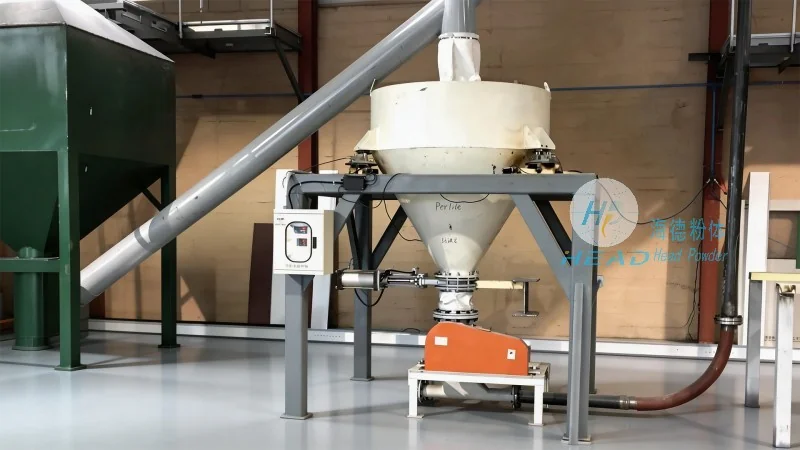
Company Overview: Shandong HeadPowder Engineering Co., Ltd.
HeadPowder, operating from its headquarters in Shandong, China, is dedicated to delivering high-quality pneumatic conveying solutions. With years of experience in the field, the company has established itself as a trusted provider of equipment that meets stringent industrial standards. The expertise of HeadPowder's engineering team ensures that each system is customized to the specific requirements of aluminum oxide handling, whether for bulk material transport or precise dosing applications.
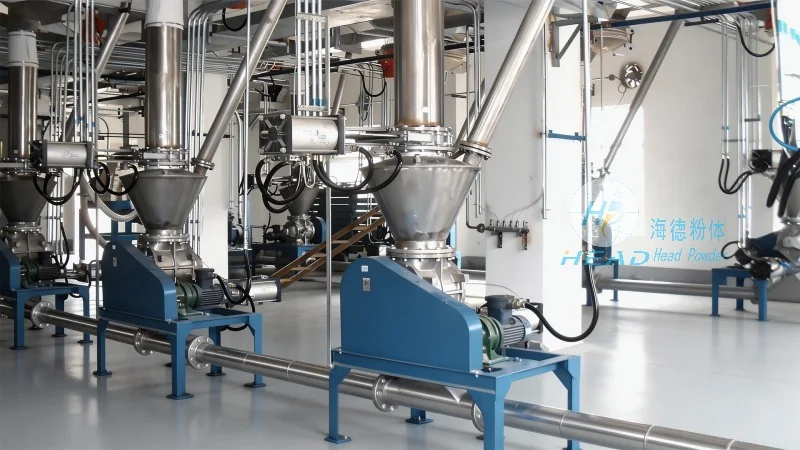
Core Components of Pneumatic Conveying Systems for Aluminum Oxide
The pneumatic conveying equipment for aluminum oxide consists of several key components that work in tandem to facilitate the movement of particles. The primary elements include the hopper, which serves as the storage and feeding unit, ensuring a consistent flow of material. The feeder, typically a rotary valve or a screw feeder, regulates the discharge rate of aluminum oxide into the conveying line. The pipeline system, often made of stainless steel or other corrosion-resistant materials, transports the particles under pressure. The compressor or blower generates the necessary air flow, creating a positive or negative pressure environment to move the particles. Additionally, the system may include filters and cyclones to separate the conveyed particles from the air, ensuring clean and efficient operation.
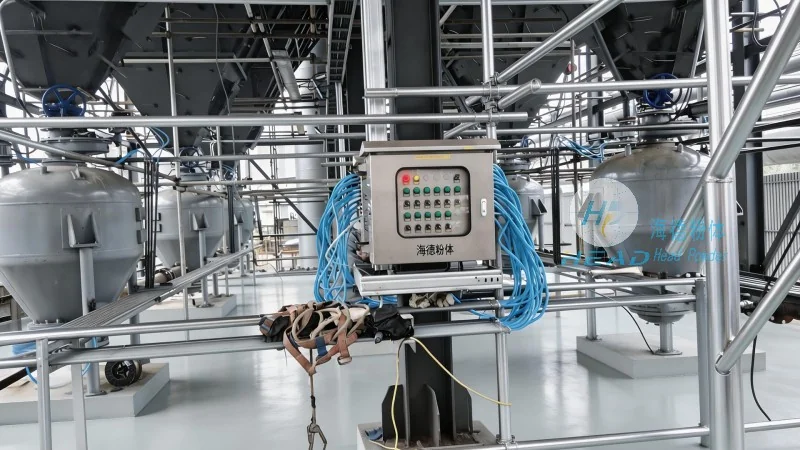
Structural Design and Operational Principles
The structural design of the pneumatic conveying equipment is engineered to handle the unique properties of aluminum oxide particles. These particles are often fine and can be abrasive, requiring robust construction to prevent wear and tear. The hopper is designed with a sloped bottom to minimize material bridging and ensure smooth discharge. The feeder is equipped with wear-resistant liners to withstand the abrasive nature of aluminum oxide, extending the equipment's service life. The pipeline system is configured with appropriate bends and fittings to maintain the air flow efficiency and prevent particle deposition. The operational principle relies on the creation of a pressure differential: in positive pressure systems, air is forced through the pipeline, carrying the particles; in negative pressure systems, air is drawn through the pipeline, creating a vacuum that pulls the particles. Both systems are designed to maintain the optimal air-to-particle ratio to ensure efficient transport without excessive energy consumption.
Advantages of Using Pneumatic Conveying for Aluminum Oxide
Implementing pneumatic conveying systems for aluminum oxide offers several advantages over traditional methods such as belt conveyors or bucket elevators. The primary benefit is the ability to transport particles in a closed system, minimizing dust emissions and environmental contamination. This is particularly important for aluminum oxide, which can be hazardous if released into the air. Additionally, pneumatic conveying allows for precise control over the flow rate and dosing, ensuring consistent product quality in downstream processes. The systems are also compact and can be integrated into existing industrial layouts, reducing space requirements. Furthermore, the lack of mechanical contact between the particles and the conveying components reduces product contamination and wear, leading to lower maintenance costs and longer equipment lifespan.
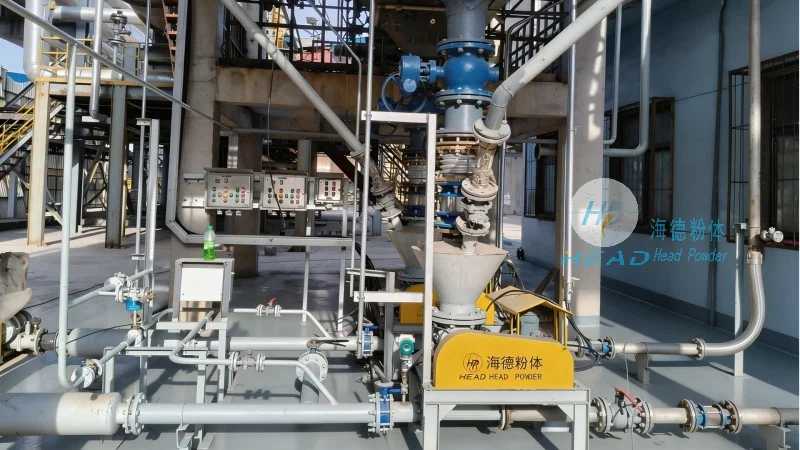
Application Examples and Industry Impact
Pneumatic conveying equipment for aluminum oxide is widely used in various industries, including chemical manufacturing, pharmaceuticals, and ceramics. In chemical plants, it is used to transport aluminum oxide as a raw material for the production of aluminum compounds. In pharmaceutical applications, the equipment ensures the safe and hygienic handling of aluminum oxide used in drug formulations. In the ceramics industry, it is employed to convey aluminum oxide powders for the production of high-quality ceramic products. The consistent and efficient transport of aluminum oxide through these systems enhances production efficiency, reduces downtime, and improves overall product quality. The reliability of pneumatic conveying systems also contributes to a safer working environment by minimizing dust exposure and the risk of material spills.