

What is a Lithium Iron Carbonate Pneumatic Conveying Equipment? Introduction to the Structure and Wo
Understanding the structure and working principle of pneumatic conveying equipment is crucial for industries dealing with fine powders such as lithium iron carbonate. This equipment is designed to efficiently transport bulk materials through a pressurized or vacuum system, ensuring minimal product degradation and optimal process control. The following sections will delve into the key components, operational mechanisms, and practical applications of this specialized powder handling technology.
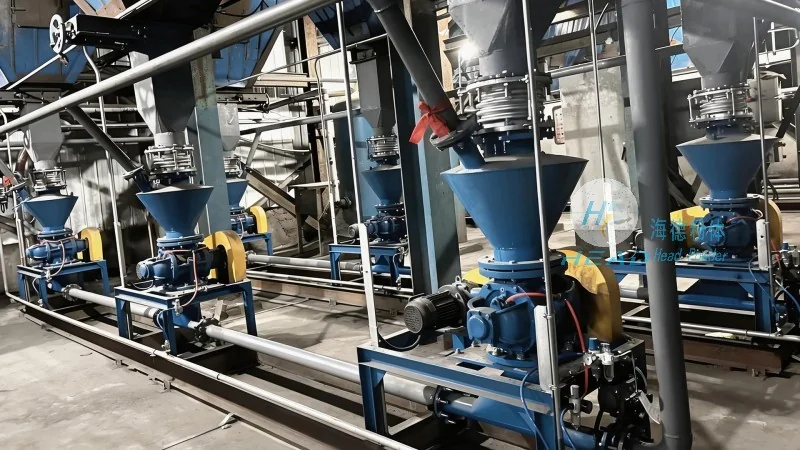
Key Structural Components of the Pneumatic Conveying System
The lithium iron carbonate pneumatic conveying equipment typically consists of several core components that work in concert to achieve reliable material transport. The primary elements include a material feed hopper, a conveying pipeline, a pressure or vacuum source, and a discharge outlet. The feed hopper is responsible for storing and metering the lithium iron carbonate powder, ensuring a consistent flow rate into the system. It often features a hopper design with a conical bottom to facilitate smooth discharge and prevent material bridging or caking. The conveying pipeline, usually made of stainless steel or other corrosion-resistant materials, is designed to withstand the abrasive nature of the powder and the pressure differentials involved. The pipeline may include bends, elbows, and expansion joints to accommodate changes in direction and accommodate thermal expansion. The pressure or vacuum source, which can be a blower, compressor, or vacuum pump, generates the necessary airflow to move the powder particles through the system. This component is critical for maintaining the desired velocity and pressure within the pipeline. Finally, the discharge outlet is where the conveyed material is released, often into a collection bin or processing unit. It may include a filter or separator to prevent any fine particles from escaping into the environment.
Working Principle of the Pneumatic Conveying Process
The operation of the lithium iron carbonate pneumatic conveying equipment is based on the principle of fluidization and particle suspension. When the pressure source is activated, air is introduced into the conveying pipeline at a velocity sufficient to lift and transport the powder particles. The powder is carried along with the air stream, forming a dilute or dense phase flow depending on the system design and operating conditions. In the dilute phase system, the powder is dispersed as individual particles within the air, while in the dense phase system, the powder forms a slurry-like mixture with the air. The key to efficient transport is maintaining a stable velocity within the pipeline, which is typically between 20 to 30 meters per second for fine powders like lithium iron carbonate. This velocity ensures that the particles remain suspended and do not settle or deposit on the pipeline walls. The system also incorporates control mechanisms to regulate the flow rate and pressure, such as flow meters and pressure sensors, to maintain optimal performance and prevent system overload or underload conditions.
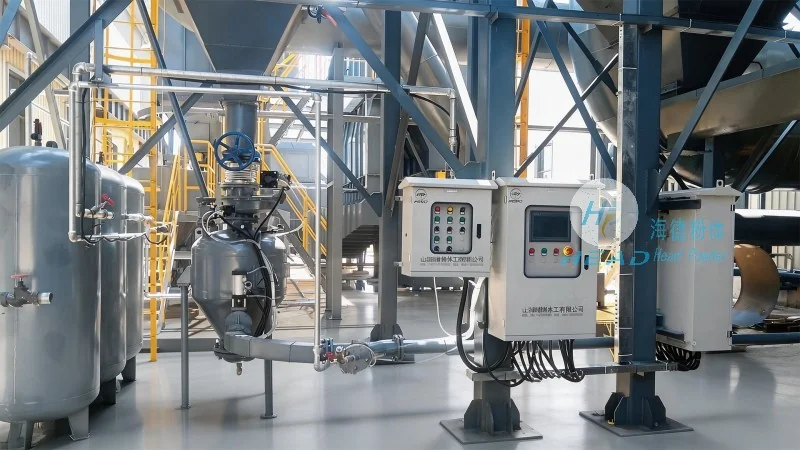
Advantages of Using Pneumatic Conveying for Lithium Iron Carbonate
Compared to traditional mechanical conveying methods, pneumatic conveying offers several advantages for handling lithium iron carbonate. One of the primary benefits is the ability to transport materials over long distances without the need for multiple transfer points or intermediate storage. This reduces the risk of contamination and product loss, which is particularly important for high-value materials like lithium iron carbonate used in battery manufacturing. Additionally, pneumatic conveying systems are more flexible in terms of layout and can be easily integrated into existing production lines. They can handle a wide range of particle sizes and moisture contents, making them suitable for various processing stages. The enclosed system also minimizes dust emissions and improves workplace safety, which is a significant concern in powder handling operations. Furthermore, the equipment can be designed to operate under sterile conditions, which is essential for pharmaceutical or food-grade applications where lithium iron carbonate might be used. Overall, the use of pneumatic conveying enhances process efficiency, reduces operational costs, and improves product quality by maintaining consistent particle size distribution and moisture content.
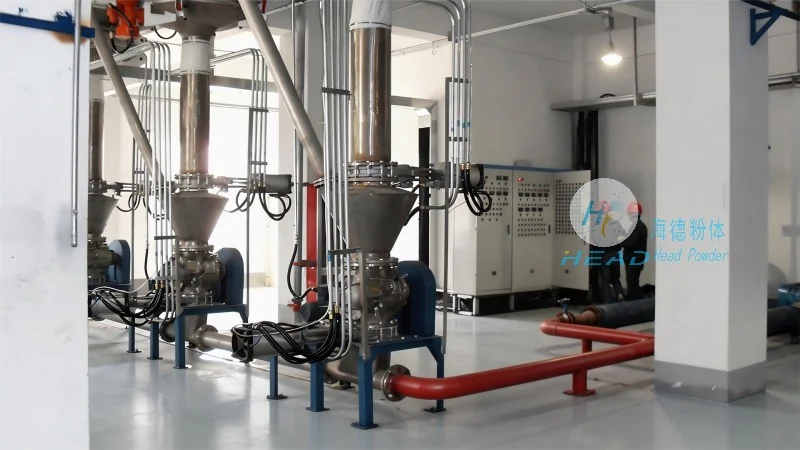
Applications in the Lithium-Ion Battery Industry
Lithium iron carbonate is a critical raw material in the production of lithium-ion batteries, and the efficiency of its handling directly impacts the overall battery manufacturing process. Pneumatic conveying equipment is widely used in battery cell factories to transport lithium iron carbonate from storage silos to mixing and coating lines. The equipment ensures that the powder is delivered to the production line in a controlled manner, preventing clogging or uneven distribution that could affect battery performance. In the mixing stage, the lithium iron carbonate is combined with other active materials and binders to form the cathode slurry. The pneumatic conveying system plays a vital role in maintaining the homogeneity of this slurry, which is crucial for achieving uniform battery performance across production batches. The discharge outlet of the conveying equipment is often connected to a high-shear mixer, where the powder is mixed with the binder and solvent to create a smooth, consistent slurry. This slurry is then applied to the aluminum foil to form the cathode layer, and the uniformity of the powder distribution directly influences the battery's energy density and cycle life. Therefore, the reliability and precision of the pneumatic conveying system are essential for producing high-quality lithium-ion batteries.
Maintenance and Operational Considerations
Proper maintenance of the lithium iron carbonate pneumatic conveying equipment is essential to ensure long-term performance and minimize downtime. Regular inspection of the conveying pipeline for signs of wear or corrosion is necessary, as the abrasive nature of the powder can cause damage over time. The material feed hopper should be checked for any buildup of material or caking, which can affect the flow rate and cause blockages. The pressure source and control valves should be inspected for proper operation and adjusted as needed to maintain the desired pressure and flow rate. The discharge outlet and any associated filters or separators should be cleaned regularly to prevent clogging and ensure efficient material discharge. Additionally, the system should be operated within the recommended velocity and pressure ranges to avoid excessive wear on components and to maintain optimal transport efficiency. Regular maintenance schedules, including lubrication of moving parts and replacement of worn seals, should be followed to extend the equipment's lifespan. By adhering to these operational guidelines, manufacturers can ensure that the pneumatic conveying system operates efficiently and reliably, providing consistent performance for the handling of lithium iron carbonate.