

[What is an Iron(II) Oxide Pneumatic Conveying Equipment? An Introduction to the Structure and Princ
Iron(II) oxide, also known as ferrous oxide, is a common iron-based powder used in various industrial applications. The efficient and safe transportation of this material is crucial for production processes. This article provides an overview of the iron(II) oxide pneumatic conveying equipment, detailing its structure and working principle as part of the broader category of powder handling systems.
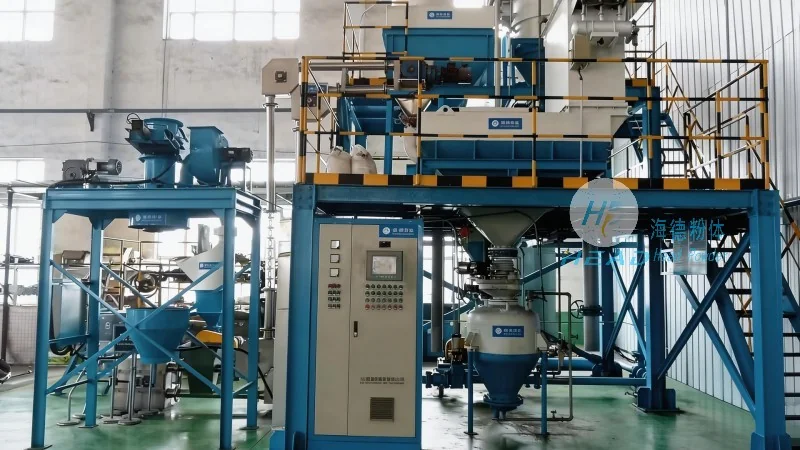
The Role of Pneumatic Conveying in Iron(II) Oxide Handling
Pneumatic conveying systems are widely used for transporting dry powders like iron(II) oxide due to their ability to handle fine particles without the need for mechanical components that might cause contamination or wear. These systems use compressed air to move the material through a pipeline, ensuring a clean and controlled transfer process. For iron(II) oxide, which can be sensitive to moisture and temperature changes, a well-designed pneumatic conveying system is essential to maintain product quality and integrity.
Key Components of the Iron(II) Oxide Pneumatic Conveying System
The iron(II) oxide pneumatic conveying equipment typically consists of several key components that work together to ensure efficient operation. These include a hopper or storage silo for material storage, a feeder to control the flow rate, a venturi or eductor to create the air flow, a pipeline system for material transport, and a receiver or discharge unit for the final product. Each component plays a critical role in the overall system performance.
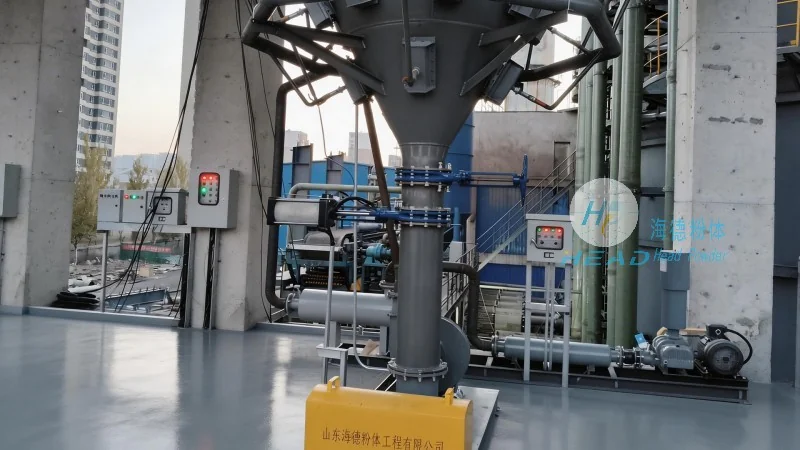
Structure and Working Principle of the Pneumatic Conveying Equipment
When the system is activated, the feeder releases a controlled amount of iron(II) oxide powder into the pipeline. Simultaneously, compressed air is introduced into the venturi or eductor, creating a low-pressure zone that draws the powder particles into the air stream. The mixture of air and powder travels through the pipeline to the receiver, where the air is separated from the material, typically using a cyclone or filter system. The separated iron(II) oxide is then collected in the receiver, while the air is either vented to the atmosphere or recirculated back into the system. This process ensures a continuous and reliable flow of iron(II) oxide from the storage to the processing or packaging area.
Advantages of Using Pneumatic Conveying for Iron(II) Oxide
There are several advantages to using pneumatic conveying systems for iron(II) oxide transportation. Firstly, it provides a closed system that minimizes dust exposure and environmental contamination, which is important for both safety and regulatory compliance. Secondly, the system can handle varying flow rates and particle sizes, making it adaptable to different production needs. Thirdly, the equipment is relatively simple in design, reducing maintenance requirements and operational costs. Additionally, the absence of mechanical parts like belts or screws prevents wear and tear, extending the equipment's lifespan.
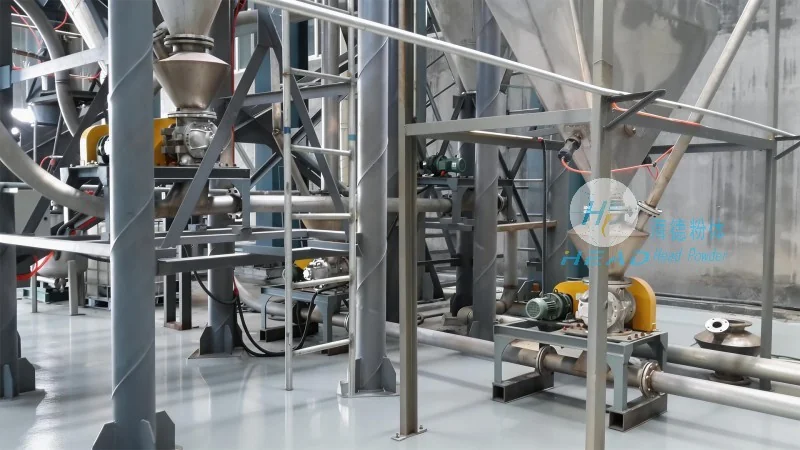
Company Information: Shandong HeadPowder Engineering Co., Ltd.
For those seeking reliable iron(II) oxide pneumatic conveying equipment, Shandong HeadPowder Engineering Co., Ltd. offers high-quality solutions tailored to specific industrial requirements. As a leading manufacturer in the powder handling industry, HeadPowder specializes in designing and manufacturing pneumatic conveying systems that meet the demands of various applications, including those involving iron(II) oxide. The company's products are engineered with precision and durability in mind, ensuring long-term performance and customer satisfaction. With a focus on innovation and customer service, HeadPowder provides comprehensive support from system design to installation and maintenance, helping clients optimize their material handling processes.
Conclusion
In summary, the iron(II) oxide pneumatic conveying equipment is a vital component in the efficient handling of this important industrial powder. By understanding its structure and working principle, users can appreciate the benefits of using such systems for safe, clean, and reliable transportation. For businesses requiring specialized equipment, Shandong HeadPowder Engineering Co., Ltd. stands ready to provide tailored solutions that enhance operational efficiency and product quality.