

What is Coal and Limestone Powder Pneumatic Conveying Equipment? An Introduction to the Structure an
For industries dealing with bulk materials like coal and limestone powder, efficient and reliable material handling is crucial. Pneumatic conveying systems offer a solution that minimizes dust, reduces material loss, and enhances overall operational safety. This article provides an in-depth look at the coal and limestone powder pneumatic conveying equipment, exploring its structural components and operational principles.
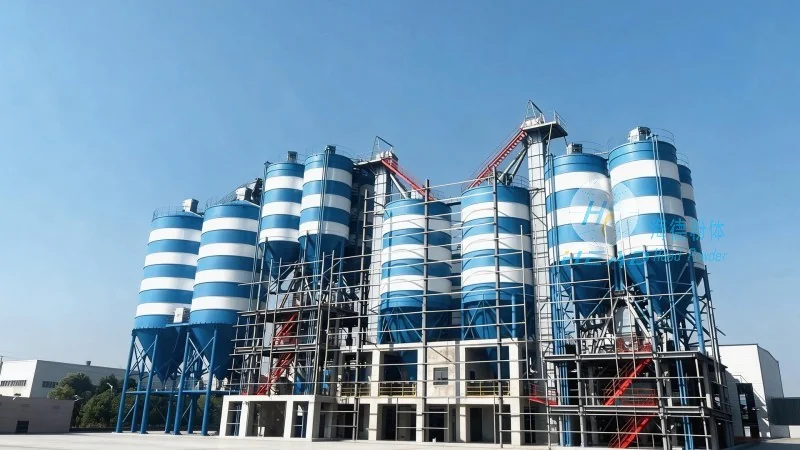
Structural Components of Pneumatic Conveying Equipment
The core of any pneumatic conveying system is its integrated components, each playing a vital role in the material transport process. The system typically includes a hopper for material storage, a feeder to control the flow rate, a conveyor line (either positive or negative pressure), and a receiver for the discharged material. For coal and limestone powder, the equipment is often designed with robust materials to withstand abrasive and corrosive conditions, ensuring long-term durability in demanding industrial environments.
Working Principle of Pneumatic Conveying
The operation of the pneumatic conveying equipment relies on the movement of air or gas to transport the powder. In a positive pressure system, air is blown into the conveyor line, creating a high-pressure environment that pushes the material forward. The material is suspended in the air stream and travels through the pipeline to the destination. In contrast, a negative pressure system draws air out of the line, creating a vacuum that pulls the material from the source to the receiver. Both systems are commonly used in coal and limestone powder handling, with the choice depending on the specific application and material characteristics, such as particle size and moisture content.
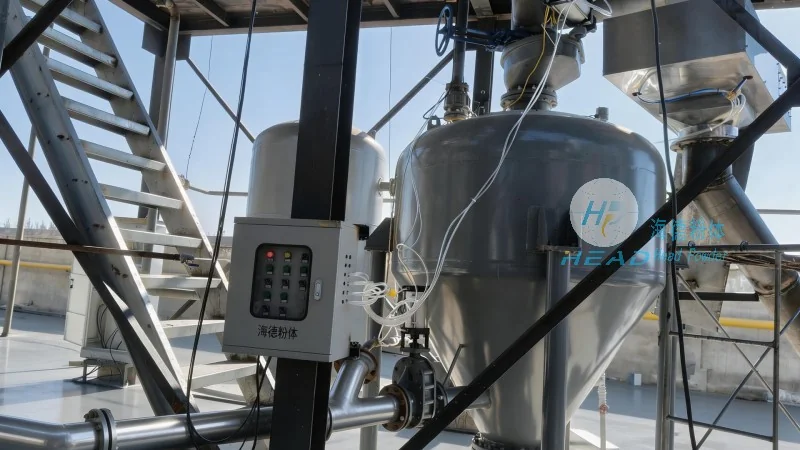
Key Features and Advantages
Coal and limestone powder pneumatic conveying equipment from Shandong HeadPowder Engineering Co., Ltd. (headpowder) is engineered with several key features that enhance performance and durability. The equipment is designed to handle high volumes of material with minimal maintenance, ensuring consistent operation over extended periods. The use of high-quality materials, such as stainless steel and wear-resistant coatings, protects against corrosion and abrasion, extending the equipment's lifespan. Additionally, the system is equipped with advanced control mechanisms that allow for precise regulation of material flow, preventing overloading or underflow issues and optimizing energy consumption.
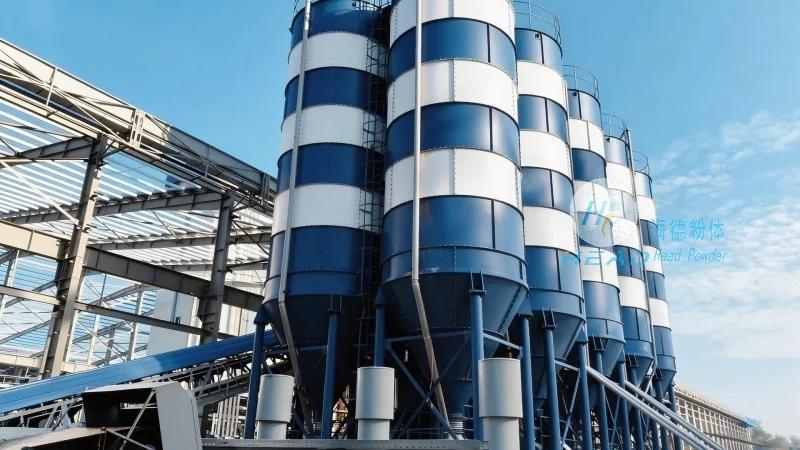
Application Scenarios
The versatility of pneumatic conveying equipment makes it suitable for various applications in the coal and limestone industries. It is commonly used in mining operations to transport raw coal from mines to processing facilities, as well as in cement and power plants to move limestone for combustion or raw material processing. The equipment is also utilized in industrial plants for material transfer between different processing stages, ensuring smooth workflow and reducing downtime. In addition, the system is effective in applications where dust control is critical, such as in food processing or pharmaceutical industries, though this article focuses specifically on coal and limestone powder handling.
Maintenance and Operational Considerations
To ensure optimal performance and longevity of the pneumatic conveying equipment, regular maintenance is essential. This includes checking the condition of the conveyor line for any signs of wear or blockages, inspecting the feeder and hopper for material buildup, and verifying the air pressure or vacuum levels. Proper maintenance not only prevents system failures but also reduces the risk of material contamination and environmental issues. Additionally, operators should be trained on the proper operation of the equipment to avoid misuse that could lead to damage or inefficiency. Regular cleaning of the hopper and feeder is also recommended to prevent material bridging or caking, which can disrupt the flow and reduce system efficiency.