

[LITHIUM-ION BATTERY ANODE MATERIAL HANDLING: POSITIVE PRESSURE VS. NEGATIVE PRESSURE CONVEYING? HOW
When it comes to the handling and conveying of lithium-ion battery anode materials, selecting the appropriate method is crucial for ensuring efficiency, safety, and material integrity. Two primary approaches are commonly considered: positive pressure conveying and negative pressure conveying. Understanding the distinctions between these methods is essential for making an informed decision that aligns with operational requirements and material characteristics.
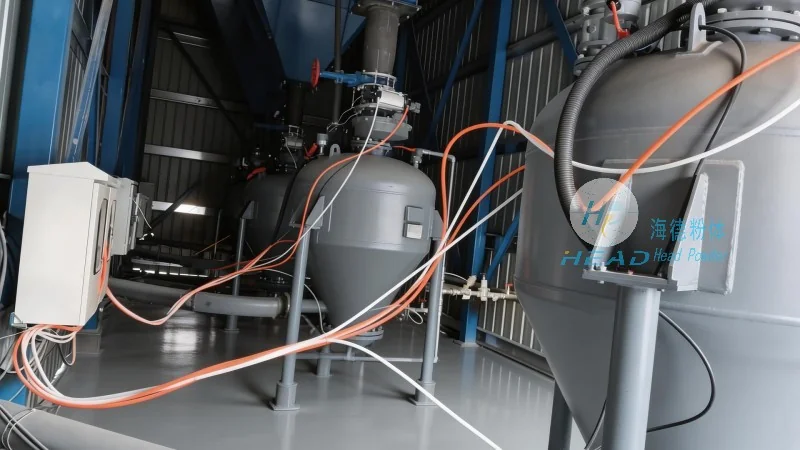
Key Differences Between Positive and Negative Pressure Conveying
Positive pressure conveying involves blowing air or gas into a system to move materials. This method creates a pressure differential where the conveying line is under positive pressure relative to the ambient environment. Conversely, negative pressure conveying operates by creating a vacuum or reduced pressure within the system, drawing materials into the conveying line. The choice between these approaches depends on factors such as material properties, dust control needs, and system design constraints.
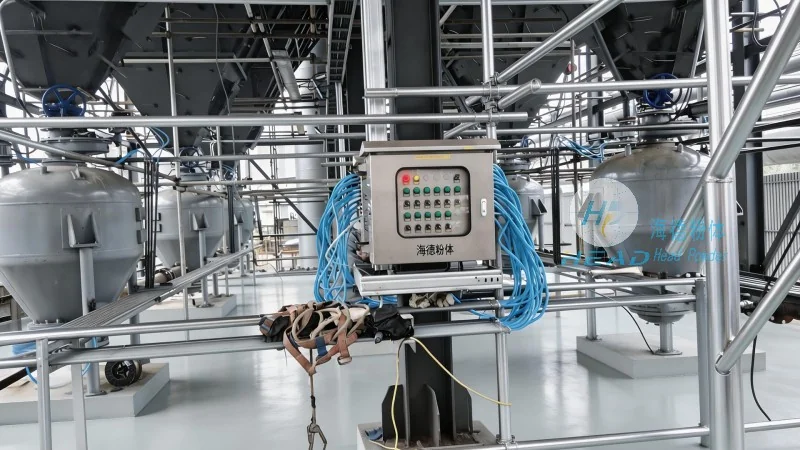
Factors Influencing the Choice of Conveying Method
Several key factors must be evaluated when deciding between positive and negative pressure conveying for lithium-ion battery anode materials. These include the material's dustiness and potential for generating fine particles, the need for containment and environmental protection, and the system's overall energy efficiency. For instance, materials that are highly dust-sensitive or produce fine powders may benefit from negative pressure systems, which can better contain and control particulate emissions. On the other hand, positive pressure systems might be preferred for materials that are less prone to dust generation or where the system design prioritizes simplicity and lower initial costs.
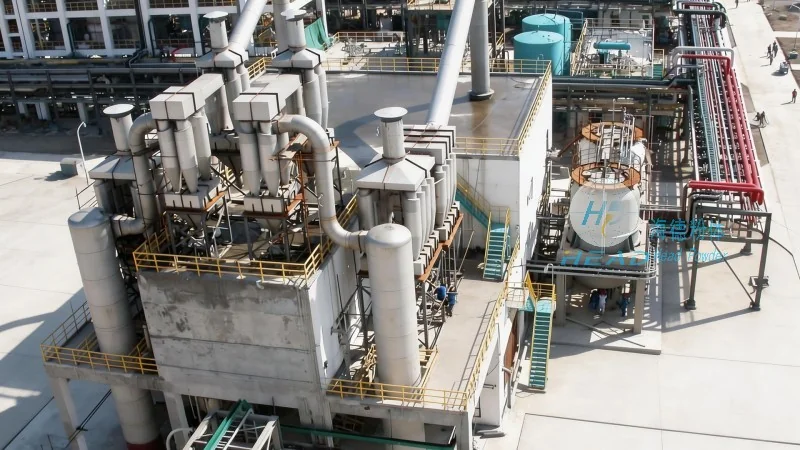
Application Considerations for Lithium-Ion Battery Anode Materials
Specific applications within the lithium-ion battery manufacturing process can influence the choice of conveying method. For example, in the initial stages of material handling, where raw anode powders are transferred from storage to processing equipment, positive pressure conveying may be suitable due to its ability to handle bulk materials efficiently. However, as materials progress through subsequent processing steps, such as mixing or coating, negative pressure conveying might be employed to minimize contamination and maintain material purity. The decision also considers the scale of operations, with larger-scale production lines often requiring more robust and specialized conveying systems.
Role of HeadPowder Engineering in Conveying Solutions
Shandong HeadPowder Engineering Co., Ltd. specializes in providing tailored conveying solutions for the lithium-ion battery industry. With a focus on material handling efficiency and safety, the company offers expertise in both positive and negative pressure conveying systems. By understanding the unique characteristics of anode materials, HeadPowder Engineering can design and implement systems that optimize material flow while adhering to industry standards for dust control and environmental compliance. The company's solutions are tailored to meet the specific needs of clients, ensuring that the chosen conveying method aligns with operational goals and material requirements.
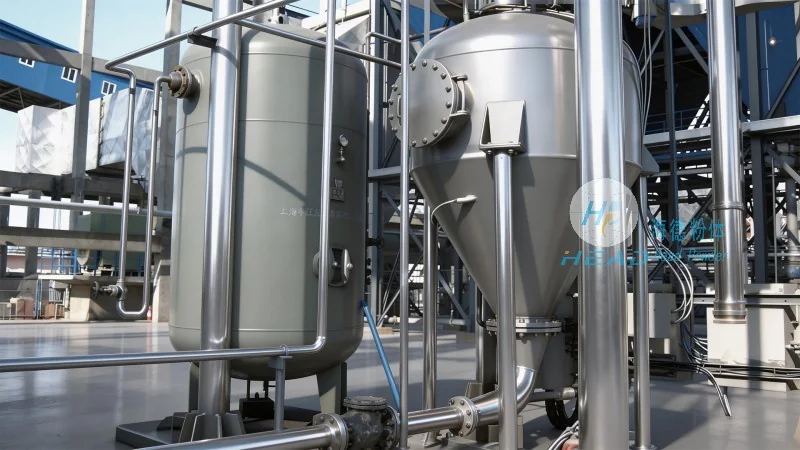
Conclusion: Making the Right Conveying Choice
Ultimately, the decision between positive and negative pressure conveying for lithium-ion battery anode materials hinges on a careful assessment of material properties, operational needs, and system design. By evaluating factors such as dust generation, material purity requirements, and energy efficiency, manufacturers can select the most appropriate conveying method. With the expertise of companies like Shandong HeadPowder Engineering Co., Ltd., the implementation of effective conveying systems becomes a feasible and reliable process, supporting the production of high-quality lithium-ion batteries.