

Choosing Between Positive Pressure and Negative Pressure for Carbide Dust Collection and Conveying:
When it comes to handling and transporting dust generated from carbide production processes, selecting the appropriate conveying method is crucial for operational efficiency, safety, and environmental compliance. Two primary approaches are widely used: positive pressure and negative pressure systems. Understanding the differences between these two methods is essential for making an informed decision that aligns with specific operational requirements. This article explores the key aspects of positive pressure versus negative pressure for carbide dust collection and conveying, providing insights into how to distinguish between the two based on practical considerations.
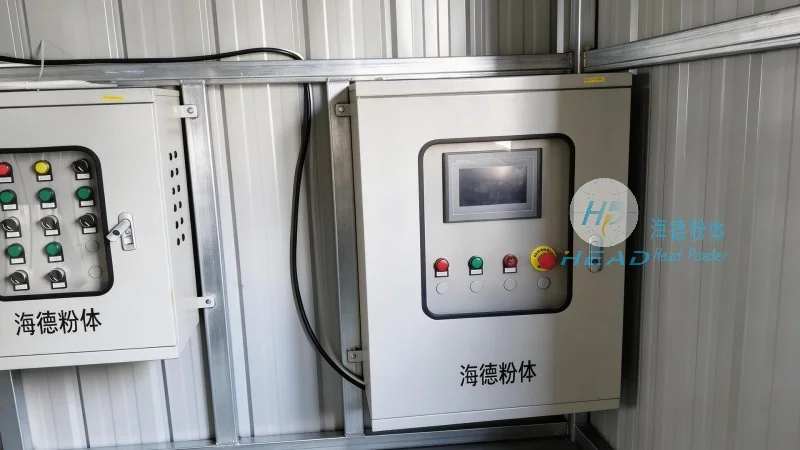
Understanding Positive Pressure Conveying Systems
Positive pressure conveying systems operate by blowing air or gas through the material to be transported. This method uses a positive pressure source, such as a blower or fan, to force the material through the conveying line. The primary advantage of positive pressure systems is their ability to handle a wide range of materials, including abrasive and sticky powders, with minimal risk of clogging. They are also effective in conveying materials over long distances and through complex piping networks. For carbide dust, which can be highly abrasive and prone to agglomeration, positive pressure systems often provide better performance in terms of material handling and system reliability.
Key Features of Positive Pressure Systems
Positive pressure systems typically feature high-pressure blowers that generate sufficient air velocity to move the material. The conveying line is sealed, and the air is expelled at the discharge point, which helps to prevent dust from escaping into the environment. These systems are often equipped with filters or cyclones at the discharge end to capture any residual dust particles. The design of positive pressure systems allows for easy integration with existing dust collection equipment, making them a suitable choice for retrofitting or upgrading existing carbide processing facilities. The robust construction of these systems ensures durability in harsh industrial environments, where carbide dust can be corrosive and abrasive.
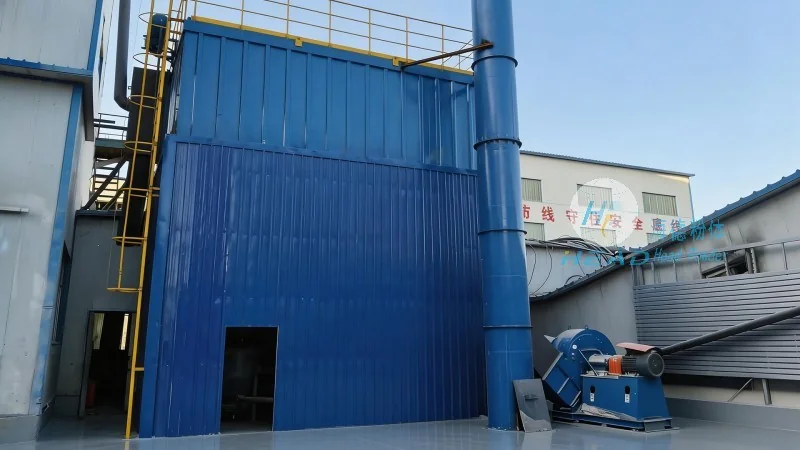
Understanding Negative Pressure Conveying Systems
Negative pressure, or vacuum, conveying systems operate by creating a vacuum in the conveying line, which draws the material from the source to the collection point. This method uses a vacuum pump to create the negative pressure, and the material is transported by the suction force. Negative pressure systems are generally more energy-efficient for short to medium distances and are often used for lighter materials or when the material is to be collected at a central location. For carbide dust, which is often fine and can be easily entrained by air, negative pressure systems may be less effective in handling highly abrasive or sticky powders due to the risk of clogging and reduced suction power.
Key Features of Negative Pressure Systems
Negative pressure systems rely on vacuum pumps that can generate sufficient suction to move the material. The conveying line is typically made of flexible hoses or rigid pipes, and the system is designed to minimize air leakage to maintain the vacuum level. These systems are often used in applications where the material is to be collected from multiple points and transported to a central storage or processing unit. The lower energy consumption of negative pressure systems makes them attractive for facilities with limited power availability or where energy efficiency is a priority. However, the risk of dust leakage and the need for regular maintenance of vacuum pumps are important considerations when evaluating negative pressure solutions for carbide dust handling.
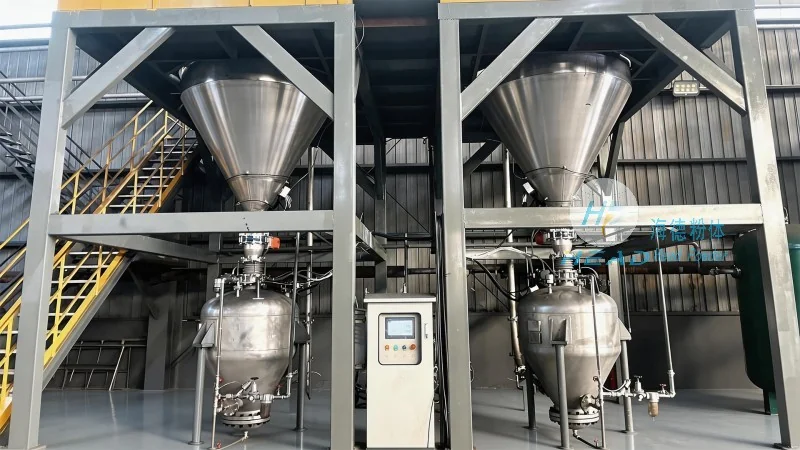
Distinguishing Between Positive and Negative Pressure Systems
Differentiating between positive and negative pressure conveying systems for carbide dust collection and conveying involves evaluating several critical factors. The first consideration is the material characteristics, including particle size, density, and moisture content. Carbide dust is often fine and abrasive, which may favor positive pressure systems due to their ability to handle such materials without clogging. The distance and layout of the conveying system also play a significant role. Positive pressure systems are generally more suitable for long-distance or complex layouts, while negative pressure systems are better for shorter distances and simpler configurations. The environmental and safety requirements of the facility are another key factor. Positive pressure systems may require additional filtration at the discharge point to prevent dust emissions, whereas negative pressure systems rely on the vacuum to contain dust within the system. The cost and maintenance considerations are also important. Positive pressure systems may have higher initial costs due to the need for high-pressure blowers and robust piping, but they often have lower long-term maintenance costs. Negative pressure systems may have lower initial costs but require more frequent maintenance of vacuum pumps and filters.
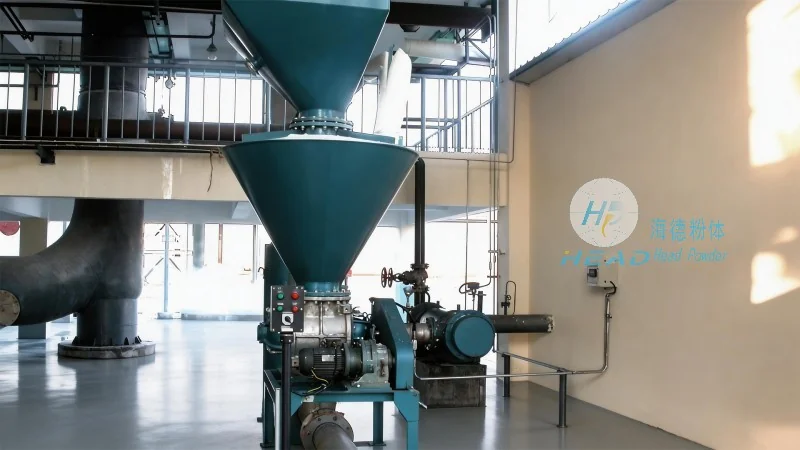
Practical Considerations for Selecting the Right System
When choosing between positive and negative pressure for carbide dust collection and conveying, it is essential to conduct a thorough analysis of the specific operational needs. The material's properties, such as its abrasiveness and tendency to agglomerate, should be assessed to determine which system can handle it effectively. The distance between the dust source and the collection point is a critical factor, as positive pressure systems are more efficient for longer distances. The layout of the facility and the number of collection points also influence the choice. If the dust is generated from multiple points and needs to be collected centrally, a negative pressure system may be more suitable. The energy consumption and operational costs should be evaluated, as both systems have different energy requirements. Positive pressure systems typically consume more energy due to the high-pressure blowers, while negative pressure systems are more energy-efficient. The safety and environmental regulations of the region should also be considered, as some systems may require additional measures to comply with emission standards. Consulting with experts from companies like Shandong HeadPowder Engineering Co., Ltd., based in China, can provide valuable insights into the specific requirements of the facility and help in selecting the most appropriate conveying system.
Conclusion
Selecting the right conveying method for carbide dust collection and conveying is a critical decision that impacts operational efficiency, safety, and environmental compliance. Positive pressure systems offer robust performance for handling abrasive and sticky powders over long distances, while negative pressure systems provide energy-efficient solutions for shorter distances and lighter materials. By evaluating material characteristics, system layout, energy consumption, and safety requirements, facilities can make an informed choice that optimizes their carbide processing operations. Companies like Shandong HeadPowder Engineering Co., Ltd., with their expertise in dust collection and conveying systems, can assist in the selection and implementation of the most suitable system for specific applications, ensuring optimal performance and reliability.