

Choosing Between Positive Pressure and Negative Pressure for Polyester Fiber Conveying: How to Disti
When it comes to conveying polyester fibers, selecting the right system is crucial for efficiency, cost-effectiveness, and operational safety. Two primary methods dominate the industry: positive pressure and negative pressure conveying. Understanding the differences between these systems is essential for making an informed decision that aligns with your production needs. This article explores the key aspects of positive and negative pressure systems, helping you distinguish between them and choose the optimal solution for your polyester fiber handling requirements.
Positive Pressure Conveying Systems
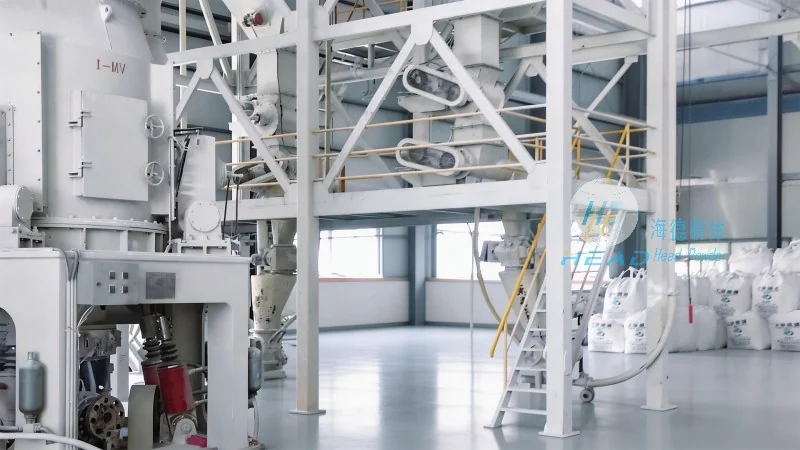
Positive pressure conveying operates by blowing air or gas through the conveying line to move material. This method uses a positive pressure source, such as a blower or fan, to force the material forward. The system typically consists of a hopper, a blower, a filter, and a discharge point. The air is introduced at the inlet, creating a pressure that propels the polyester fibers through the pipeline. This approach is particularly effective for materials that are lightweight, dusty, or prone to static electricity. Positive pressure systems are often preferred for applications where the material needs to be transported over long distances or through complex layouts.
Key advantages of positive pressure conveying include high material throughput, consistent flow rates, and the ability to handle abrasive or sticky materials. The positive pressure also helps in controlling dust emissions by containing the material within the system. However, it may require more energy to operate compared to negative pressure systems, and the equipment can be more complex and expensive to install and maintain. Additionally, positive pressure systems may generate more noise and require proper ventilation to manage air pressure.
Negative Pressure Conveying Systems
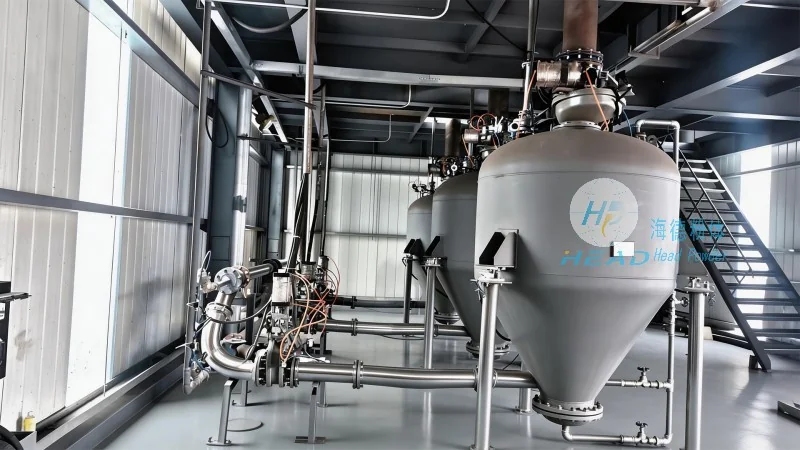
Negative pressure conveying, also known as vacuum conveying, works by creating a vacuum at the inlet to draw material into the system. The vacuum is generated by a vacuum pump, which pulls air and material from the hopper or collection point into the pipeline. The material is then transported to the discharge point, where the pressure is released. This method is ideal for handling fine powders or fibers that are sensitive to pressure changes. Negative pressure systems are often used in applications where the material needs to be collected from multiple sources or where the material is light and easily entrained by the air flow.
One of the main benefits of negative pressure conveying is its lower energy consumption compared to positive pressure systems. The vacuum pump operates at a lower pressure, reducing energy costs. Additionally, negative pressure systems are generally quieter and produce less noise, making them suitable for environments where noise control is a concern. However, they may have lower material throughput and are more susceptible to clogging if the material is too fine or has high moisture content. The system also requires careful maintenance to prevent dust accumulation and ensure consistent performance.
Distinguishing Between Positive and Negative Pressure Systems
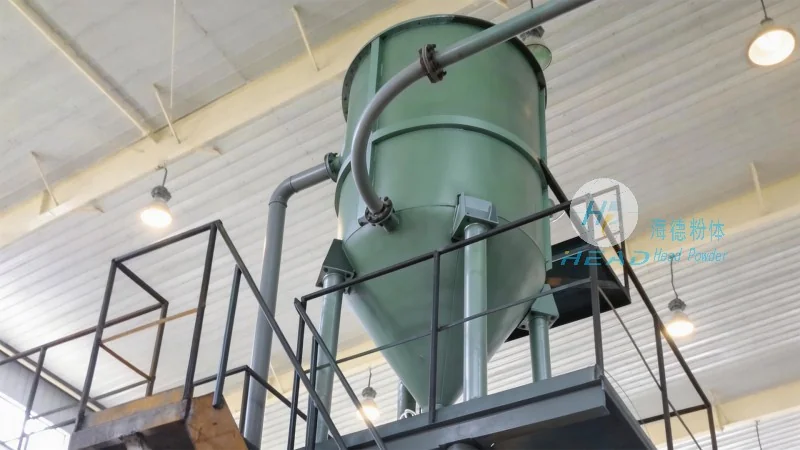
Choosing between positive and negative pressure conveying depends on several factors, including the material properties, conveying distance, system layout, and operational requirements. Here are some key points to consider when making your decision:
- Material Characteristics: Positive pressure is better suited for abrasive or sticky materials that require high pressure to move. Negative pressure is ideal for fine, light fibers that are easily drawn by a vacuum.
- Conveying Distance: Positive pressure systems are generally more effective for long-distance conveying due to their ability to maintain pressure over longer distances. Negative pressure systems may be limited by the vacuum's ability to draw material over extended distances.
- System Complexity and Cost: Positive pressure systems often involve more complex equipment and higher initial costs due to the need for blowers and robust piping. Negative pressure systems may have lower upfront costs but require regular maintenance to prevent clogging and ensure efficient operation.
- Environmental and Safety Considerations: Positive pressure systems can generate more dust emissions and require proper ventilation to manage air pressure. Negative pressure systems are generally more enclosed, reducing dust exposure but may require additional filtration to prevent air leaks.
Applications and Use Cases
Both positive and negative pressure systems are widely used in the polyester fiber industry, with specific applications tailored to their strengths. For example, positive pressure conveying is commonly used in textile manufacturing for transporting raw polyester fibers from storage to processing units. It is also suitable for applications where the material needs to be conveyed over long distances, such as in large-scale production facilities. Negative pressure conveying is often employed in applications where the material is collected from multiple points or where the material is light and fine, such as in recycling operations or material recovery processes.
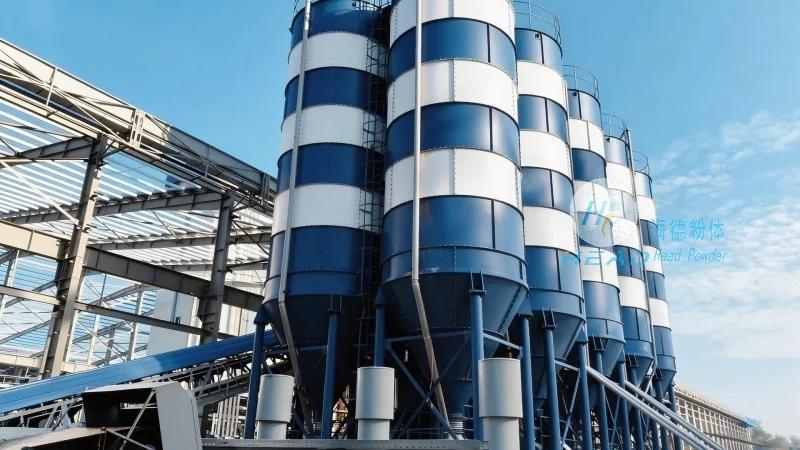
In both cases, the choice of system impacts not only the efficiency of material handling but also the overall operational costs and safety of the process. Proper system design and maintenance are critical to ensuring optimal performance and minimizing downtime.
Conclusion
Choosing between positive and negative pressure conveying for polyester fiber handling requires a careful evaluation of material properties, operational needs, and cost considerations. Positive pressure systems offer high throughput and consistent performance but may require more energy and maintenance. Negative pressure systems provide lower energy consumption and quieter operation but may have lower throughput and require more maintenance to prevent clogging. By understanding the differences and considering the specific requirements of your application, you can select the most suitable conveying system to enhance productivity and efficiency in your polyester fiber processing operations.