

Choosing Between Positive Pressure and Negative Pressure for Glass Fiber Conveying: How to Distingui
When it comes to transporting glass fibers, selecting the right conveying method is crucial for efficiency, safety, and operational performance. Two primary approaches are widely used in the industry: positive pressure conveying and negative pressure conveying. Understanding the differences between these two systems is essential for making an informed decision that aligns with your specific application requirements. This article will explore the key distinctions, advantages, and considerations of both positive and negative pressure glass fiber conveying systems, helping you determine which option is best suited for your needs.
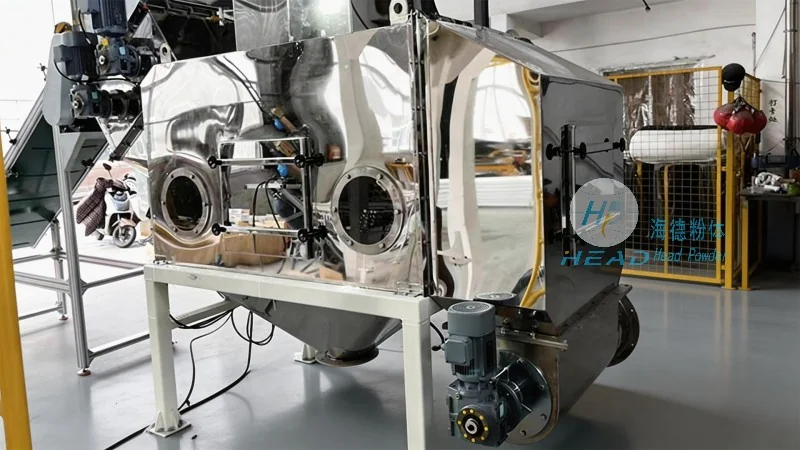
Understanding the Basics: Positive Pressure vs. Negative Pressure Conveying
At its core, the difference between positive and negative pressure conveying lies in how air is managed within the system. Positive pressure conveying operates by blowing air into the conveying line, creating a pressure higher than the ambient air. This method propels the material forward through the ductwork. Conversely, negative pressure conveying works by creating a vacuum or suction within the line, drawing the material into the system as air is pulled through. Each approach has its own set of characteristics that influence its suitability for different applications.
Key Characteristics of Positive Pressure Conveying
Positive pressure conveying systems are often preferred for applications involving abrasive or high-density materials, including glass fibers. The primary advantage of this method is its ability to handle materials with higher moisture content or those that are prone to caking. By maintaining a positive pressure, the system prevents dust from escaping into the environment, enhancing safety and compliance with regulatory standards. Additionally, positive pressure systems are generally more straightforward to install and maintain, as they do not require complex vacuum equipment. However, they may be less energy-efficient compared to negative pressure systems, as they require continuous air compression.
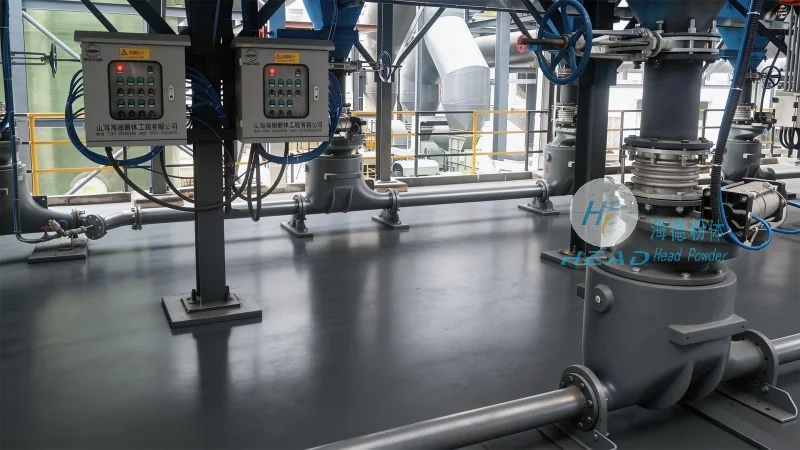
Key Characteristics of Negative Pressure Conveying
Negative pressure conveying, also known as vacuum conveying, is often chosen for applications where material is being transferred from a low point to a higher elevation or when the material is lightweight and non-abrasive. This method is particularly effective for handling fine powders and fibers that are easily suspended in air. The main advantage of negative pressure systems is their energy efficiency, as they use less power to create suction compared to the continuous air pressure required for positive pressure systems. Furthermore, negative pressure conveying can be more compact, as it does not require large blowers or compressors. However, it may be less suitable for materials that are prone to caking or that have high moisture content, as the vacuum can cause material to stick to the ductwork or equipment.
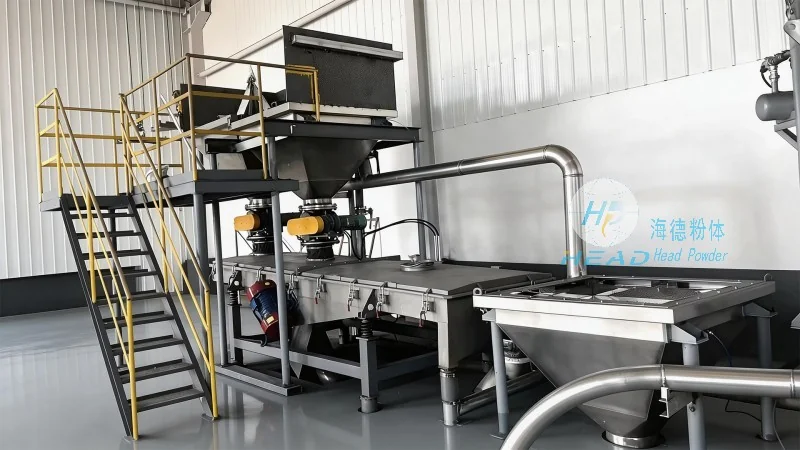
Factors to Consider When Choosing Between Conveying Systems
When deciding between positive and negative pressure conveying for glass fiber applications, several factors should be evaluated. First, consider the material properties: abrasive or high-density glass fibers may benefit from positive pressure, while lightweight fibers might be better suited for negative pressure. Second, assess the operational environment: if dust control and safety are top priorities, positive pressure systems may be preferred. Third, evaluate energy consumption and cost: negative pressure systems are generally more energy-efficient but may require more maintenance due to the vacuum components. Fourth, consider the system layout and space constraints: positive pressure systems may be simpler to integrate into existing facilities, while negative pressure systems can be more compact.
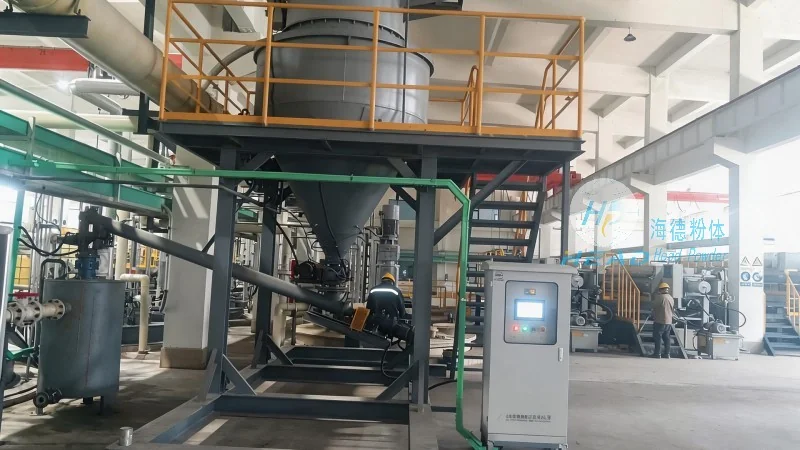
Application Examples and Practical Considerations
Let's look at some practical examples to illustrate the application of these systems. For instance, in a glass fiber manufacturing plant, positive pressure conveying might be used to transport raw glass fibers from a storage silo to a processing line, especially if the fibers are abrasive and prone to caking. The positive pressure ensures that the fibers move smoothly through the ductwork without sticking. On the other hand, negative pressure conveying could be used to transfer fine glass fibers from a collection hopper to a packaging area, as the lightweight material is easily drawn into the system by the vacuum. Another consideration is the impact of ambient conditions: in humid environments, positive pressure systems may help prevent moisture from entering the ductwork and affecting the material quality. Conversely, negative pressure systems might be more susceptible to moisture absorption, which could lead to material degradation.
Conclusion: Making the Right Choice for Your Glass Fiber Conveying Needs
Choosing between positive and negative pressure conveying for glass fiber applications requires a careful evaluation of material characteristics, operational requirements, and environmental factors. Both systems have their strengths and are suitable for specific scenarios. Positive pressure conveying offers better control over dust and material flow, making it ideal for abrasive or high-density materials. Negative pressure conveying, on the other hand, provides energy efficiency and compactness, making it suitable for lightweight materials. By understanding the key differences and considering the specific needs of your application, you can select the most effective conveying system to ensure smooth, efficient, and safe operation. Whether you opt for positive or negative pressure, the goal is to achieve optimal performance while maintaining safety and compliance with industry standards.