

Choosing Between Positive Pressure and Negative Pressure for Calcium Nitrite Transport: How to Disti
When handling calcium nitrite, a critical decision involves selecting the appropriate transport method: positive pressure or negative pressure. Both approaches have distinct advantages and are suitable for different operational scenarios. Understanding the nuances of each system is essential for ensuring safe, efficient, and cost-effective material handling. This guide explores the key factors to consider when choosing between positive pressure and negative pressure for calcium nitrite transport, with a focus on practical applications and operational considerations.
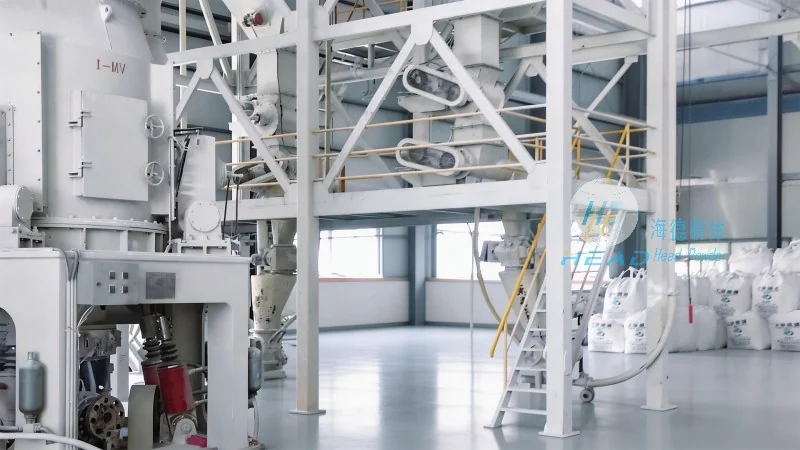
Positive Pressure Transport: Advantages and Applications
Positive pressure transport systems use compressed air or gas to force the material through a pipeline. This method is particularly effective for calcium nitrite because it is a dry, free-flowing powder that can be easily conveyed under pressure. The primary advantages of positive pressure systems include:
- Enhanced Material Flow: Compressed air creates a consistent flow, preventing clogging and ensuring uniform material movement through the pipeline.
- Reduced Downtime: By maintaining a continuous pressure, positive pressure systems minimize the risk of material buildup and blockages, leading to lower maintenance requirements and increased operational uptime.
- Compatibility with Diverse Pipelines: Positive pressure systems can be integrated with existing infrastructure, making them a flexible option for facilities with pre-existing piping networks.
Positive pressure transport is often preferred in industrial settings where the material needs to be delivered to multiple destinations or over longer distances. For example, in chemical plants or food processing facilities, positive pressure systems can efficiently distribute calcium nitrite to various processing units or storage areas. The ability to control flow rates and pressure levels allows operators to adapt the system to changing production demands, ensuring optimal performance.
Negative Pressure Transport: Advantages and Applications
Negative pressure transport, also known as suction or vacuum systems, uses a vacuum to draw the material into the pipeline. This method relies on creating a pressure differential to move the material from the source to the destination. Negative pressure systems are particularly suitable for calcium nitrite when:
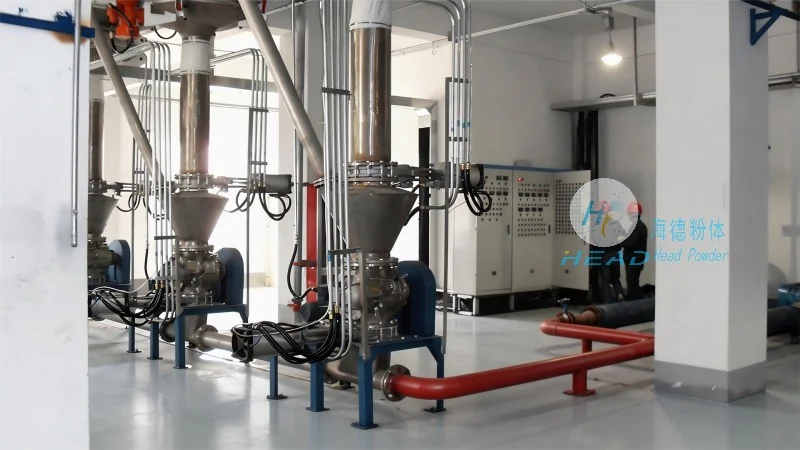
- Shorter Distances: For applications where the material needs to be transported over short distances, negative pressure systems can be more economical and less complex than positive pressure alternatives.
- Low Material Velocity Requirements: When the material flow rate is low and the pipeline is relatively short, negative pressure can effectively convey calcium nitrite without excessive energy consumption.
- Reduced Risk of Material Contamination: Negative pressure systems minimize the risk of cross-contamination, as the material is drawn into the pipeline rather than being forced through, which is beneficial in food or pharmaceutical industries where purity is paramount.
However, negative pressure systems have limitations, such as the potential for increased energy consumption and the need for robust vacuum equipment to maintain consistent suction. They are also more susceptible to clogging if the material contains moisture or other impurities that can adhere to the pipeline walls. Despite these challenges, negative pressure transport remains a viable option for specific applications where its advantages outweigh the drawbacks.
Distinguishing Between Positive and Negative Pressure Systems
Choosing the right transport method for calcium nitrite depends on several key factors, including the distance between the source and destination, the required flow rate, the material's physical properties, and the operational environment. Here are the primary criteria to evaluate when deciding between positive and negative pressure systems:
- Transport Distance: Longer distances typically favor positive pressure systems due to their ability to maintain consistent pressure over extended pipelines. Shorter distances may allow for negative pressure systems, which are simpler and less energy-intensive.
- Material Flow Rate and Consistency: High flow rates and the need for uniform material delivery are better addressed by positive pressure systems, which can handle larger volumes with less variation. Negative pressure systems are more suitable for lower flow rates where precision is less critical.
- Pipeline Complexity and Infrastructure: Existing infrastructure plays a significant role. If the facility already has compressed air or gas lines, positive pressure systems can be integrated more easily. Negative pressure systems may require additional vacuum equipment, which could increase initial costs.
- Operational Safety and Environmental Considerations: Calcium nitrite is a hazardous material, and both transport methods must adhere to safety regulations. Positive pressure systems may pose a higher risk of pressure-related accidents, while negative pressure systems can help minimize dust emissions and reduce the risk of material spillage.
Ultimately, the decision between positive and negative pressure transport for calcium nitrite should be based on a thorough analysis of the specific operational needs and constraints. By evaluating the distance, flow rate, infrastructure, and safety requirements, facilities can select the most appropriate system to ensure efficient and safe material handling.
Conclusion and Practical Recommendations
Both positive pressure and negative pressure transport systems offer viable solutions for calcium nitrite handling, each with its own set of advantages and limitations. Positive pressure systems excel in long-distance, high-flow applications and are compatible with existing infrastructure, while negative pressure systems are better suited for short distances, low-flow scenarios, and environments where contamination control is critical.
When making the choice, it is essential to consider the specific characteristics of the calcium nitrite being handled, such as its moisture content, particle size, and flowability. Additionally, the operational environment, including safety regulations and energy costs, should be factored into the decision-making process. Consulting with industry experts or equipment manufacturers can provide valuable insights into the most suitable transport method for a particular application.
For facilities in China, particularly in Shandong, companies like Shandong HeadPowder Engineering Co., Ltd. offer specialized expertise and equipment for calcium nitrite transport. With a deep understanding of both positive and negative pressure systems, these providers can assist in selecting the optimal solution to meet the unique needs of each operation, ensuring safe, efficient, and cost-effective material handling.