

Pearl Salt Powder Conveying: Choosing Positive Pressure vs. Negative Pressure - How to Distinguish?
When it comes to conveying pearl salt powder and similar fine powders, selecting the right type of conveying system is crucial for efficiency, safety, and operational longevity. Two primary methods are widely used: positive pressure conveying and negative pressure conveying. Understanding the differences between these systems is essential for making an informed decision that aligns with specific process requirements. This article explores the key characteristics of both positive and negative pressure systems, outlines how to distinguish between them, and provides insights into the factors that influence the choice of one over the other.
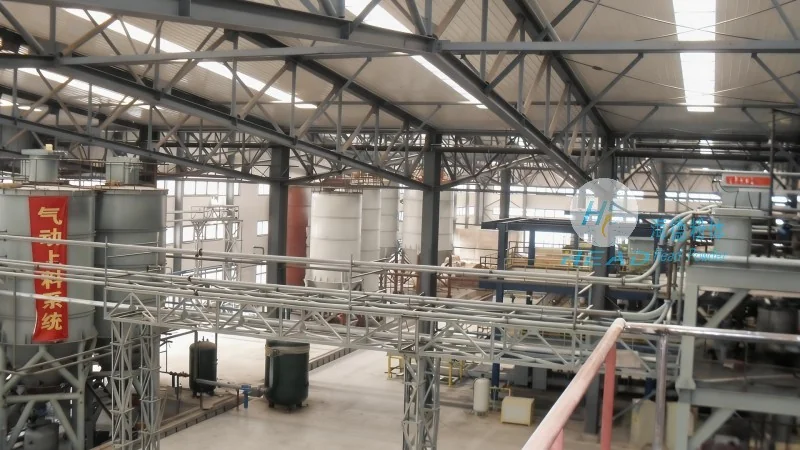
Understanding Positive Pressure Conveying for Pearl Salt Powder
Positive pressure conveying systems operate by blowing air or gas into the material to move it through the pipeline. In this method, the conveying air is under pressure, typically above atmospheric pressure, which forces the powder forward. This approach is often preferred for applications where the material needs to be transported over long distances or through complex layouts, as the pressurized air provides consistent and reliable flow. For pearl salt powder, which can be abrasive and prone to caking, positive pressure systems can offer advantages such as reduced material degradation and better control over particle size distribution. The system typically includes a blower, a hopper or feeder, and a pipeline network, with the air being introduced at the inlet to push the powder along.
Exploring Negative Pressure Conveying for Pearl Salt Powder
Negative pressure, or suction, conveying systems work by creating a vacuum at the inlet, drawing the powder into the pipeline. The material is then transported by the suction force, which pulls the powder from the source to the destination. This method is generally more suitable for shorter distances and less complex layouts, as the suction pressure is limited by the blower's capacity and the system's resistance. Negative pressure conveying is often chosen for applications where the material is to be collected from a dusty or hazardous environment, as the system can be designed to prevent dust emissions. However, it may not be as effective for handling highly abrasive or cohesive powders like pearl salt, as the suction force can be insufficient to maintain consistent flow.

Distinguishing Between Positive and Negative Pressure Systems
The primary distinction between positive and negative pressure conveying lies in the direction of air flow and the pressure differential. In positive pressure systems, air is pushed into the system, creating a pressure higher than the surrounding environment. Conversely, negative pressure systems create a vacuum, pulling air and material into the system. Another key difference is the impact on material handling. Positive pressure systems are better suited for materials that are prone to caking or have high moisture content, as the pressurized air helps to keep the powder dry and free-flowing. Negative pressure systems, on the other hand, are more effective for materials that are light and easily suspended, as the suction force can efficiently lift and transport them. The choice between the two also depends on the system's layout and the distance the material needs to travel. For long-distance or complex pipelines, positive pressure is often preferred due to its ability to maintain consistent flow and pressure. For shorter, simpler systems, negative pressure may be sufficient and more cost-effective.
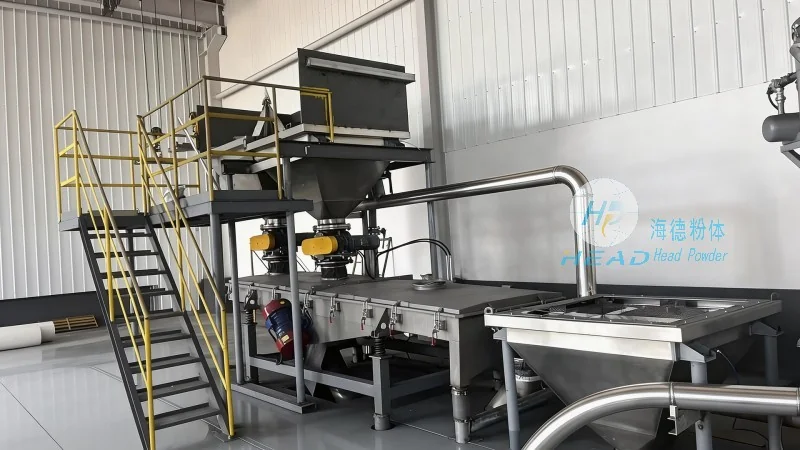
Factors Influencing the Choice of Conveying System
Several factors must be considered when deciding between positive and negative pressure conveying for pearl salt powder. The first is the material's physical properties, including its particle size, density, and cohesive tendency. Highly abrasive or cohesive powders may require the higher pressure and flow control of a positive pressure system to prevent blockages and maintain efficiency. The second factor is the system's layout and distance requirements. Long-distance or complex pipelines necessitate the robust pressure and flow characteristics of positive pressure systems, while shorter, simpler setups may benefit from the simplicity and lower cost of negative pressure systems. The third consideration is environmental and safety requirements. If the material is to be handled in a dusty or hazardous environment, negative pressure systems can be advantageous as they can be designed to contain dust and prevent emissions. However, positive pressure systems may require additional filtration and safety measures to protect personnel and equipment. Finally, the operational costs and maintenance requirements should be evaluated. Positive pressure systems typically require more powerful blowers and may have higher energy consumption, while negative pressure systems may have lower initial costs but could incur higher maintenance due to the wear and tear on suction components.
Conclusion
Choosing between positive pressure and negative pressure conveying for pearl salt powder involves a careful assessment of the material's characteristics, system requirements, and operational constraints. Positive pressure systems offer greater control, efficiency, and suitability for long-distance or complex applications, while negative pressure systems are more appropriate for shorter distances and simpler setups. By understanding the differences in system operation, material handling, and environmental impact, manufacturers can select the most effective conveying method to ensure reliable and safe operation. As a leading provider of conveying solutions, Shandong HeadPowder Engineering Co., Ltd. specializes in designing and manufacturing customized systems tailored to the specific needs of powder handling applications, ensuring optimal performance and longevity for pearl salt powder and other fine materials.