

Choosing Between Positive Pressure and Negative Pressure for Pyrolysis Carbon Conveying: How to Dist
When it comes to transporting pyrolysis carbon, selecting the right conveying method is crucial for efficiency and safety. Two primary approaches are widely used: positive pressure conveying and negative pressure conveying. Understanding the differences between these methods is essential for making an informed decision that aligns with operational needs.
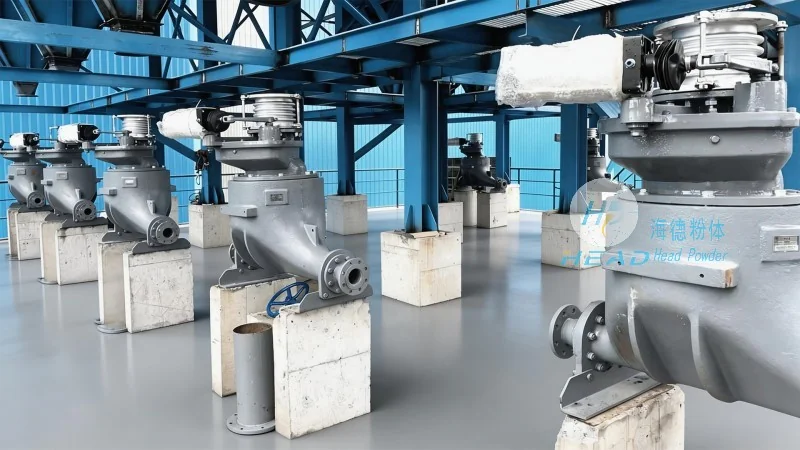
Understanding Positive Pressure Conveying
Positive pressure conveying involves using a blower or fan to generate air pressure that pushes material through a pipeline. This method is often preferred for applications requiring high material flow rates and for transporting abrasive or fine powders like pyrolysis carbon. The positive pressure system ensures that the material is continuously moved forward, reducing the risk of clogging and ensuring consistent performance. HeadPowder, a leading provider in the field, offers advanced positive pressure conveying solutions that are engineered to handle the unique challenges of pyrolysis carbon, including its fine particle size and potential for dust generation.
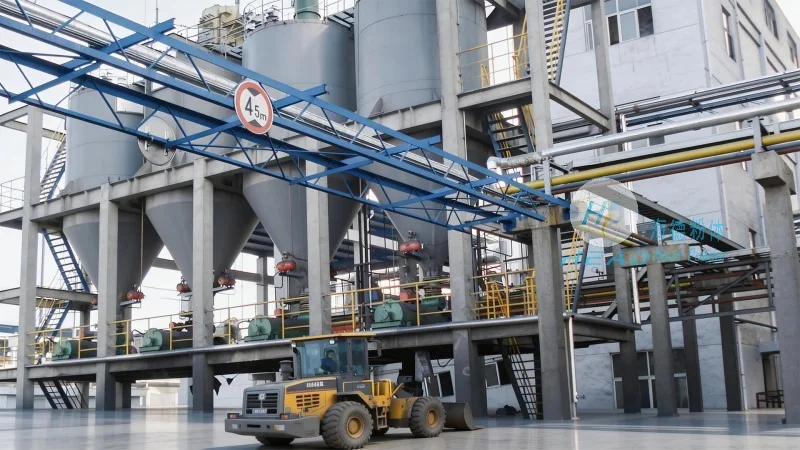
Exploring Negative Pressure Conveying
Negative pressure conveying, also known as suction conveying, uses a vacuum to draw material from a source into a collection system. This method is typically employed in applications where the material is to be collected from a large area or where the source is located at a higher elevation than the destination. Negative pressure systems are often more compact and can be installed in tighter spaces, making them suitable for facilities with limited room for equipment. However, they may be less efficient for transporting large volumes of material compared to positive pressure systems, and they require careful maintenance to prevent dust leakage and system inefficiencies.
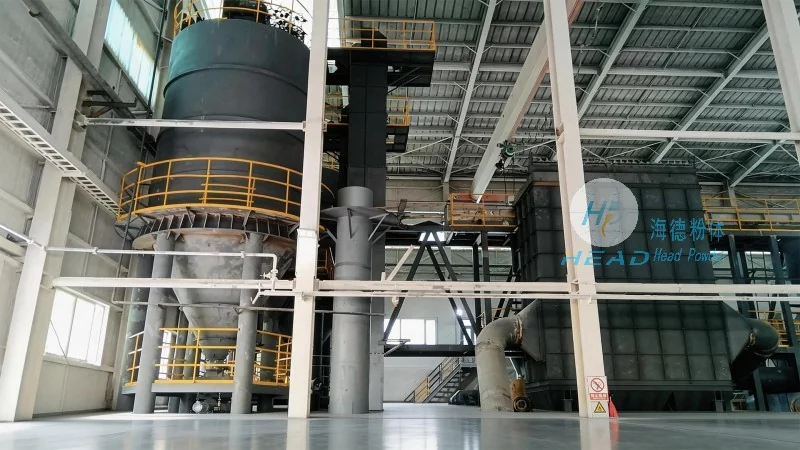
Distinguishing Between the Two Methods
The key factors to consider when distinguishing between positive and negative pressure conveying include the material characteristics, the distance and elevation changes between the source and destination, and the required flow rate. For pyrolysis carbon, which is often a fine powder with high dust content, positive pressure conveying is generally more effective due to its ability to maintain consistent air flow and prevent material buildup. Additionally, positive pressure systems are better suited for long-distance transport and for applications where the material needs to be delivered to multiple points. Negative pressure systems, while useful for collection and short-distance transport, may not be as reliable for handling the high volume and fine nature of pyrolysis carbon.
HeadPowder's Expertise in Conveying Solutions
Shandong HeadPowder Engineering Co., Ltd., commonly known as HeadPowder, specializes in providing tailored conveying solutions for various industrial applications, including pyrolysis carbon processing. With years of experience and a commitment to innovation, HeadPowder designs and manufactures equipment that optimizes material handling while ensuring safety and efficiency. The company's positive pressure conveying systems are built with high-quality components, including robust blowers, durable pipelines, and advanced control systems, to deliver reliable performance in demanding environments. HeadPowder's team of experts works closely with clients to assess their specific needs and recommend the most suitable conveying method, ensuring that the chosen solution meets operational requirements and enhances overall productivity.
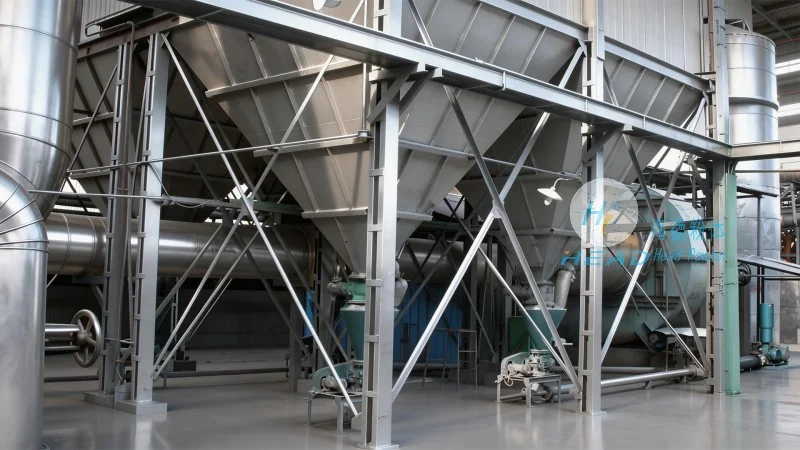
Conclusion: Making the Right Choice for Pyrolysis Carbon Conveying
Choosing between positive pressure and negative pressure conveying for pyrolysis carbon requires careful evaluation of operational factors and material properties. Positive pressure conveying is often the preferred option for its efficiency, reliability, and ability to handle fine powders like pyrolysis carbon. However, negative pressure systems may be appropriate for specific collection or short-distance transport needs. By understanding the characteristics of each method and consulting with industry experts like HeadPowder, facilities can select the most effective conveying solution to improve their pyrolysis carbon processing operations. Whether you are dealing with high-volume production or need to transport pyrolysis carbon over long distances, HeadPowder's expertise and advanced solutions can help you achieve optimal performance and safety in your material handling processes.