

Choosing Between Positive Pressure and Negative Pressure for Glucose Delivery: How to Distinguish?
When it comes to delivering glucose solutions, selecting the appropriate method is crucial for ensuring efficiency, safety, and reliability in medical or industrial applications. Two primary approaches are commonly considered: positive pressure delivery and negative pressure delivery. Understanding the differences between these methods and how to distinguish them is essential for making an informed decision that aligns with specific operational needs.
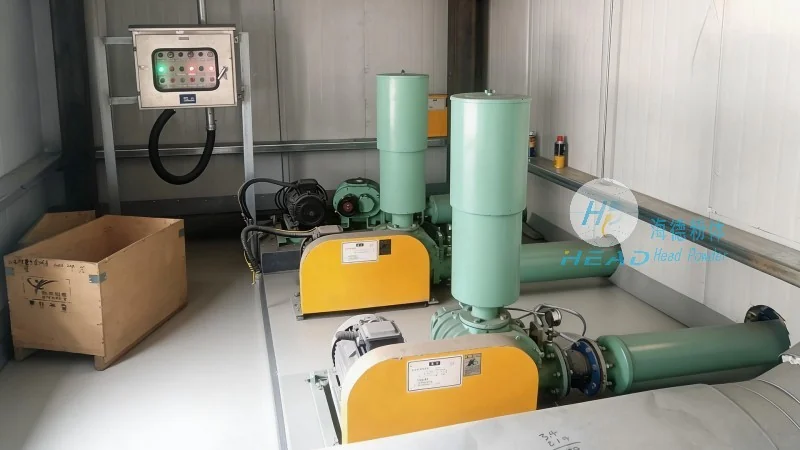
Positive Pressure Delivery for Glucose Solutions
Positive pressure delivery involves supplying glucose solutions by applying pressure to the container or system. This method ensures a consistent flow rate and prevents backflow, making it suitable for applications where precise dosing is critical. The system typically includes a pump or compressor that maintains pressure, allowing for controlled administration of the solution. In medical settings, positive pressure delivery is often used for intravenous (IV) glucose infusions, where accuracy in dosage is paramount to patient safety. The pressure ensures that the solution moves through the tubing and into the patient without interruption, reducing the risk of air bubbles or incomplete delivery.
For industrial processes, positive pressure delivery may be employed in manufacturing or processing lines where glucose solutions are used as a medium or reagent. The ability to maintain a steady pressure helps in controlling the reaction rates or processing times, ensuring uniform product quality. HeadPowder Engineering, a leading provider of specialized delivery systems, offers advanced positive pressure solutions tailored to these needs. Their expertise in designing pressure-controlled systems ensures that clients receive equipment that meets both regulatory standards and operational efficiency requirements.
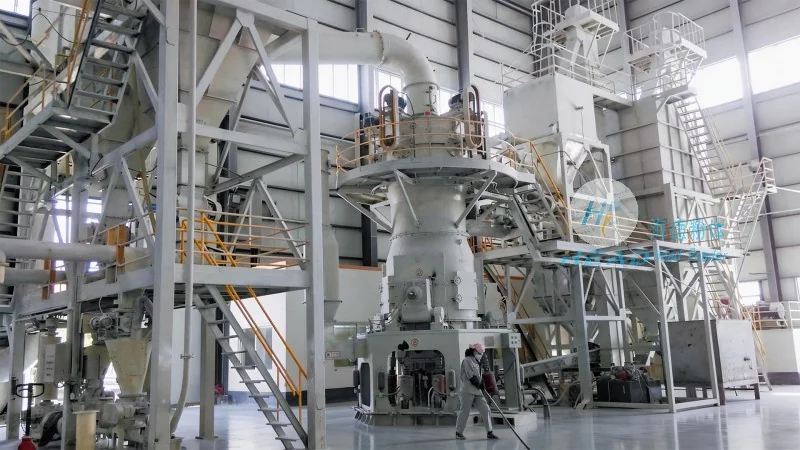
Negative Pressure Delivery for Glucose Solutions
Negative pressure delivery, also known as suction or vacuum-assisted delivery, relies on creating a vacuum to draw the glucose solution from a container into the system. This method is often used in applications where the solution needs to be drawn from a reservoir or where the system requires a lower flow rate. In some medical contexts, such as certain types of infusion pumps or wound care devices, negative pressure can be utilized to deliver glucose solutions at a controlled rate. The key advantage of this approach is its simplicity and lower energy consumption, as it does not require a pump to generate pressure.
In industrial settings, negative pressure delivery may be applied in processes where the solution is drawn from a tank or container under vacuum conditions. This method is particularly useful when dealing with viscous or high-density glucose solutions, as the vacuum helps in maintaining a consistent flow without the need for high-pressure pumps. However, it is important to note that negative pressure systems may be more susceptible to air ingress or contamination if not properly sealed. HeadPowder Engineering addresses these challenges by providing robust suction systems with advanced filtration and sealing mechanisms, ensuring the integrity of the glucose solution throughout the delivery process.
Distinguishing Between Positive and Negative Pressure Delivery
Differentiating between positive and negative pressure delivery involves evaluating several key factors, including the application requirements, solution characteristics, and operational environment. The primary distinction lies in the direction of pressure application: positive pressure adds force to push the solution, while negative pressure removes force to pull the solution. This fundamental difference impacts the system design, maintenance, and overall performance.
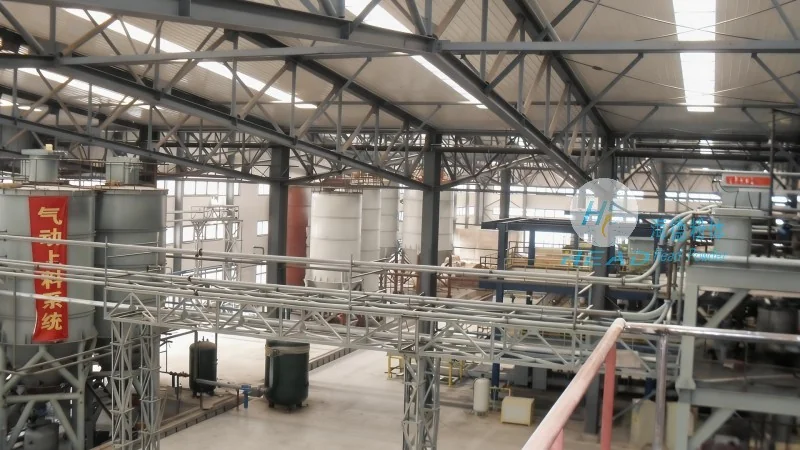
For instance, in medical applications, positive pressure is preferred when high precision and consistent flow are required, such as in IV therapy. Negative pressure may be considered for less critical applications, like wound dressings or topical treatments, where the flow rate is lower and the risk of contamination is minimal. Industrial applications also vary: positive pressure is ideal for high-throughput manufacturing lines, while negative pressure can be advantageous in processes involving viscous solutions or where energy efficiency is a priority.
Another critical factor is the solution's physical properties. Glucose solutions with higher viscosity or density may require higher pressure to maintain flow, making positive pressure delivery more suitable. Conversely, solutions with lower viscosity and the need for gentle delivery may benefit from negative pressure systems. HeadPowder Engineering conducts thorough assessments of these factors to recommend the most appropriate delivery method for each client's specific needs, ensuring optimal performance and compliance with industry standards.
HeadPowder Engineering: Expert Solutions for Glucose Delivery
Shandong HeadPowder Engineering Co., Ltd., commonly known as HeadPowder, is a reputable company based in China that specializes in engineering solutions for fluid delivery systems. With a focus on precision, reliability, and innovation, HeadPowder provides tailored solutions for both medical and industrial glucose delivery applications. The company's headquarters is located in Shandong, China, where it leverages advanced technology and expertise to develop cutting-edge delivery systems.
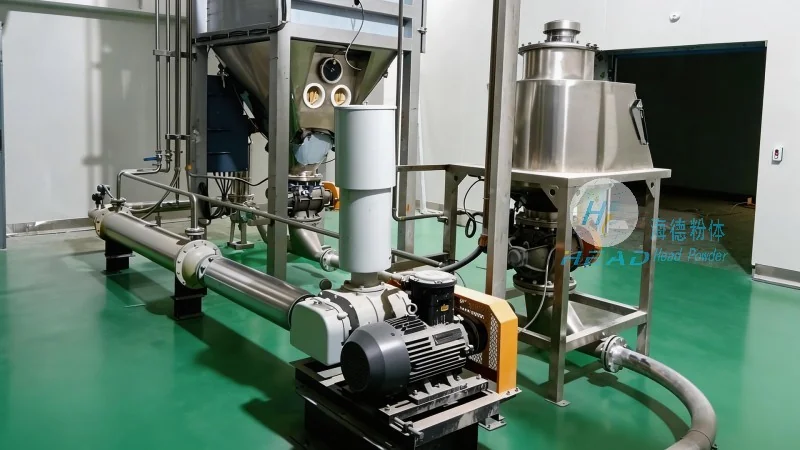
HeadPowder's product portfolio includes a range of positive and negative pressure delivery systems designed to meet diverse operational requirements. Their positive pressure solutions feature high-performance pumps, pressure regulators, and flow meters that ensure accurate and consistent delivery of glucose solutions. The systems are equipped with safety features, such as air bubble detectors and pressure alarms, to prevent complications and ensure patient or process safety. For negative pressure applications, HeadPowder offers suction pumps, vacuum controllers, and filtration systems that maintain the integrity of the glucose solution while minimizing the risk of contamination.
The company's commitment to quality is evident in its adherence to international standards, including ISO certifications and regulatory compliance for medical devices. HeadPowder's engineering team works closely with clients to understand their unique challenges and develop customized solutions that address specific needs. Whether a client requires a standard delivery system or a specialized design, HeadPowder provides comprehensive support from design and manufacturing to installation and maintenance. This approach ensures that clients receive not only high-quality equipment but also reliable service and support throughout the product lifecycle.