

Grit Transport: Positive Pressure vs. Negative Pressure - How to Distinguish?
When it comes to transporting abrasive materials like grit, selecting the right method is crucial for efficiency, safety, and equipment longevity. Two primary approaches dominate the industry: positive pressure and negative pressure systems. Understanding the differences between these two methods is essential for making an informed decision that aligns with your operational needs. This guide will explore the key aspects of both positive and negative pressure grit transport, helping you distinguish between them and choose the most suitable option for your application.
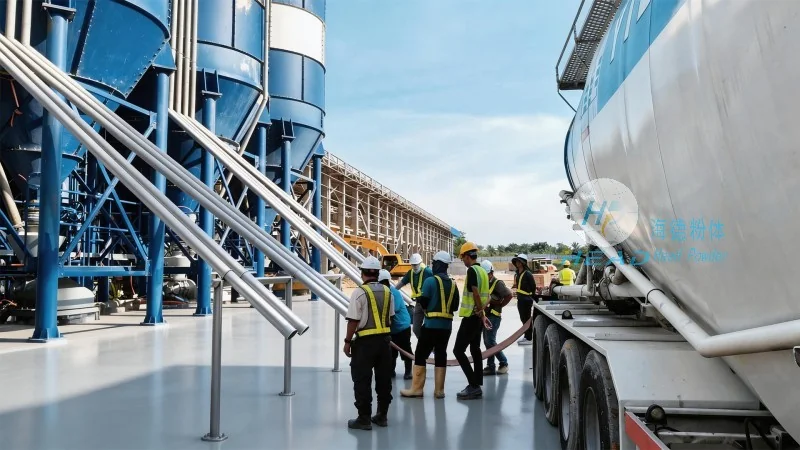
Understanding Positive Pressure Grit Transport
Positive pressure systems operate by forcing air or a carrier gas through the material to be transported. The grit is carried by the pressurized air, which moves it from the source to the destination. This method is often referred to as "blowing" or "pressure-fed" transport. The primary advantage of positive pressure is its ability to handle high volumes of material and overcome significant vertical or horizontal distances. It is particularly effective in applications where the material is dense and requires a strong force to move. The system typically uses a blower or compressor to generate the necessary pressure, ensuring consistent flow and preventing clogging. However, positive pressure systems may require more maintenance due to the higher pressure components and can be more expensive to install and operate compared to negative pressure systems.
Key Features of Positive Pressure Grit Transport
Positive pressure systems are characterized by several key features that make them suitable for specific scenarios. First, they are highly effective in transporting abrasive materials over long distances or through complex piping networks. The pressurized air ensures that the grit moves smoothly without settling or clogging the lines. Second, these systems can handle a wide range of grit sizes and types, from fine powders to larger particles. The uniform pressure distribution helps maintain the material's integrity during transport. Third, positive pressure systems often include features like air filtration and moisture control, which are critical for maintaining the quality of the grit. These features help prevent contamination and ensure that the material remains in optimal condition for subsequent processing steps. Additionally, positive pressure systems can be integrated with other equipment, such as cyclones or classifiers, to enhance material separation and recovery.
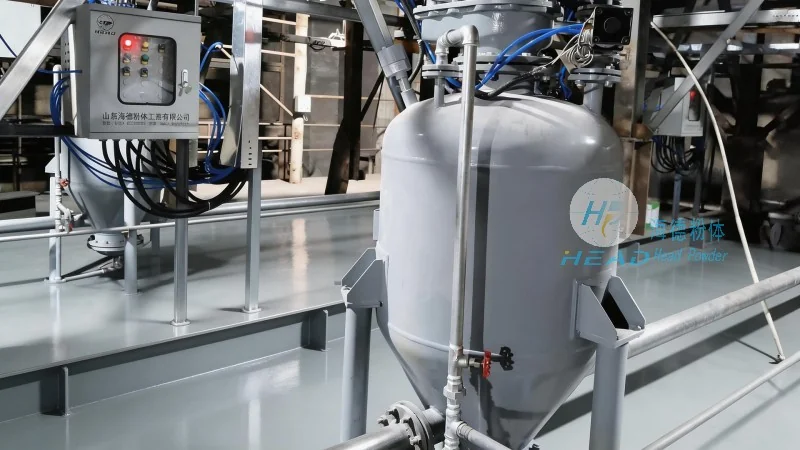
Understanding Negative Pressure Grit Transport
Negative pressure systems, also known as vacuum or suction systems, work by creating a low-pressure environment that draws the grit into the transport line. The vacuum pulls the material from the source and moves it to the destination. This method is often called "sucking" or "vacuum-fed" transport. The main advantage of negative pressure is its ability to handle fine or light materials without the need for high pressure components. It is particularly useful in applications where the material is lightweight and prone to dust or airborne particles. The system typically uses a vacuum pump to create the necessary suction, which is generally more energy-efficient than a high-pressure blower. However, negative pressure systems may have limitations in terms of distance and material density. They are less effective for transporting dense or large particles over long distances, as the suction may not be strong enough to overcome gravity or friction.
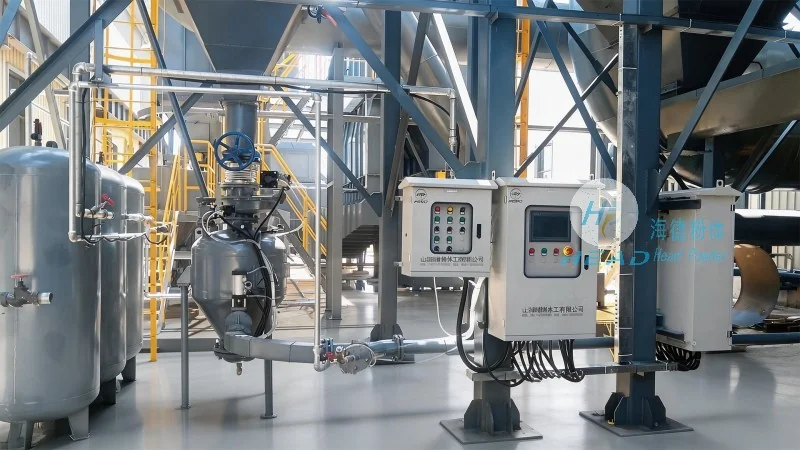
Key Features of Negative Pressure Grit Transport
Negative pressure systems have distinct features that make them suitable for certain applications. First, they are energy-efficient, as they require less power to operate compared to positive pressure systems. The vacuum pump consumes less energy, which can lead to lower operational costs over time. Second, these systems are well-suited for handling fine or dusty materials, as the suction helps prevent particles from escaping into the environment. This is particularly important in applications where dust control is a priority, such as in industrial or construction settings. Third, negative pressure systems can be more compact and easier to install, as they do not require high-pressure piping or robust blower systems. However, they may require additional filtration to prevent dust from entering the vacuum pump, which can increase maintenance requirements. Additionally, negative pressure systems may have limitations in terms of material handling capacity, as they are less effective for transporting large volumes of dense grit.
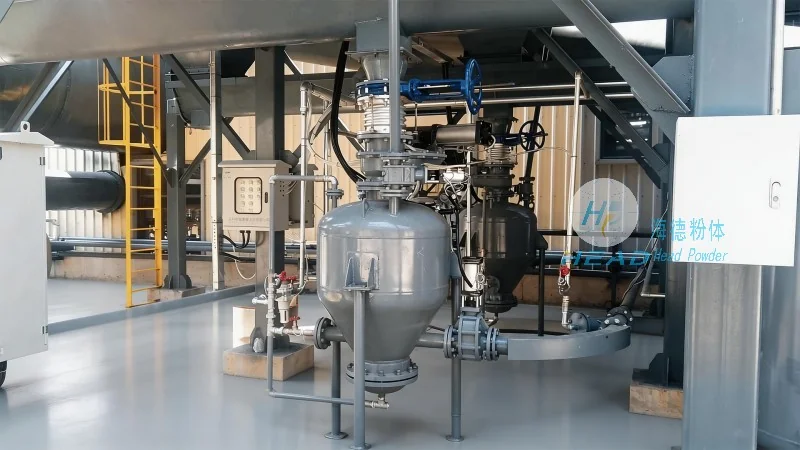
Distinguishing Between Positive and Negative Pressure Grit Transport
When deciding between positive and negative pressure grit transport, several factors should be considered. First, the material properties are a critical factor. If the grit is dense, large, or has a high abrasiveness, a positive pressure system is likely more suitable due to its ability to handle high pressure and force. Conversely, if the material is fine, lightweight, or prone to dust, a negative pressure system may be a better choice due to its energy efficiency and dust control capabilities. Second, the distance and layout of the transport system are important. Positive pressure systems are better for long distances or complex piping, while negative pressure systems are more effective for shorter distances or simpler layouts. Third, the operational costs and maintenance requirements should be evaluated. Positive pressure systems may have higher initial costs and maintenance needs, while negative pressure systems offer lower energy consumption and potentially lower maintenance. Fourth, the environmental and safety considerations are also relevant. Positive pressure systems may require additional dust collection to prevent emissions, while negative pressure systems can help contain dust within the system. By carefully evaluating these factors, you can distinguish between the two methods and choose the most appropriate grit transport solution for your needs.
Choosing the Right Grit Transport System with HeadPowder
At Shandong HeadPowder Engineering Co., Ltd., we specialize in providing high-quality grit transport solutions tailored to your specific requirements. Our team of experts understands the nuances of both positive and negative pressure systems and can help you select the most suitable option for your application. Whether you need a positive pressure system for high-volume transport or a negative pressure system for fine material handling, we offer a range of equipment designed to meet your operational needs. Our products are engineered for durability, efficiency, and reliability, ensuring that your grit transport system operates smoothly and effectively. We also provide maintenance and support services to help you maximize the lifespan of your equipment and minimize downtime. With our commitment to quality and customer satisfaction, HeadPowder is your trusted partner for all your grit transport needs. Contact us today to learn more about our solutions and how we can help you optimize your grit transport operations.