

Choosing Between Positive Pressure and Negative Pressure for Calcium Carbonate Transport: How to Dis
When it comes to transporting calcium carbonate, the choice between positive pressure and negative pressure systems is a critical decision that impacts efficiency, cost, and operational safety. As a leading provider in the field, Shandong HeadPowder Engineering Co., Ltd., based in Shandong, China, understands the nuances of each approach and offers expert guidance to help clients make informed choices.
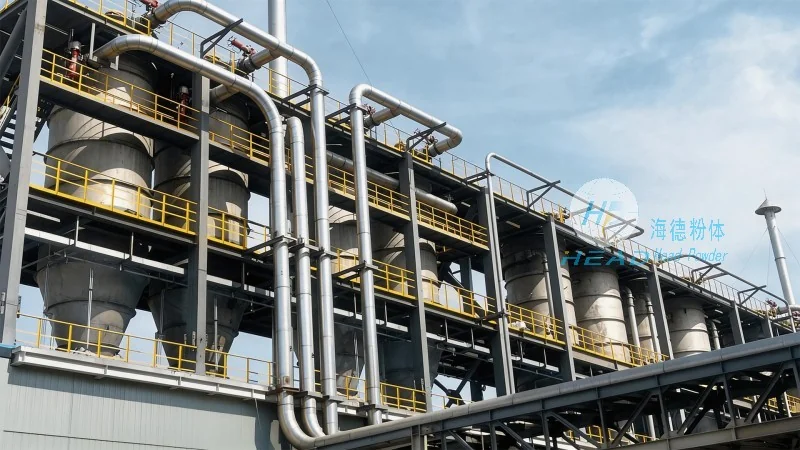
Understanding the Basics of Positive Pressure and Negative Pressure Transport
Positive pressure transport systems operate by forcing material through a pipeline using a compressor or blower. This method ensures a consistent flow rate and can handle materials with higher moisture content or more abrasive properties. The system maintains a positive pressure throughout the pipeline, preventing air ingress and ensuring the material moves efficiently. In contrast, negative pressure transport, also known as vacuum or suction systems, relies on a vacuum pump to draw material into the pipeline. This approach is often more energy-efficient for shorter distances and can be less expensive to install, but it may be less effective for handling highly abrasive or sticky materials.
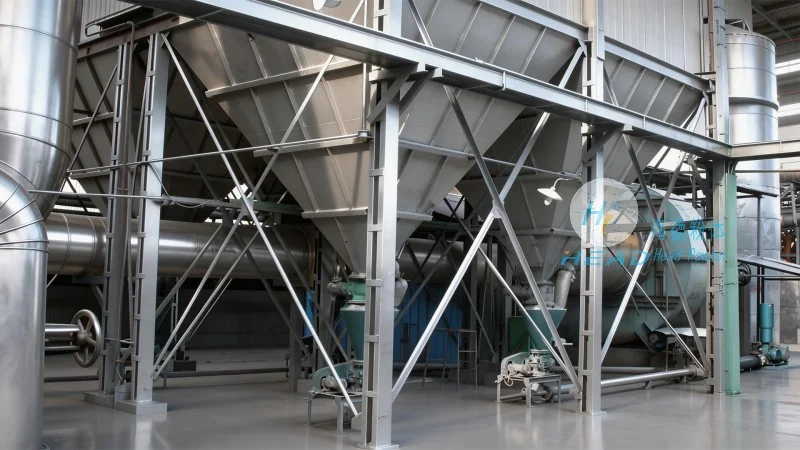
Distinguishing Factors for Selecting the Right Transport Method
Several key factors should be considered when deciding between positive and negative pressure for calcium carbonate transport. The first is the distance and layout of the pipeline. For long-distance or complex layouts, positive pressure systems are generally more reliable due to their ability to maintain consistent pressure and flow. Negative pressure systems are better suited for shorter runs or when the pipeline is relatively straight and simple. Another critical factor is the material's characteristics. If the calcium carbonate is fine and prone to caking or has high moisture content, a positive pressure system with appropriate sealing and moisture control measures may be necessary. Conversely, if the material is less abrasive and the application involves shorter distances, a negative pressure system could offer cost savings.

Equipment and Installation Considerations
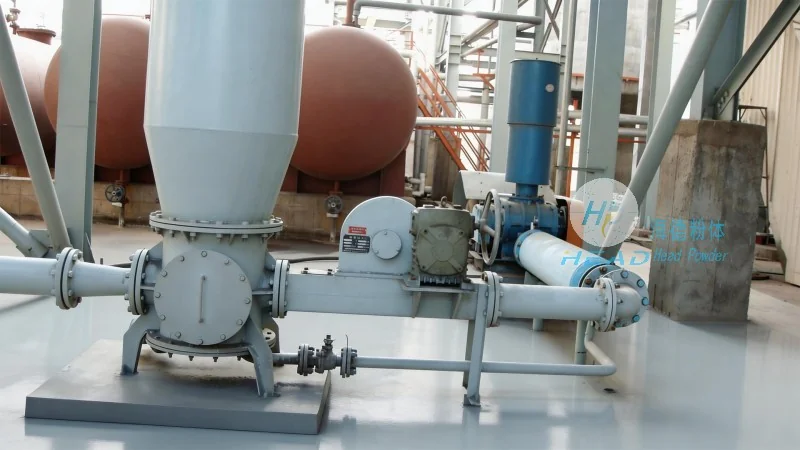
The choice of transport method also influences the equipment required and the installation process. Positive pressure systems typically require robust compressors or blowers, high-quality seals, and possibly air filtration systems to prevent dust contamination. The installation involves ensuring all connections are airtight to maintain pressure and prevent leaks. Negative pressure systems, on the other hand, need vacuum pumps and may include additional components like cyclones or filters to manage dust and prevent clogging. The installation must also address the risk of air leaks, as any ingress of air can disrupt the vacuum and reduce efficiency. Shandong HeadPowder Engineering Co., Ltd. specializes in designing and implementing both types of systems, ensuring that the chosen approach aligns with the specific needs of the application and the site conditions.
Operational Efficiency and Maintenance
Operational efficiency and maintenance requirements are important considerations when evaluating transport systems. Positive pressure systems often have higher energy consumption due to the continuous operation of compressors, but they provide stable performance and can handle variations in material flow. Maintenance involves regular checks of the compressor, seals, and air filtration systems to prevent breakdowns. Negative pressure systems are generally more energy-efficient, especially for short distances, but they may require more frequent maintenance of the vacuum pump and associated components to ensure consistent suction. The choice of system should also consider the availability of skilled personnel for maintenance, as both systems require specialized knowledge to keep them running smoothly.
Conclusion
Choosing between positive pressure and negative pressure for calcium carbonate transport requires a thorough assessment of the application's specific requirements, including distance, material characteristics, and operational constraints. By understanding the fundamental differences and considering factors such as efficiency, maintenance, and cost, businesses can select the most appropriate system for their needs. Shandong HeadPowder Engineering Co., Ltd. provides comprehensive solutions and expert advice to help clients navigate these choices and implement effective calcium carbonate transport systems that enhance productivity and reduce operational risks.