

Choosing Between Positive Pressure and Negative Pressure for Silicon Micropowder Conveying: How to D
When it comes to handling silicon micropowders, selecting the right conveying method is crucial for efficiency, safety, and product integrity. Two primary approaches dominate the industry: positive pressure and negative pressure systems. Understanding the differences and appropriate applications of each is essential for optimizing material handling processes.
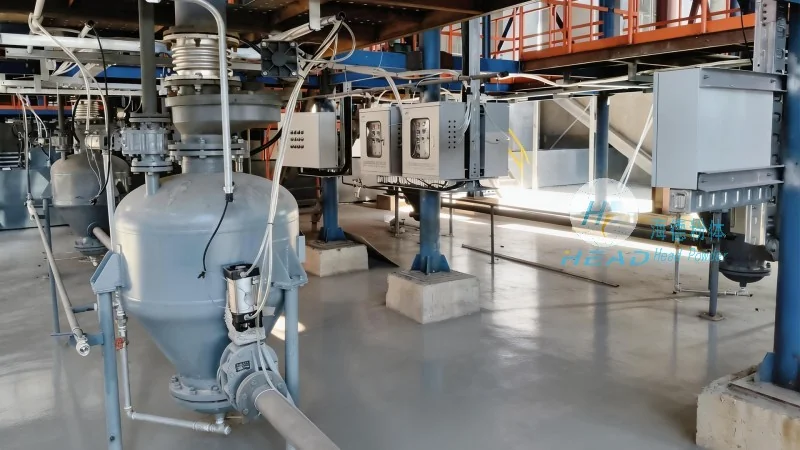
About HeadPowder Engineering
HeadPowder, a leading provider of material handling solutions, specializes in designing and manufacturing systems tailored to the unique needs of silicon micropowder applications. With a focus on innovation and reliability, the company has established itself as a trusted partner in the industry. Based in Shandong, China, HeadPowder Engineering Co., Ltd. leverages years of experience to deliver high-performance conveying solutions that meet the demands of modern manufacturing.
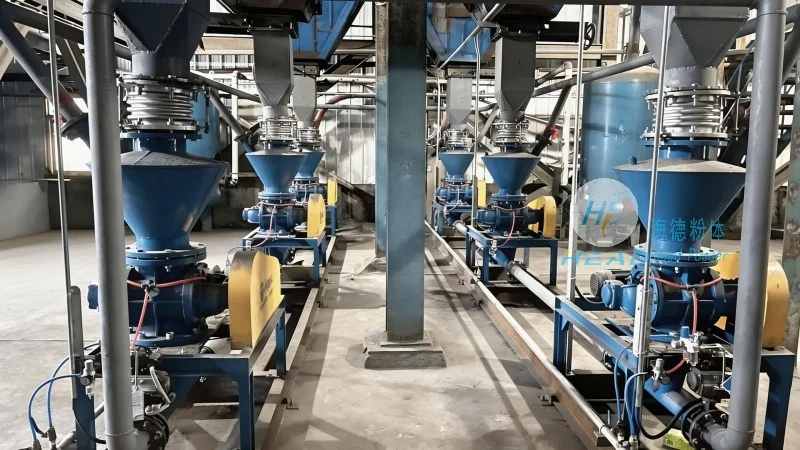
Positive Pressure Conveying Systems
Positive pressure systems operate by forcing air or gas through the material, creating a pressure differential that propels the powder forward. This method is particularly effective for handling fine powders that are prone to caking or bridging. The primary advantage of positive pressure is its ability to maintain consistent flow rates and prevent material buildup in the conveying line. However, it requires robust filtration systems to prevent dust emissions and ensure compliance with environmental regulations. HeadPowder's positive pressure solutions are engineered with advanced filtration technology and durable components, ensuring reliable operation in demanding environments.
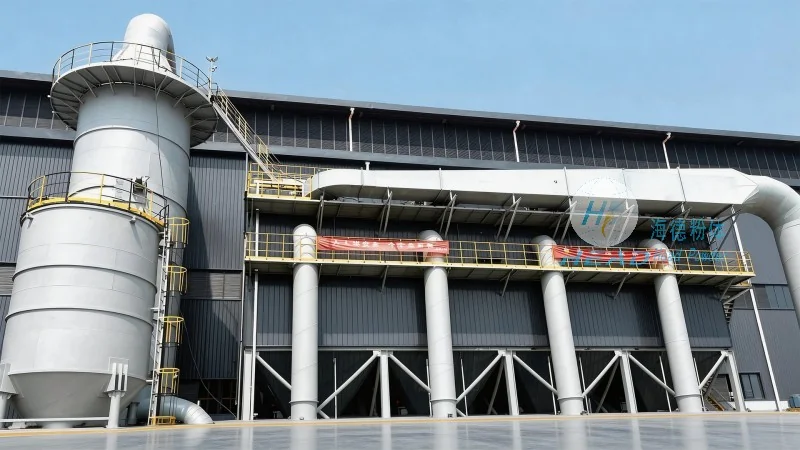
Negative Pressure Conveying Systems
Negative pressure systems, also known as vacuum systems, work by creating a lower pressure zone that draws the powder into the conveying line. This approach is ideal for applications where minimal air disturbance is required, such as in cleanroom environments or when handling sensitive materials. The key benefit of negative pressure is its ability to minimize dust dispersion and maintain a controlled atmosphere. However, it may be less efficient for large volumes of material and can lead to higher energy consumption compared to positive pressure systems. HeadPowder's negative pressure solutions incorporate energy-efficient vacuum pumps and sealed systems to optimize performance while reducing operational costs.
Distinguishing Between Positive and Negative Pressure Conveying
Choosing between positive and negative pressure conveying depends on several factors, including the properties of the silicon micropowder, the required flow rate, and the environmental constraints of the operation. For example, if the powder is hygroscopic or prone to agglomeration, a positive pressure system with gentle agitation may be more suitable. Conversely, if the application demands a cleanroom environment or requires minimal air disturbance, a negative pressure system is preferable. HeadPowder engineers work closely with clients to assess these factors and recommend the most appropriate conveying method, ensuring optimal performance and compliance with industry standards.
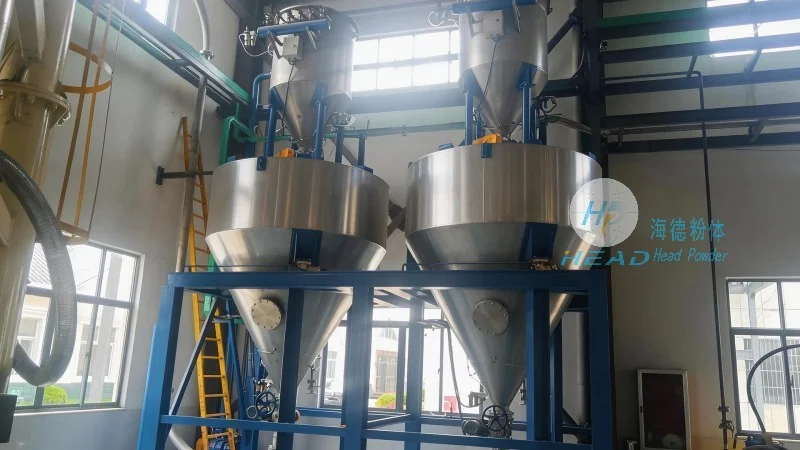
Conclusion
Both positive and negative pressure conveying systems offer distinct advantages for silicon micropowder handling. The choice between them should be based on a thorough evaluation of material characteristics, operational requirements, and environmental considerations. By leveraging the expertise of companies like HeadPowder Engineering, manufacturers can select the most effective conveying solution to enhance productivity, ensure product quality, and maintain safety standards. With a commitment to innovation and customer satisfaction, HeadPowder continues to provide reliable solutions that meet the evolving needs of the silicon micropowder industry.