

[Dust Collection Ash Conveying: Choosing Positive Pressure vs. Negative Pressure - How to Distinguis
In industrial operations, the efficient and reliable transport of dust collection ash is crucial for maintaining system performance and ensuring compliance with environmental regulations. Among the various conveying methods available, the choice between positive pressure and negative pressure systems is a critical decision that impacts operational costs, safety, and overall system longevity. This article explores the key differences between positive pressure and negative pressure dust collection ash conveying systems, providing insights to help industrial facilities make informed decisions when selecting the most suitable method for their specific needs.
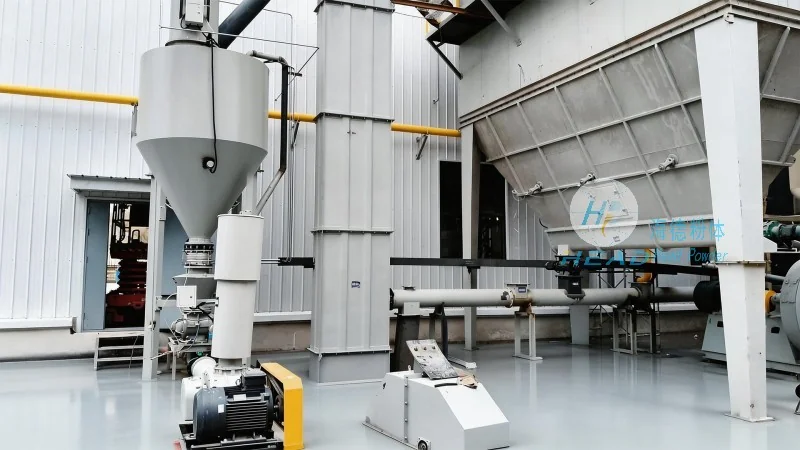
Understanding Positive Pressure Conveying Systems
Positive pressure conveying systems operate by blowing air or gas through the conveying line, creating a pressure higher than the ambient air pressure. This method propels the material forward through the pipeline. A key advantage of positive pressure systems is their ability to handle abrasive and corrosive materials effectively, as the high-pressure air can maintain the material's flow without causing excessive wear on the system components. Additionally, positive pressure systems are generally more suitable for conveying materials over longer distances, as the pressurized air provides consistent momentum to move the material through the pipeline. However, these systems may require more robust filtration and safety measures to prevent dust leakage and ensure operator safety, as the high-pressure air can escape if the system is not properly sealed.
Key Features of Positive Pressure Conveying
Positive pressure systems typically utilize high-pressure blowers or compressors to generate the necessary air pressure. The material is often mixed with the air in a hopper or feeder, and the mixture is then forced through the conveying line. This method is particularly effective for handling fine powders and granular materials, as the air helps to keep the material suspended and moving. The system design often includes features such as pulse-jet filters to maintain air quality and prevent dust accumulation in the pipeline. Furthermore, positive pressure systems can be equipped with variable speed drives to adjust the conveying rate based on the material's characteristics and the distance to be covered.
Applications of Positive Pressure Conveying
Positive pressure conveying is commonly used in industries such as cement production, coal handling, and chemical processing, where materials need to be transported over long distances or through complex piping networks. For example, in cement plants, positive pressure systems are used to transport raw materials and finished products from storage silos to processing units. In coal-fired power plants, these systems are employed to convey ash from the boiler to disposal or recycling facilities. The ability to handle abrasive materials and maintain consistent flow over extended distances makes positive pressure systems a preferred choice in such applications.
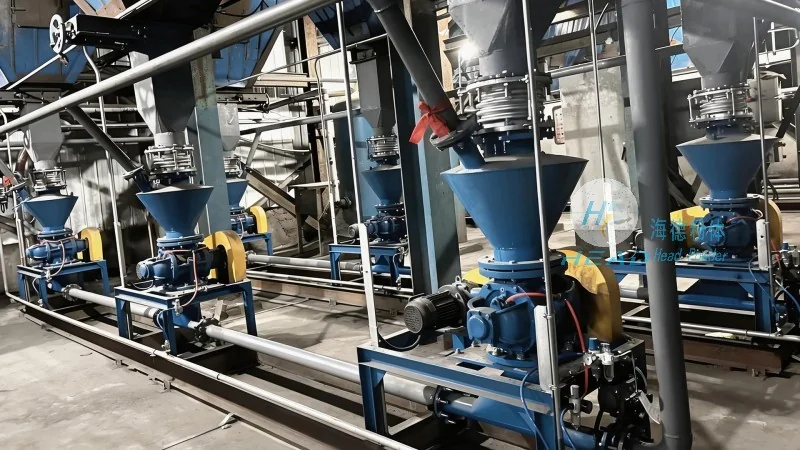
Understanding Negative Pressure Conveying Systems
Negative pressure conveying systems, also known as vacuum or suction systems, operate by creating a vacuum in the conveying line, which draws the material into the system. The air and material mixture is then transported to the destination, where the material is separated from the air. Unlike positive pressure systems, negative pressure systems do not use high-pressure air to force the material forward, but rather rely on the vacuum to pull the material into the pipeline. A primary advantage of negative pressure systems is their lower operational noise levels and reduced energy consumption, as they typically require less power to operate compared to positive pressure systems. Additionally, these systems are often more compact and easier to install, as they do not require high-pressure components or extensive piping networks.
Key Features of Negative Pressure Conveying
Negative pressure systems utilize vacuum pumps or fans to create the necessary suction. The material is drawn into the system through a hopper or feeder, and the air-material mixture is then conveyed through the pipeline. The system design often includes features such as cyclone separators or bag filters to separate the material from the air at the destination. This method is particularly effective for handling light and fine materials, as the vacuum helps to maintain the material's flow without requiring high air velocities. The system can be equipped with adjustable suction controls to optimize the conveying rate based on the material's density and the distance to be covered.
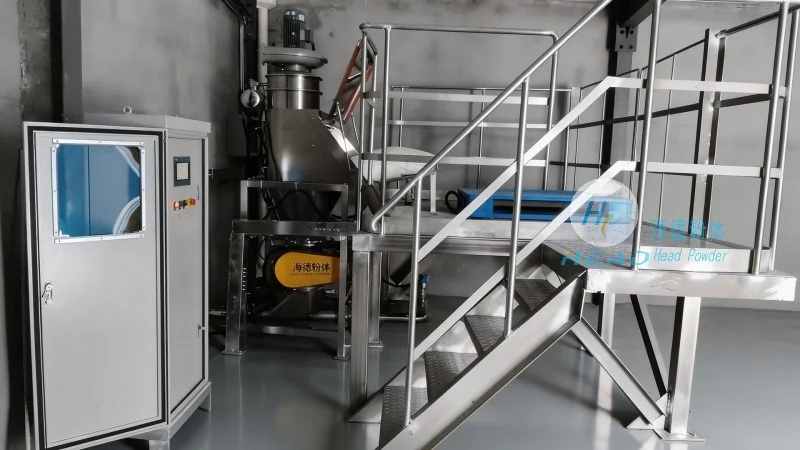
Applications of Negative Pressure Conveying
Negative pressure conveying is commonly used in industries such as pharmaceuticals, food processing, and recycling, where materials need to be transported in a clean and dust-free environment. For example, in pharmaceutical manufacturing, negative pressure systems are used to transport powders and granules from processing units to storage silos, ensuring that the materials remain free from contamination. In food processing facilities, these systems are employed to convey flour, sugar, and other fine ingredients, maintaining the quality and safety of the products. The ability to handle light materials and maintain a clean environment makes negative pressure systems a preferred choice in such applications.
Distinguishing Between Positive and Negative Pressure Systems
When deciding between positive and negative pressure conveying systems, several factors should be considered. The first factor is the material being conveyed: abrasive or corrosive materials may require the higher pressure and robust design of positive pressure systems, while light or fine materials may be better suited for negative pressure systems. The second factor is the distance and complexity of the conveying route: longer distances or complex piping networks often necessitate positive pressure systems due to their ability to maintain consistent flow over extended periods. The third factor is operational considerations, including energy consumption, noise levels, and safety requirements. Positive pressure systems may require more energy and have higher noise levels, while negative pressure systems are generally more energy-efficient and quieter. Finally, the specific application and industry standards should be taken into account, as some industries may have regulations or best practices that favor one system over the other.
Conclusion
Choosing between positive pressure and negative pressure dust collection ash conveying systems is a critical decision that impacts the efficiency, safety, and cost-effectiveness of industrial operations. Positive pressure systems offer advantages in handling abrasive materials and conveying over long distances, while negative pressure systems excel in energy efficiency, noise reduction, and handling light materials. By carefully evaluating the material characteristics, conveying distance, operational requirements, and industry standards, industrial facilities can select the most suitable system to ensure reliable and efficient dust collection ash transport. For further guidance on selecting the appropriate conveying system, Shandong HeadPowder Engineering Co., Ltd. provides expert consultation and customized solutions tailored to the specific needs of industrial clients.